ALLPCB


Three core characteristics of virtual reality systems
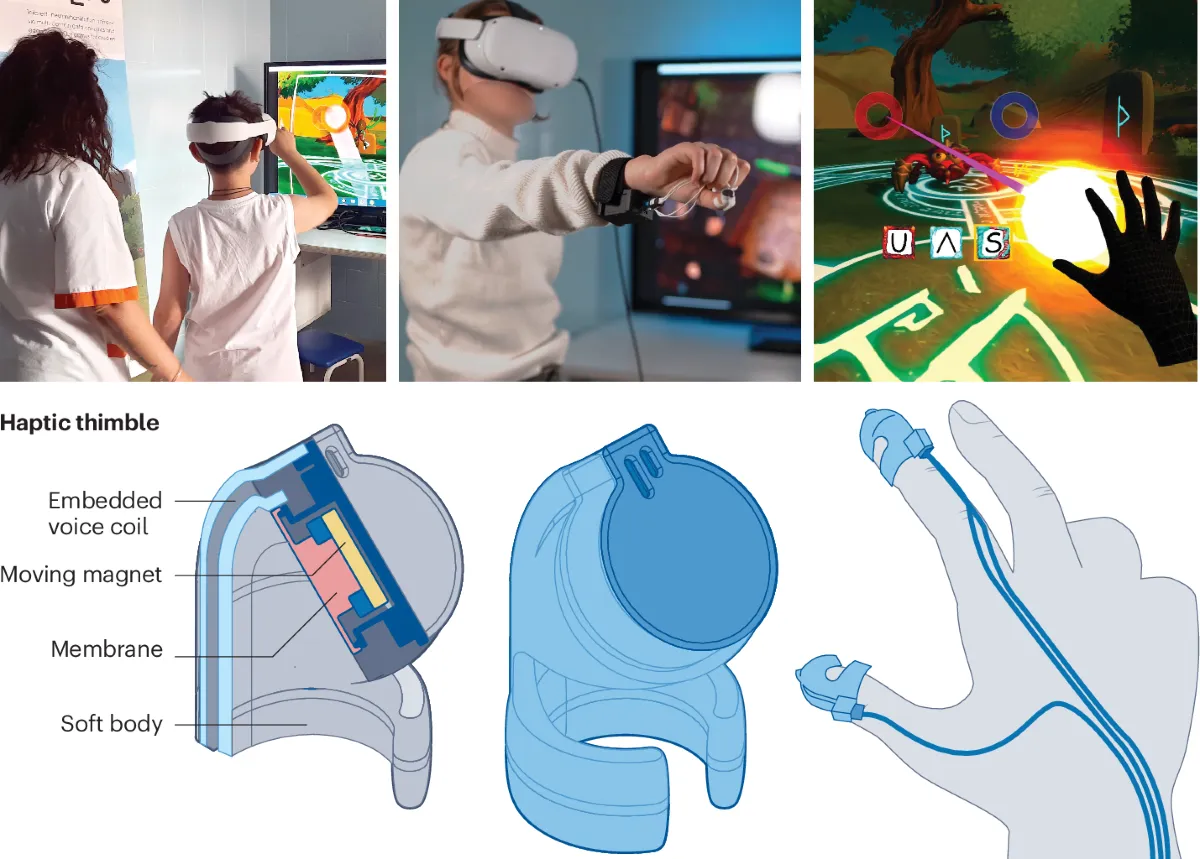
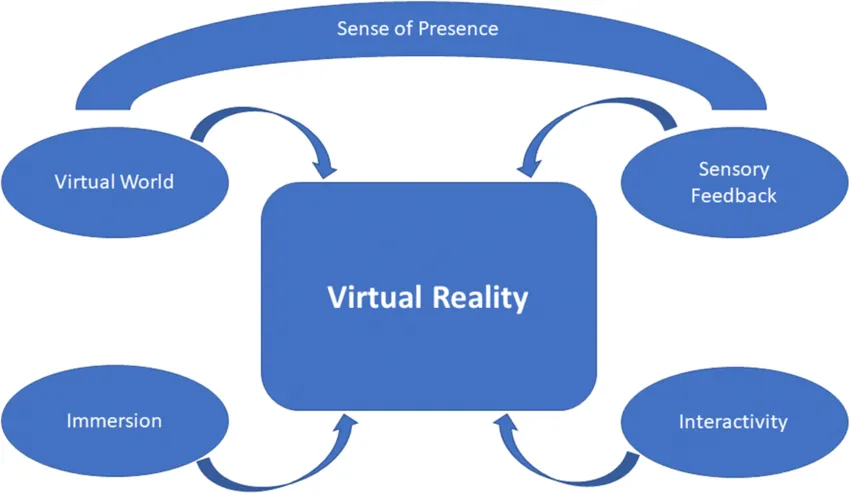
From a technical perspective, virtual reality systems have three basic characteristics: the three "I"s — immersion, interaction, and imagination — which emphasize the central role of the human user. Previously, people could only observe the outputs of computer systems from the outside; now they can be immersed in environments created by those systems. Interaction has evolved from using a keyboard and mouse with one-dimensional digital information to interacting with multidimensional information environments through various sensors. Understanding has evolved from mainly quantitative computation to integrated qualitative and quantitative perception and reasoning, which can deepen concepts and inspire new ideas. In future virtual systems, the objective is for the information processing system composed of computers and other sensors to better meet human needs.
Principles behind VR immersion and interaction
Historically, virtual content was presented on flat displays. Earlier virtual-reality setups often used flat screens or projected images onto curved or spherical screens, and sometimes overlapped separate left-eye and right-eye images to create a stereo effect.
Those systems were typically large and expensive.
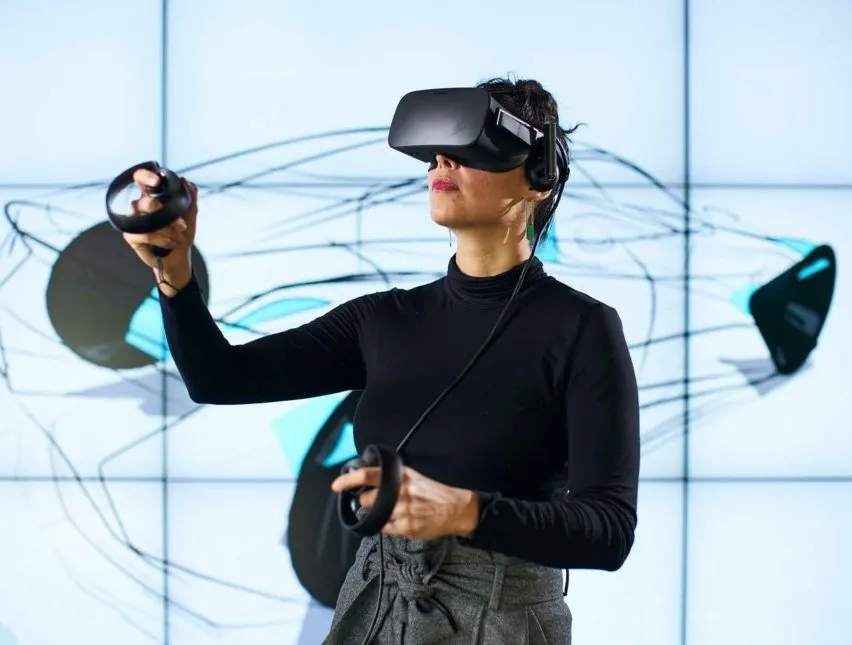
Recent head-mounted VR displays achieve stronger immersion and lower cost. A mainstream VR headset package currently costs less than 10,000 RMB.
How modern VR headsets create immersion
Modern VR headsets create immersion primarily through three mechanisms:
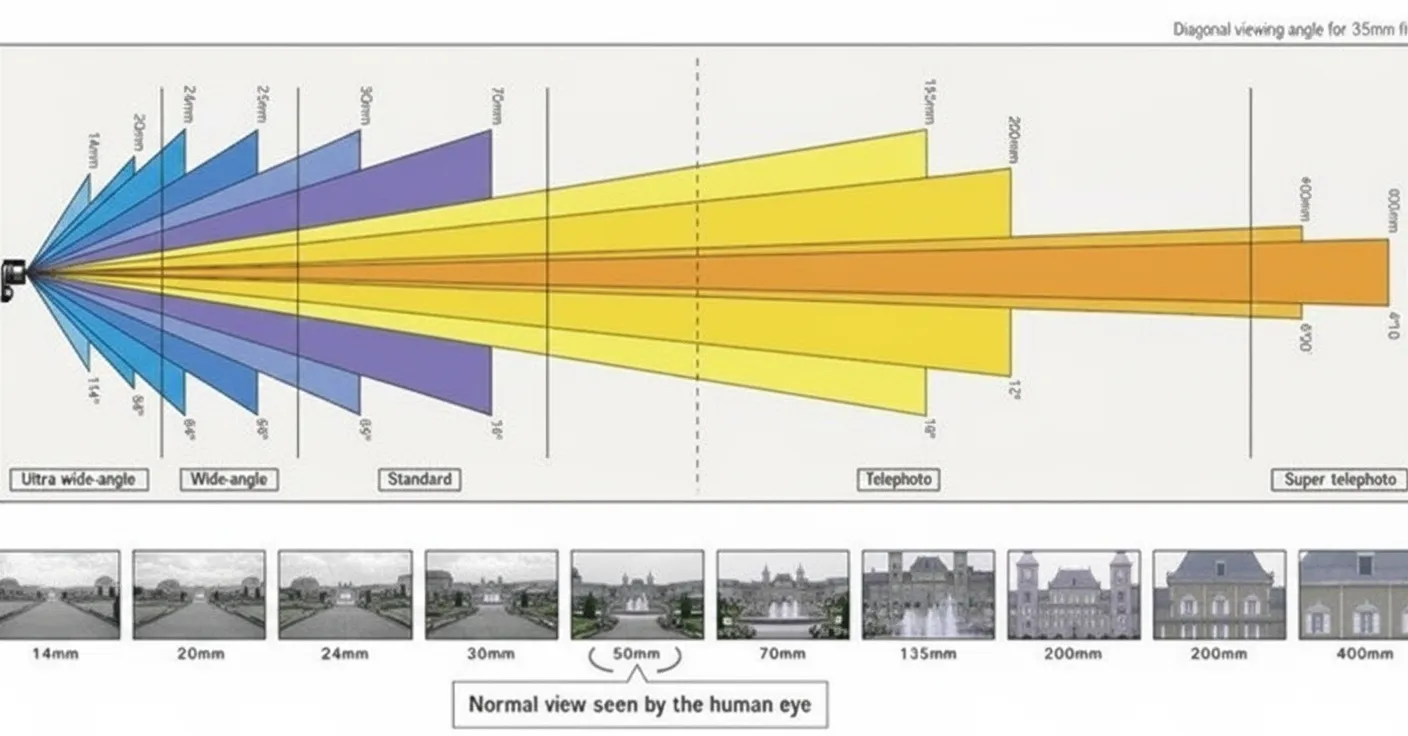
1. Optical magnification. Lenses enlarge the instantaneous image seen by the eye, producing a field of view around 90–120 degrees. This is comparable to a good three-channel wraparound projection system, but headsets sit closer to the eyes and reduce external interference.
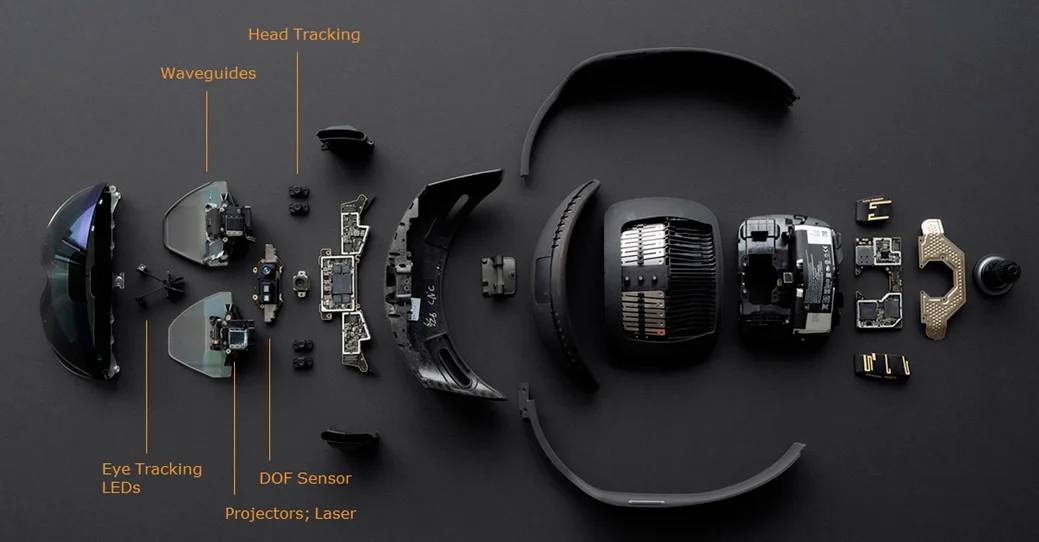
2. Head tracking. A head-mounted gyroscope informs the rendering engine when the user turns their head, allowing the scene to update in real time. This creates the sensation of being inside a surrounding virtual space and enables a 360-degree spatial experience.
3. Stereoscopic rendering. Each eye receives a different image corresponding to its viewpoint, producing a strong sense of depth and three-dimensionality.
These three factors explain the immersion characteristics and interaction principles of VR headsets and may be useful to designers.