ALLPCB


Overview
Mobile VR today is less likely to cause nausea than early systems. It still does not match the image quality of high-end headsets such as Oculus Rift or PSVR, but rapid technical progress has enabled removal of tethering cables and renewed focus on full 6-degree-of-freedom (6DoF) motion in the Chinese market.
Room-scale freedom of movement made systems like HTC Vive attractive, but the tracking method they use is not optimal for every scenario. Oculus is developing inside-out tracking to enable untethered mobility; their Santa Cruz prototype was demonstrated at OC3 last year.
You have probably heard the terms inside-out and outside-in tracking. What are the concrete advantages and disadvantages of each, and which approach is likely to dominate in the next decade?
1. Outside-In Tracking
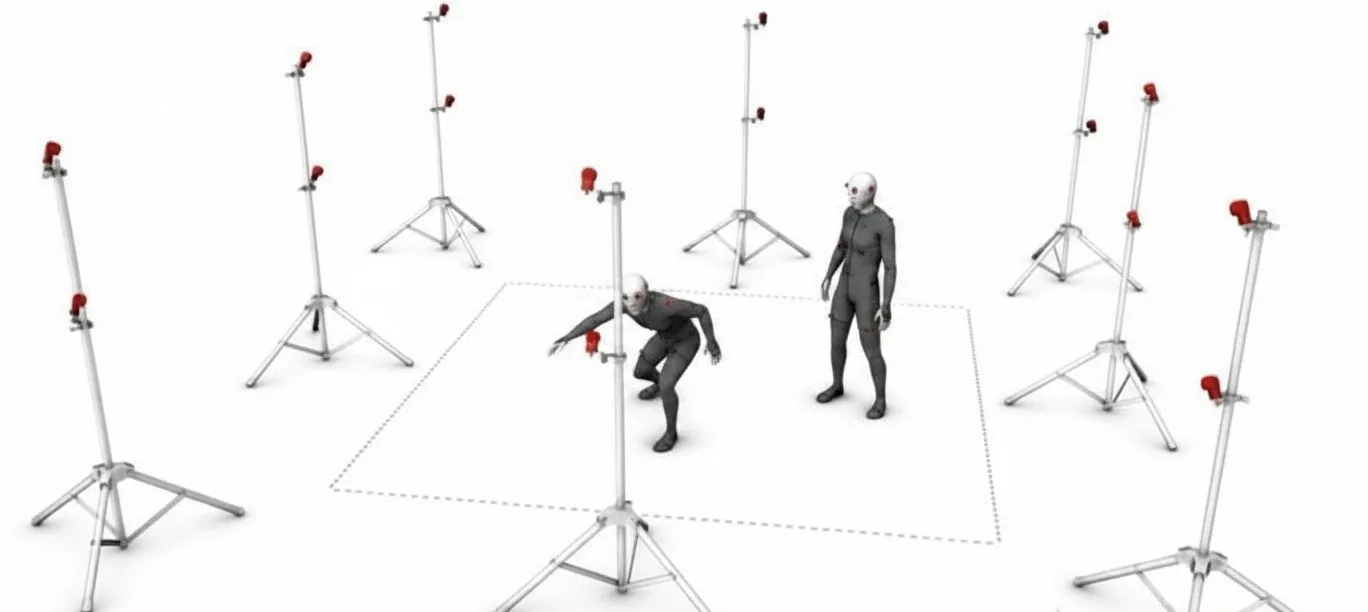
Outside-in tracking is used by the three major consumer systems: Oculus Rift, HTC Vive, and PSVR. In this approach, the headset and accessories are tracked by external devices. Vive relies on Steam Lighthouse, while Oculus Rift uses external sensors that resemble small microphones. PSVR uses a similar external-sensor model.
External sensors are placed at different locations in the room and determine the headset position relative to the environment. High-end systems commonly use this setup, and some mobile VR experiments have also explored outside-in solutions.
Advantages
- Outside-in systems are fixed relative to the room and currently provide the highest accuracy. Additional trackers can be added to increase precision.
- Latency is generally lower in outside-in tracking, which helps reduce motion sickness. Unless other approaches achieve similar tracking quality, outside-in tracking will remain the most robust solution. This makes it advantageous even for some mobile VR use cases.
Disadvantages
- Occlusion is a major limitation. If you move behind a sofa or tall plant and out of the line of sight of the sensors, the system may lose track of your position. Sensors must be able to cover you from multiple angles to maintain continuous tracking.
- Sensor range is another constraint. Unlike inside-out systems, you must remain within the sensors' field of view. Exiting that range breaks immersion, especially in setups with limited tracking space.
2. Inside-Out Tracking
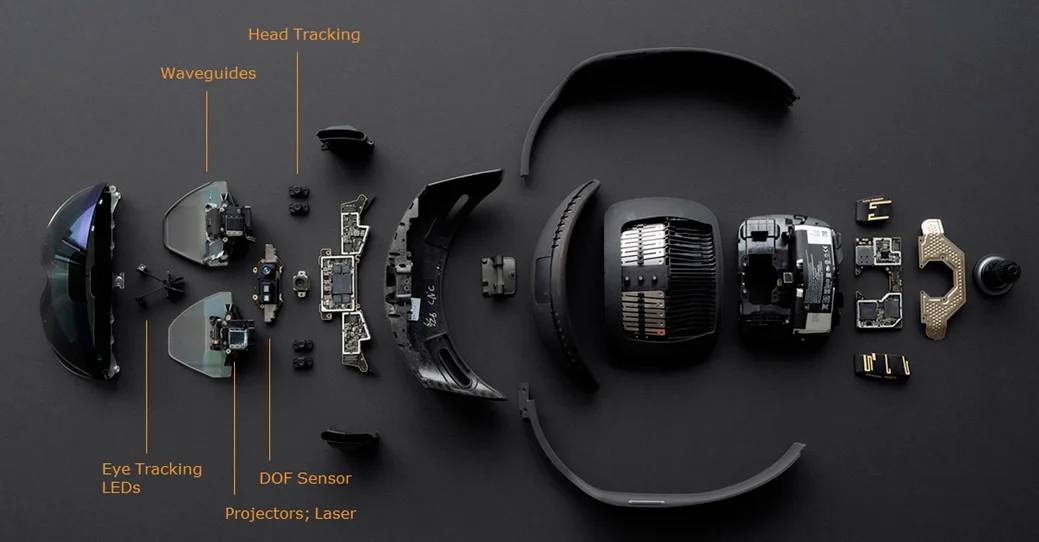
Inside-out tracking places trackers on the device itself so they can detect changes in relation to the external environment. As the headset moves, sensors update coordinates within the room, making it appear that the user is moving within the virtual scene. Inside-out tracking can be marker-based or markerless. Some headsets operate freely without external markers, while other demonstrations, such as Valve's demo room, used numerous wall markers to aid tracking.
Several companies now offer compelling inside-out solutions, including Qualcomm's Snapdragon 835 reference headset. Eonite demonstrated an inside-out approach by attaching a sensor to an HTC Vive headset; although that demo still used a cable to a computer, it allowed room-scale movement without external trackers. Microsoft is a prominent example: HoloLens and forthcoming Windows Mixed Reality headsets, including Acer's mixed reality units, integrate inside-out tracking.