ALLPCB


The research and development of virtual reality trace back to the 1960s. Progress over the following decades in computer graphics, human-computer interface technologies, image processing and pattern recognition, multi-sensor technology, speech processing and audio technologies, high-performance computer systems, and artificial intelligence laid the foundation for the virtual reality industry.
Recent industry developments
In 2014 Facebook acquired Oculus for $2 billion. Oculus has been a leading company in the VR sector and planned a consumer Oculus Rift headset targeted for early 2016. Sony, a major player in 3D headsets, planned to release PlayStation VR in the first half of 2016 for use with PS4, with nearly 20 games expected at launch.
Samsung and Facebook collaborated on a new Gear VR headset that connects a smartphone to the headset via a Micro USB interface. Google has released an affordable Cardboard headset for Android devices. Facebook and others continue research on dedicated VR headsets such as Oculus Rift.
What do VR, AR, MR and CR mean?
VR (Virtual Reality)
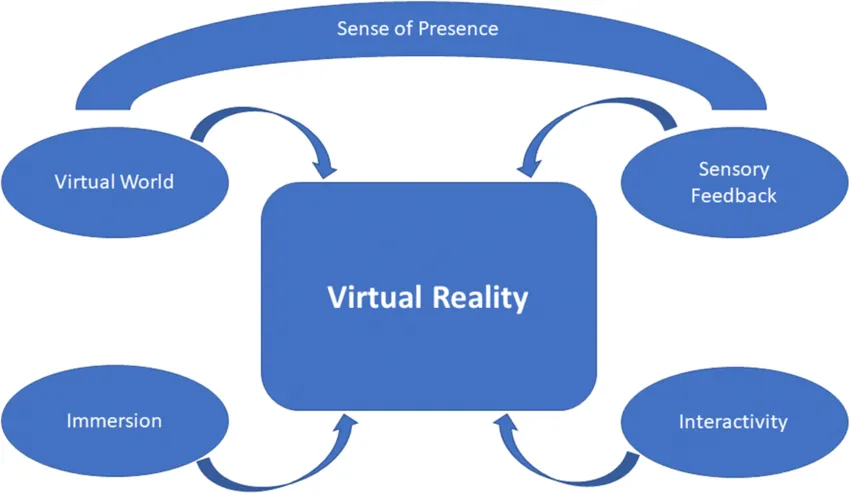
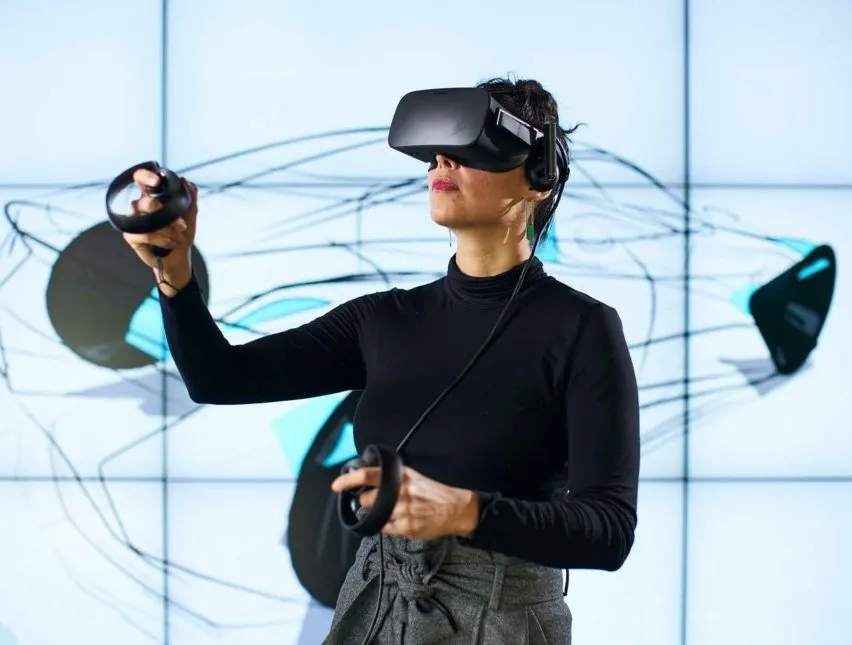
Virtual reality immerses the user in a fully virtual environment to deliver a sense of presence. Content can include films, sports, landscapes, news, and interactive experiences such as VR games that track movement, gait, eye position, and posture.
Consumer VR devices can be grouped into three categories: PC-tethered headsets (for example, Oculus Rift, not yet consumer-ready at the time of reporting), smartphone-based viewers such as Baofeng Mojing and Cardboard, and standalone all-in-one VR headsets that do not require a PC or phone. There are also professional VR content production devices such as the Nokia OZO.
VR remains at an early stage; challenges include limited content and applications, comfort of wear, and human-machine interaction.
AR (Augmented Reality)
While VR provides a 100% virtual world, augmented reality overlays digital information onto the physical world to help users explore and interact with real-world objects.
A classic AR example is Google Glass. A comparable product in the Chinese market is Baidu Eye. For example, when you look at a restaurant, AR can retrieve and display relevant information in real time. AR requires real-time interaction with the physical environment; post-processing of photos (for example, image search or Photoshop edits after taking a photo) does not qualify as AR. As device compute capability, image processing, and network connectivity improve, AR applications will become more widespread.
Differences between VR and AR
In short, virtual reality (VR) replaces the user's sensory environment with a fully virtual scene, whereas augmented reality (AR) mixes virtual information into the real world so that part of what you see is real and part is virtual.
Interaction differences
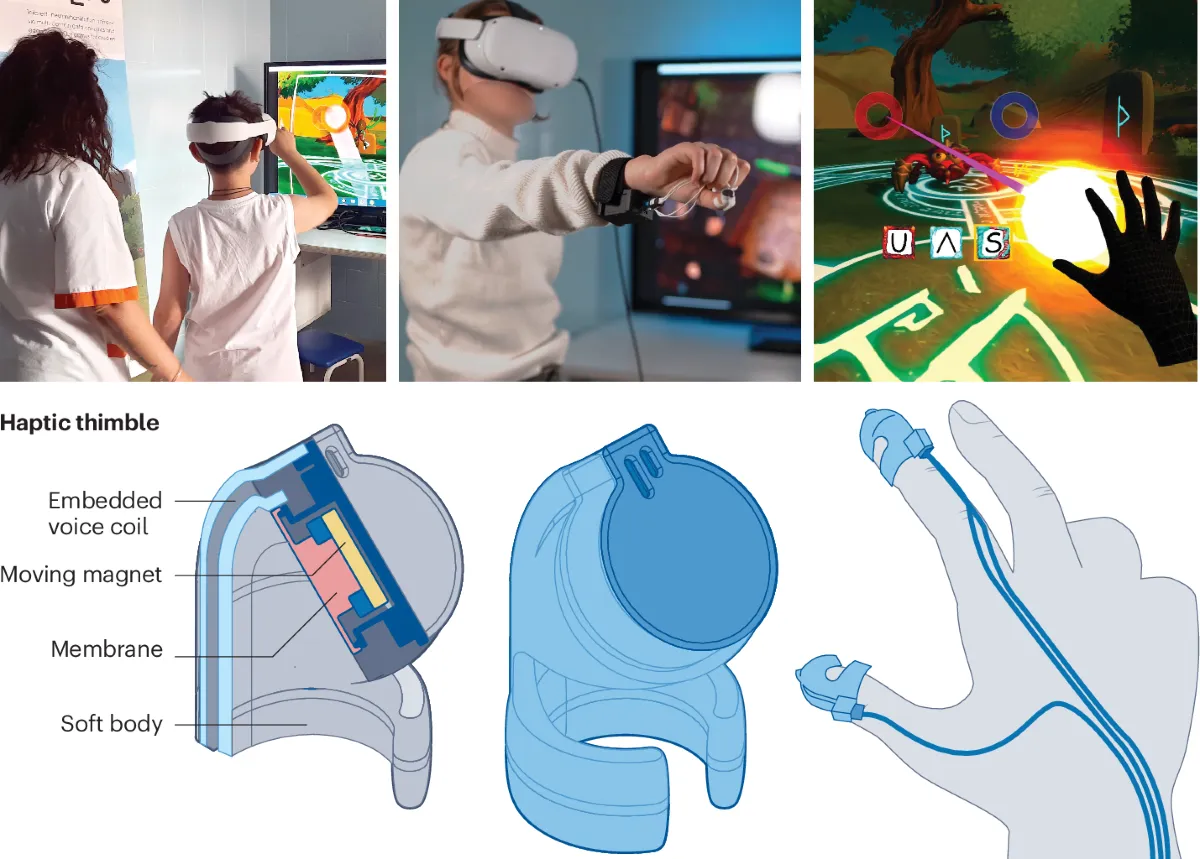
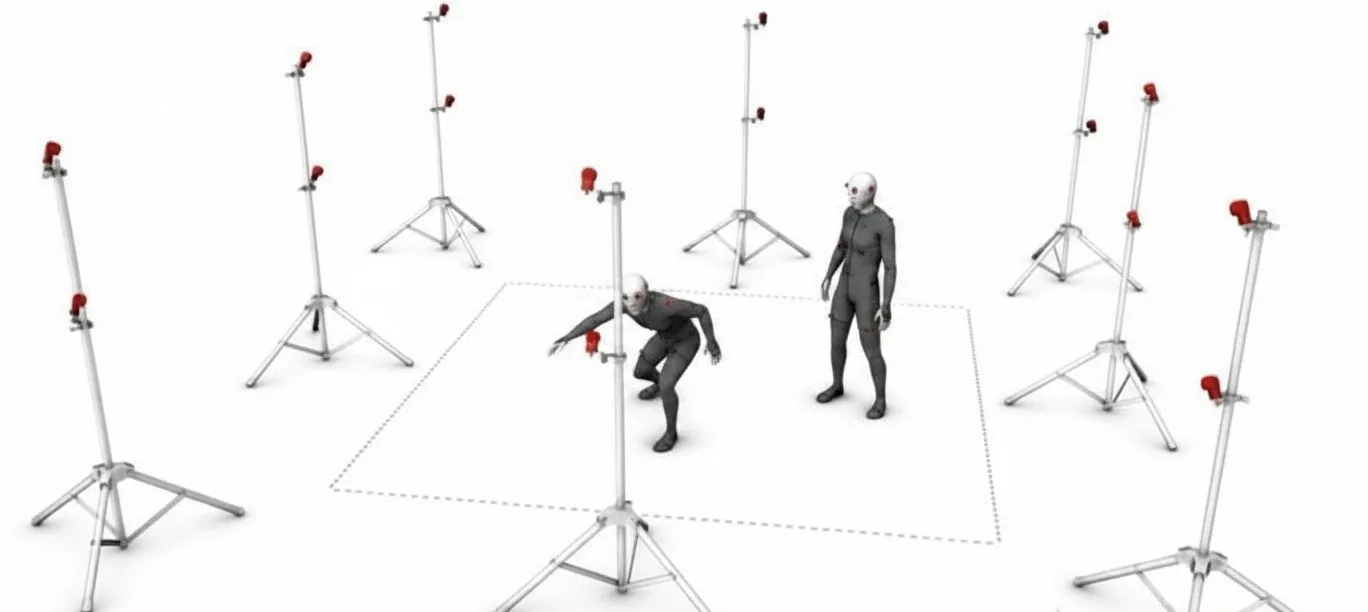
VR devices are designed for interaction within a fully virtual environment. Typical inputs and peripherals include position trackers, data gloves, motion-capture systems, and head-mounted displays.
AR devices usually rely on cameras to capture the real scene and overlay virtual elements on top of that live feed. Devices such as Google Glass, tablets, or smartphones with cameras can be used for AR by installing AR software.
Technical differences
VR content creation is similar to game development: building virtual scenes for users to experience, relying heavily on graphics technologies. VR focuses on whether the virtual environment delivers a compelling experience and is often immersive, with examples like Oculus Rift.
AR uses many computer vision techniques. AR devices emphasize reconstructing human visual perception, such as automatic object recognition and tracking, autonomous tracking and real-time 3D modeling of the surrounding scene, rather than manual modeling. Typical AR platforms include ordinary mobile phones and advanced projects like Google Project Tango.
MR (Mixed Reality)
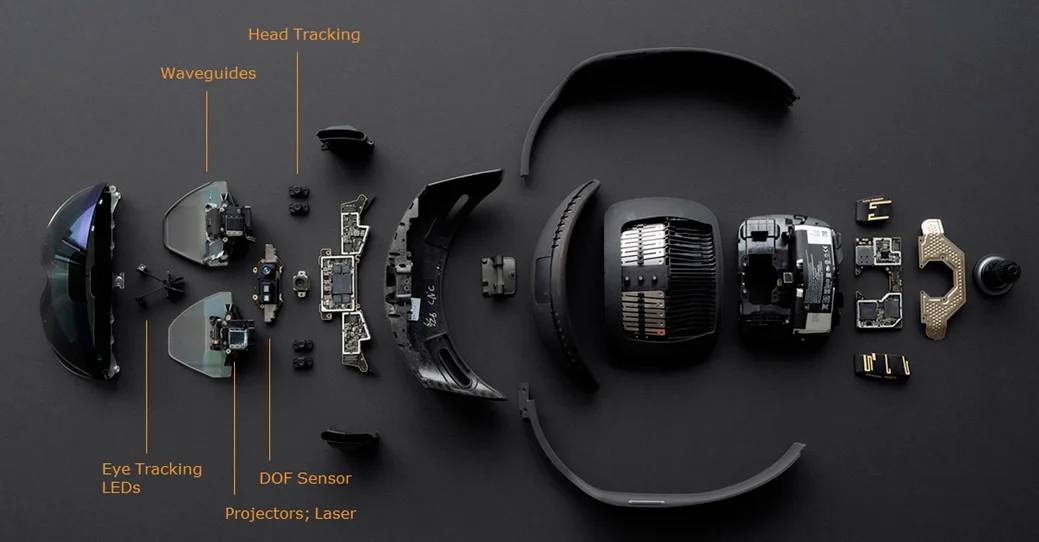
Strictly speaking, devices like Microsoft HoloLens are not purely AR devices because they do more than augment reality. Functionally, HoloLens combines aspects of both VR and AR. You could use it for product design where some components may exist in the physical environment and others are purely virtual. You could also play a game where your living room becomes the game map with virtual elements integrated into that space.
MR provides a blended environment: with advanced digital simulation technologies (display, audio, haptics), users may not perceive a clear boundary between real and virtual elements. MR therefore has significant scope for imagination because it can digitize the physical world in real time while encompassing VR and AR capabilities. Reports indicated a developer version of HoloLens planned for the first quarter of 2016 with a price around $3,000.
CR (Cinematic Reality)
Cinematic Reality is a term introduced by Magic Leap to emphasize differences from VR and AR. The concept is similar to MR in that it blurs the boundary between physical and virtual worlds and targets similar tasks, scenarios, and content.
The distinguishing idea proposed by Magic Leap is the use of light-field or retinal projection techniques to project images directly onto the user's retina from multiple angles, aiming to "trick" the brain into perceiving more realistic imagery. This approach differs from screen-based projection and is intended to address issues such as narrow field of view or motion sickness. Fundamentally, CR can be seen as an alternative implementation approach to MR.
Investment interest in Magic Leap highlights the perceived importance of retinal projection techniques, but timelines for broad availability remained uncertain.