ALLPCB


Overview
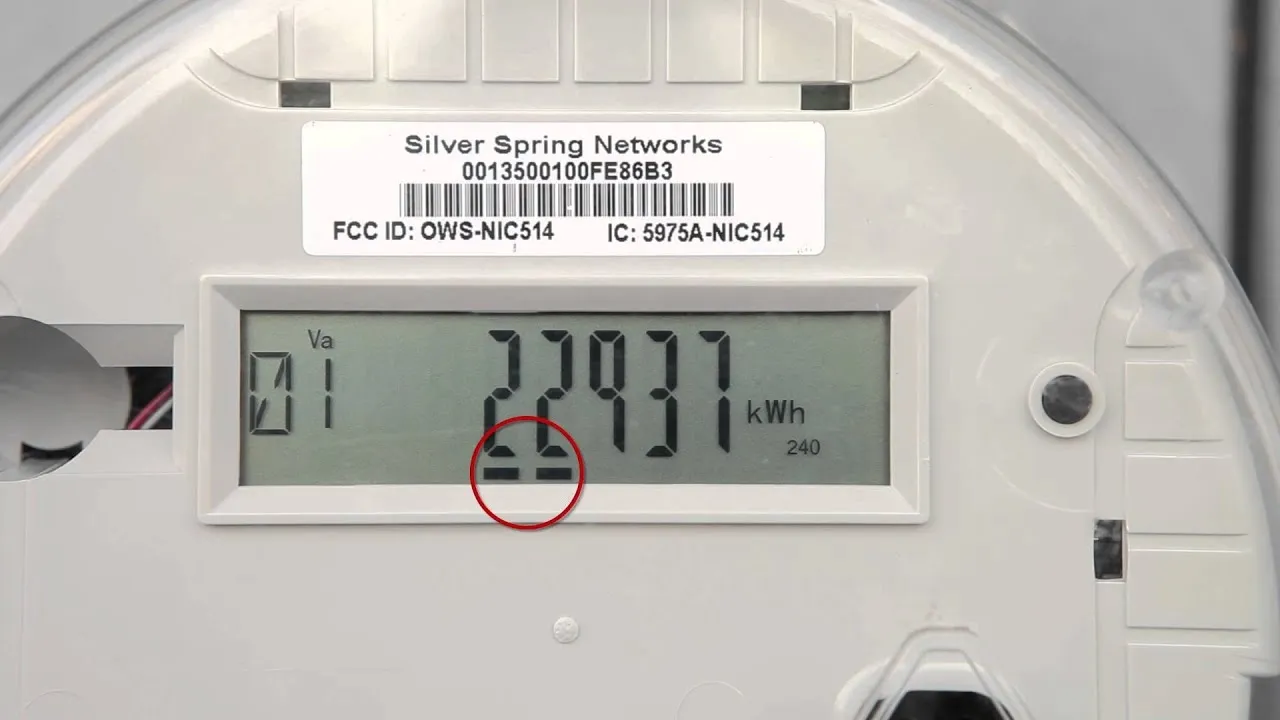
A smart electricity meter is the intelligent terminal of the smart grid. It is no longer a conventional electromechanical energy meter. In addition to basic consumption measurement, a smart meter supports bidirectional multi-tariff metering, customer-side control functions, multiple data transmission modes for bidirectional data communication, anti-tampering features, and other intelligent capabilities to accommodate the smart grid and new energy integration. Smart meters represent the development direction of intelligent endpoints for energy-efficient smart grids.
Earlier smart meters required users to top up a prepaid IC card and insert it into the meter to enable power; when the stored energy was depleted, the meter would trip and disconnect the supply. Newer smart meters support online electricity purchases similar to mobile phone top-ups. Electronic smart meters, developed in recent years on the basis of electronic meters, differ significantly from traditional induction meters in structure and operating principle. An electronic smart meter is mainly composed of electronic components. Its operation begins with real-time sampling of the supply voltage and current, then uses a dedicated energy metering integrated circuit to process the sampled voltage and current signals and convert them into pulses proportional to energy. These pulses are processed and controlled by a microcontroller, which displays the consumption.
A smart energy meter uses a shunt or current transformer to convert the current signal into a small signal suitable for electronic measurement, and a voltage divider resistor or voltage transformer to convert the voltage signal similarly. A dedicated energy-measurement chip converts the analog signals from the voltage and current sensors into digital signals and performs numerical integration. The chip then outputs pulses whose frequency is proportional to energy. These pulses are sent to a microcomputer for processing and are shown on an LCD.
Main Components
- Power module: supplies operating power to the meter.
- Metering module: samples voltage and current and, via a metering chip, converts them into digital energy data (energy pulses).
- Display module: shows consumption and related data.
- Communication module: handles data exchange with the host system.
- Security module: ensures secure data transmission.
- Clock module: provides a real-time clock for the system, used for energy locking and tariff switching.
- Storage module: stores meter parameters, energy consumption, and historical data.
- Power switch module: controls disconnection and reconnection of supply to the user.