ALLPCB


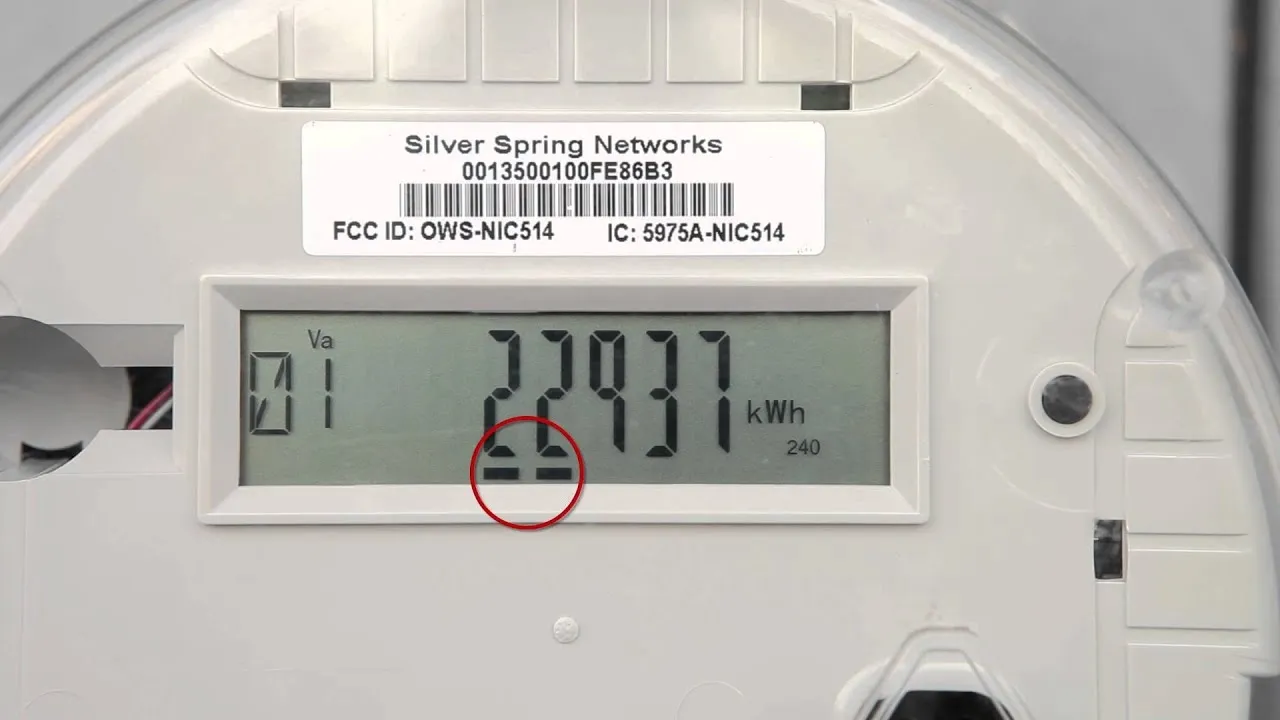
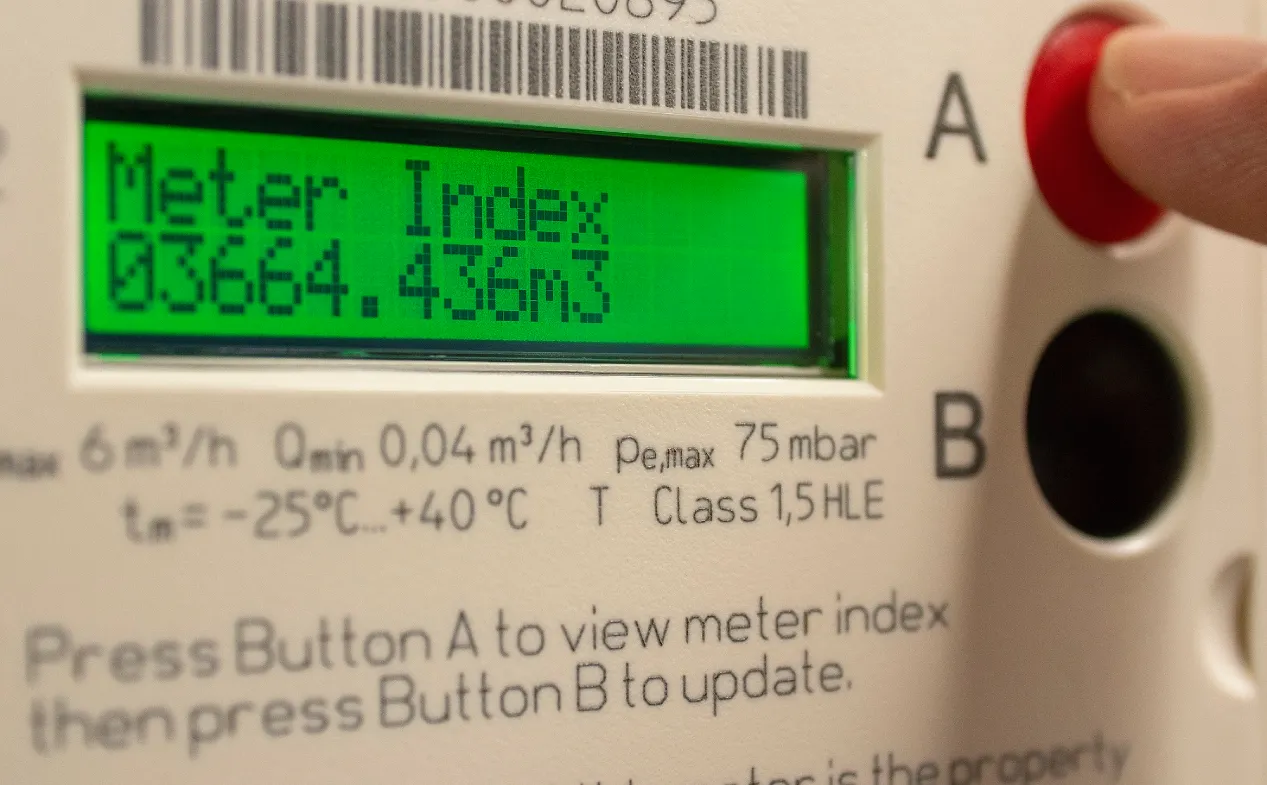
A smart meter is an intelligent terminal of the smart grid. In addition to the basic energy metering functions of a conventional electricity meter, it supports bidirectional multi-tariff metering, customer-side control functions, multiple data transmission modes for two-way communication, and anti-tampering features. Smart meters represent the direction of end-user devices for energy-efficient, automated grids.
Installation and wiring of a smart meter should be performed by qualified personnel, and is typically handled by the power company or its designated electricity retailer. The basic steps are described below.
Installation steps
- Mounting the enclosure: Select a suitable location for the meter enclosure and determine the mounting height and position. The enclosure should be located outdoors or in a sheltered, well-ventilated area.
- Installing the meter: Secure the smart meter in the enclosure and connect it to the appropriate power supply or meter junction box according to local service configuration.
- Wiring: Connect the conductors to the meter's main terminals and to each phase (A, B, C) and the neutral. This step must be carried out by trained personnel. Pay attention to insulation, waterproofing, and proper installation of the junction box and cable routing.
- Network connection: If networked operation is required, connect the smart meter to the grid management system so meter data can be transmitted via signal communication to the grid management platform for data collection, management, and maintenance.
- Maintenance and management: After installation, continuously monitor and maintain the meter. Replace batteries at regular intervals and perform software maintenance and updates as needed to ensure normal operation and accurate data transmission.
Recommended operation procedures
- A smart meter only recognizes its specific power card. When inserting a purchased card, verify that the meter is the correct one to avoid inserting the card into the wrong meter. A simple check is to turn off the switch inside the meter box: if household power is interrupted, the meter is the correct one.
- For meter replacements, the power supplier may provide a preset electricity amount so consumption can begin immediately after connection. During this period, users should complete account registration and purchase electricity at the power company sales outlet. The preset amount will be deducted automatically on the first purchase.
- After purchasing electricity, insert the power card into the meter to recharge. Insert the card in the direction indicated by the arrow and keep it inserted for at least 15 seconds to ensure the card is read properly. Remove the card only after the meter indicates a successful read.
- After a power interruption, parts of the meter's metering circuitry may remain energized. Any work on live components must be carried out by a qualified electrician and appropriate safety precautions taken. Card insertion should be performed by an adult to reduce the risk of electric shock.
- Keep the power card in good condition: avoid bending, contamination, soaking, exposure to high temperature or humidity, and strong magnetic fields. If a power card is demagnetized or lost, report it to the power supplier to arrange a replacement.
In summary, smart meter installation and wiring must ensure safety and reliability and should be performed by qualified personnel in accordance with relevant standards. End users should follow applicable electricity regulations, minimize waste and environmental impact, and support efficient energy use.