ALLPCB


Overview
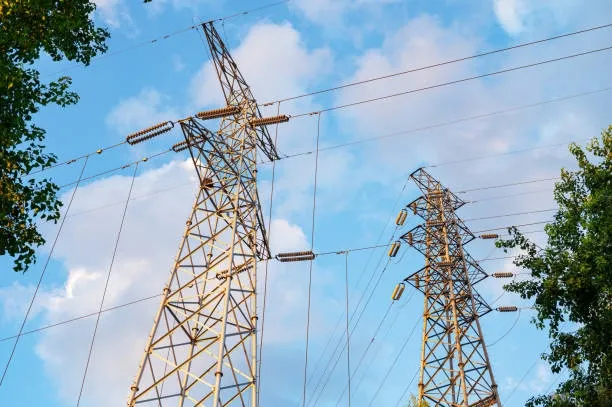
As labor costs rise, automation, intelligence, and unmanned operation of equipment have become trends. These technologies have been widely adopted in manufacturing and are gradually spreading throughout society. As an increasingly important part of production and daily life, the power grid has, in recent years and with government policy support, entered a smart era.
The core of the smart grid is the use of computers, big data, cloud computing and related technologies to collect and organize grid information and perform basic analysis. However, because the grid is connected to the Internet, it becomes possible for Internet-based attacks to affect it. As smart grid deployment deepens, the likelihood of such attacks will increase.
Large-scale power grid and Internet attacks
In December 2015, on the eve of Christmas, Kyiv and western Ukraine experienced a sudden blackout that affected 1.4 million residents. System investigations determined that this large-scale outage was a typical hacker attack.
Attackers used malware to disconnect the power company's control systems from substations and to cut off the power company’s external communications. The grid operator became an information island, unable to receive external outage information, which caused the impact of the outage to expand.
Attacks via Internet of Things devices
In 2016, the United States experienced large-scale distributed denial-of-service attacks that impacted some companies' servers, involving millions of Internet addresses.
Because demand for Internet of Things devices far exceeds that for personal computers, these devices are attractive as botnets for attackers. Although individual IoT devices are less powerful than typical computers, their vast numbers make attacks using them very effective.
Smart grid security issues
As smart grids join the Internet of Everything, they can deliver economic benefits but also become more exposed. Because vulnerabilities cannot be completely eliminated, the risk of attack increases significantly.
In response to security concerns, the power grid in China has implemented a three-layer, three-zone, three-grid security protection system, the "three types, two networks" ubiquitous IoT security strategy, and other measures. However, given the evolving threat landscape, taking precautions and preparing in advance remain necessary.