ALLPCB


Overview
In recent years, photovoltaic (PV) projects aimed at poverty alleviation have produced measurable results. Rural electricity access has improved significantly, local energy use has evolved, and the projects have contributed to lifting people out of poverty. Photovoltaic poverty-alleviation projects tend to offer stable returns and relatively quick impact, directly supporting poverty reduction efforts. They are also considered an important task for national energy authorities.
How solar power generates electricity
Solar power generation converts extraterrestrial energy, mainly sunlight, into electricity usable by people. There are two main approaches: solar thermal power and photovoltaic power.
Solar thermal power, commonly seen in solar water heaters, follows a light→heat→electricity conversion. Large arrays of mirrors or lenses concentrate sunlight to heat a working fluid. The high-temperature fluid transfers heat via a heat exchange system to produce high-pressure steam, and the steam then drives a turbine-generator to produce electricity. Because this process requires ample direct sunlight and substantial water resources, solar thermal systems have strict site and resource requirements.
Compared with solar thermal, photovoltaic generation has lower natural resource requirements, can utilize a larger portion of incoming solar radiation, and is more terrain-compatible. Thus PV has become the primary method for converting sunlight to electricity. A typical PV system consists of four main components: inverters (convert DC to AC), solar cells or modules (convert light to electricity), controllers (manage charging and discharging), and batteries (store or supply electricity).
The solar cell array is the key part of a PV system; its quality and cost largely determine the overall system performance and cost.
Why photovoltaic plants can support poverty alleviation
Poverty alleviation requires targeted measures to address underlying causes. Infrastructure improvements alone are not sufficient; sustained change requires giving communities economic opportunities and direction. PV power projects can provide more than temporary financial aid: they can create ongoing income streams.
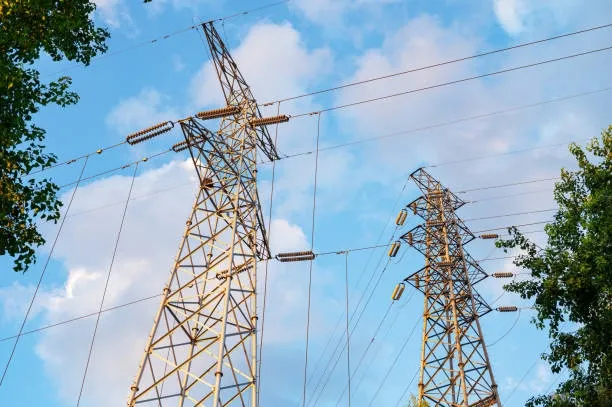
PV projects have minimal environmental impact compared with many conventional energy projects, which is an important advantage for infrastructure planners.
For people in impoverished areas, constructing PV power plants can create substantial local benefits. Plant construction and operation generate many jobs, helping to reduce local unemployment. In recent years, the renewable energy sector created about 2.3 million jobs, and it is projected to create at least 20 million additional jobs by 2030.