ALLPCB


Overview
Smart grid is a power system that enables data collection, analysis, and remote control. It applies modern computing, communication, sensing, and control technologies to extend and manage the power system, improving efficiency, reliability, and safety.
The core of a smart grid is real-time acquisition of information about power sources and load demands, and the ability to distribute and act on control decisions. A smart grid includes smart sensors, coordinated control, and information and communication functions.
Main Characteristics
1. High reliability
Data accuracy, correctness, and timeliness are critical to grid operation. Smart grids support remote monitoring and fault warning, which can significantly reduce incidents and strengthen grid management.
2. High efficiency
Smart grids make use of big data analytics and adaptive control strategies to dynamically balance energy distribution, better matching regional demand and optimizing resource use for more efficient power utilization.
3. Sustainability
Smart grids can integrate renewable power and distributed energy resources, optimizing current market and management practices to support cleaner energy supply.
4. Scalability
Smart grids consist of multiple subsystems, so they are inherently scalable. Systems can be expanded or reduced according to subsystem requirements.
How Smart Grids Work
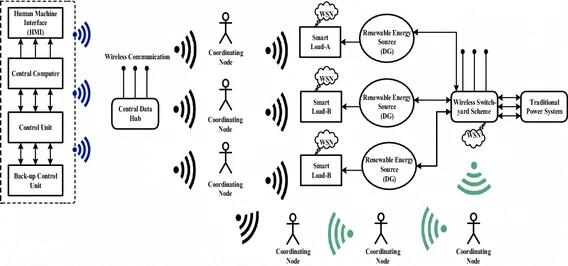
A smart grid is a conceptual energy infrastructure made up of interconnected power systems, control centers, networks, computers, energy storage, and electric vehicle charging systems. Its operation can be summarized in three steps:
1. Monitoring and analysis
Sensors and communication technologies are used to monitor and collect energy data in real time, including solar, wind, hydro, and gas generation. Data analysis is used to forecast future energy demand.
2. Control and optimization
Based on real-time monitoring and analysis, control algorithms manage energy systems and devices to maximize efficiency. For example, when overloads or equipment faults occur, the grid can apply flexible control strategies to relieve stress and maintain stability and safety.
3. Storage and charging
Energy storage and vehicle charging systems collect and store energy for release during peak demand. Charging systems also enable electric vehicle charging to reduce reliance on conventional fuels.
Smart grid operation involves multiple technologies and disciplines, such as energy management, cloud computing, the Internet of Things, and big data analytics. Attention and investment in smart grid capabilities are increasing as they support sustainable and intelligent energy systems.
Application Areas
Because of their predictability, controllability, schedulability, and safety, smart grids are applied across several domains:
1. Generation
Smart grids adjust generation unit operation and output according to load variation and peak-valley differences. They support integrated control of multiple units and optimize generation mixes for sustainable, clean, and efficient power supply.
2. Transmission
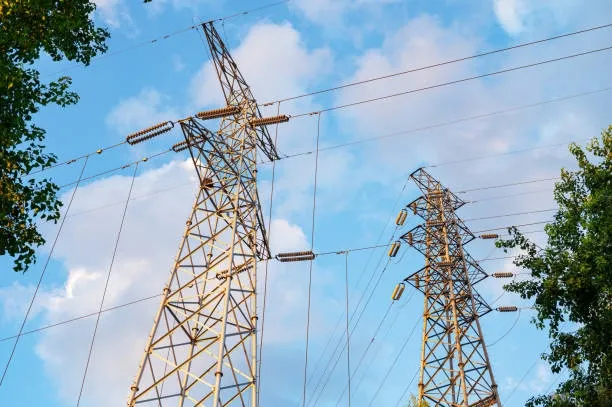
Smart grids dynamically optimize transmission and distribution strategies, provide remote intelligent control and monitoring, and ensure stability and reliability of the grid.
3. Distribution
Smart grids enable intelligent control of distribution equipment and management of distributed energy resources. They adjust network topology to match load changes and optimize energy allocation.
4. Industrial applications
Smart grids make industrial equipment operation more precise and stable, improving production efficiency and quality while reducing energy consumption and costs.
5. Transportation
Smart grids provide fast intelligent charging and remote operation monitoring for vehicles, improving electric vehicle operations. They can also integrate with urban transport planning to support smarter, more sustainable mobility systems.
Development Trends
Key trends in smart grid development include:
1. Power informatization
Deployment of big data, cloud computing, and the Internet of Things enables real-time monitoring, remote control, and data analytics, improving efficiency and reliability.
2. Integration of distributed energy
Wider adoption of distributed energy resources will drive effective utilization and management, enhancing grid interconnection capability and reliability and supporting low-carbon power systems.
3. Intelligent charging infrastructure
The rapid adoption of electric vehicles makes smart charging infrastructure a priority. Intelligent chargers improve user experience, promote EV adoption, and help alleviate energy pressure.
4. Widespread smart energy storage
Energy storage is a critical enabler for smart grids. Broader deployment of smart storage will support grid optimization and make power systems more intelligent and reliable.
5. Convergence with smart cities
Smart grids will increasingly integrate with smart city initiatives. The grid's information capabilities support cross-domain data exchange, coordination, monitoring, and control required for urban systems, making the convergence an important development direction.