ALLPCB


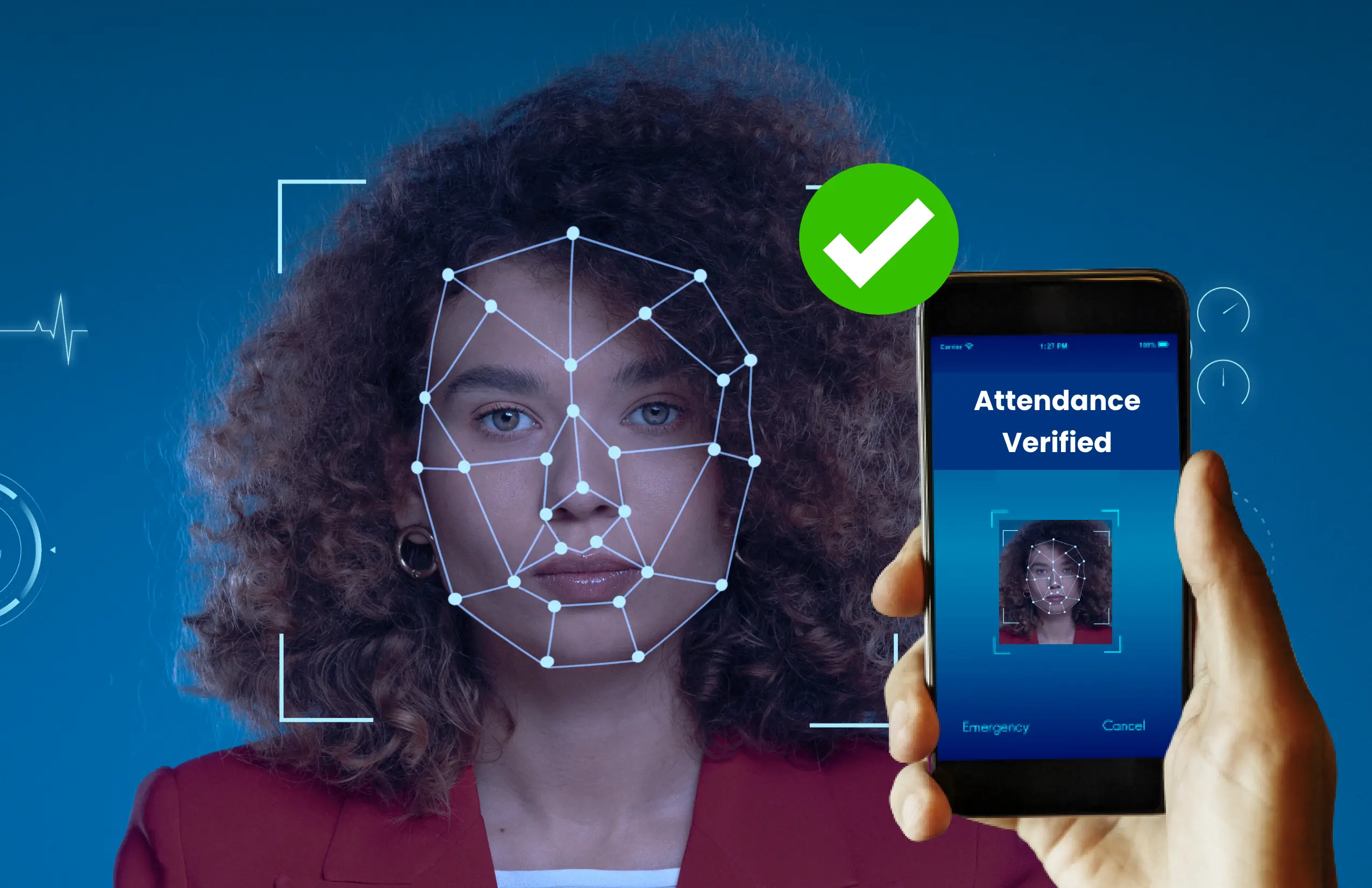
A face recognition access control system captures facial images with a camera and compares them against a large database of facial templates. If a match is found, a person can enter or exit residential buildings or units. This allows residents who forget access cards, passwords, or whose fingerprints have worn to authenticate by face, providing a secure and hygienic entry method.
Face access management systems are used in corporate offices, government buildings, office towers, and industrial parks to implement access permissions using facial recognition. They capture images of individuals and compare them against a pre-registered facial database to determine access rights for different areas, doors, and time periods, controlling door operation. Face recognition controllers are the primary hardware and can be combined with IC cards, fingerprint readers, QR codes, and other methods to further enhance security.
One representative product is the face recognition turnstile, which uses facial recognition to open gates, verify entries and exits, enroll faces, and log comparisons. Typically, a photo database is provisioned to devices in advance; on site, individuals authenticate by face to verify identity, and administrators can query and export access logs.
Functions of Face Recognition Access Control
Common applications typically include the following functions:
1. Access management and improved visitor experience
After registering personal information in the database, staff can access main entrances using facial authentication, and external visitors only need to register and then use facial authentication to enter. Intelligent face recognition reduces entry time and enables efficient and orderly visitor management. For VIP guests, administrators can pre-enroll images in the facial database so visitors can authenticate by face without on-site registration, improving the visitor experience.
2. Increased area security
Face turnstiles use infrared cameras, stereo cameras, and similar sensors to improve recognition accuracy and resistance to interference, reducing the impact of environmental factors and lighting. They extract facial features and perform live/dynamic comparisons, significantly reducing recognition errors. When a captured face does not match the database, the turnstile will not grant access. This prevents unregistered or unauthorized individuals from impersonating residents; a photograph of another person cannot be used to authenticate.
3. Integration and simpler management
Multiple entrances of the same organization can be equipped with face turnstiles. Gates in different areas can be centrally managed via a unified database and terminal management platform, enabling interconnected data and centralized control of multiple entry points. Different permissions can be provisioned to specific turnstiles, allowing differentiated access for personnel categories. Individual organizations may adopt customized turnstile solutions based on their requirements.
Uses of Face Recognition Access Control
In residential areas and other densely populated locations, entry and exit patterns are complex, involving residents, visitors, delivery personnel, and many strangers. High traffic and limited management resources can create security gaps. Lost access cards, leaked passwords, and stolen fingerprints are difficult to resolve, allowing unauthorized people to exploit weaknesses and increasing security incidents.
As face recognition technology improves, turnstile control has become more robust. Modern systems are less affected by makeup, photographs, masks, or lighting conditions, making it difficult for strangers to bypass access via disguise.
Compared with traditional systems like fingerprint or card access, face recognition systems offer more intelligent and convenient management. Previously, personnel changes required replacing fingerprints, cards, or keys. With facial access, new users only need to enroll to gain entry, and administrators can remove departed residents' records via the backend, reducing administrative overhead for personnel changes.
Access control is the first line of defense in area management, and entrance security is a major concern. With the growth of artificial intelligence, face recognition has become widely adopted across residential complexes, schools, offices, buildings, construction sites, and other environments.