ALLPCB


Are EMI filters magnetic?
Yes. One common EMI filter design is a magnetic filter. Magnetic filters use magnetic components such as magnetic cores and magnetic materials to provide filtering. These filters suppress electromagnetic interference by adjusting the properties of the magnetic materials and the magnetic fields induced by current.
Magnetic filters are typically used to suppress high-frequency EMI. They can route interference into controllable magnetic materials where the energy is absorbed or dissipated, reducing the impact on nearby electronic equipment.
Common magnetic filter components include ferrite cores, ferrite beads, and magnetic plates. By selecting appropriate magnetic elements and their parameters, effective suppression of EMI within a targeted frequency range can be achieved.
Note that filter design and application require consideration of the interference frequency range, signal strength, and the characteristics of the target device. Selecting the appropriate filter type and parameters depends on the specific requirements and application.
EMI filters versus non-electromagnetic-interference filters
EMI filters and non-electromagnetic-interference filters are two different types of filters used in signal processing and electronic systems.
EMI filters
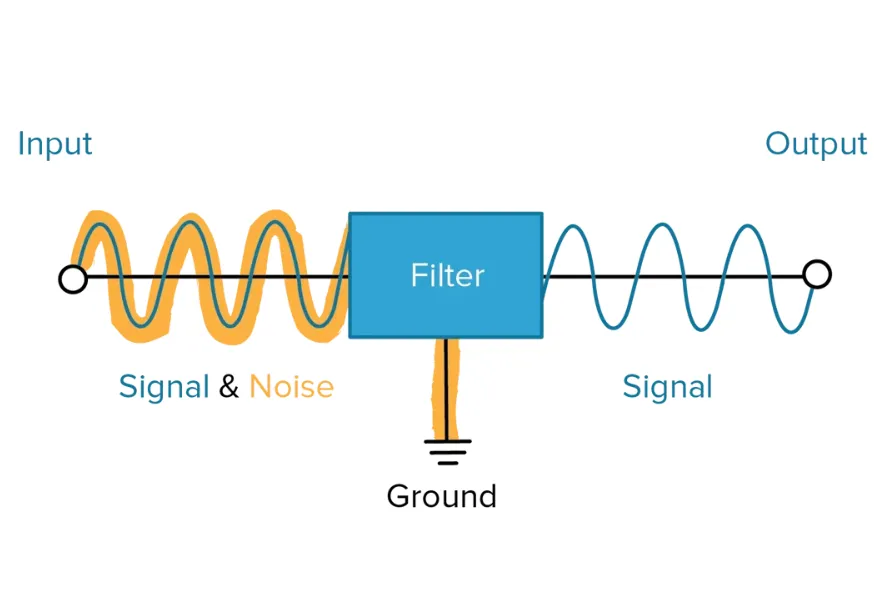
Electromagnetic interference (EMI) filters are used to suppress electromagnetic interference that affects electronic equipment. They are applied when an EMI source exists near electronic devices. EMI filters reduce interference by selectively passing or blocking signals within specific frequency ranges.
The operating principles of EMI filters typically involve components such as capacitors, inductors, and filter networks. They are designed to capture and absorb EMI within certain frequency bands and prevent it from propagating into sensitive circuits. This helps ensure normal device operation and improves system immunity to interference.
Non-electromagnetic-interference filters
Non-electromagnetic-interference filters are used in signal processing to remove other types of disturbances, such as noise, harmonics, and aliasing. Their design goals are defined by the application requirements and implemented using digital filters, analog filters, or dedicated filter circuits. These filters are applied at various stages of the signal chain to preserve signal accuracy and quality.
In summary, EMI filters target electromagnetic interference affecting electronic equipment, while non-electromagnetic-interference filters remove other forms of disturbance to maintain signal quality and reliability.
What happens if a washing machine EMI filter fails?
If a washing machine's EMI filter is damaged or fails, it can cause interference with nearby electronic equipment and wireless communication systems. Possible effects include:
- Interference with other electronic devices: Electromagnetic emissions from the washing machine may affect nearby devices such as TVs, wireless networking equipment, or audio systems, causing disrupted operation, visual distortion, or audio degradation.
- Interference with wireless communication: Emissions near wireless bands can disrupt Wi-Fi, Bluetooth, or mobile signals, resulting in intermittent connections, degraded signal quality, or reduced data throughput.
- Voltage and current fluctuations: A faulty EMI filter may cause voltage and current fluctuations during operation, which can damage the washing machine's own electronic components and control systems or affect their normal operation.
To avoid these issues, if you suspect the EMI filter is damaged, have a qualified repair technician or service center inspect and, if necessary, replace the filter to ensure proper operation and prevent interference.