ALLPCB


1. Increased infrastructure requirements
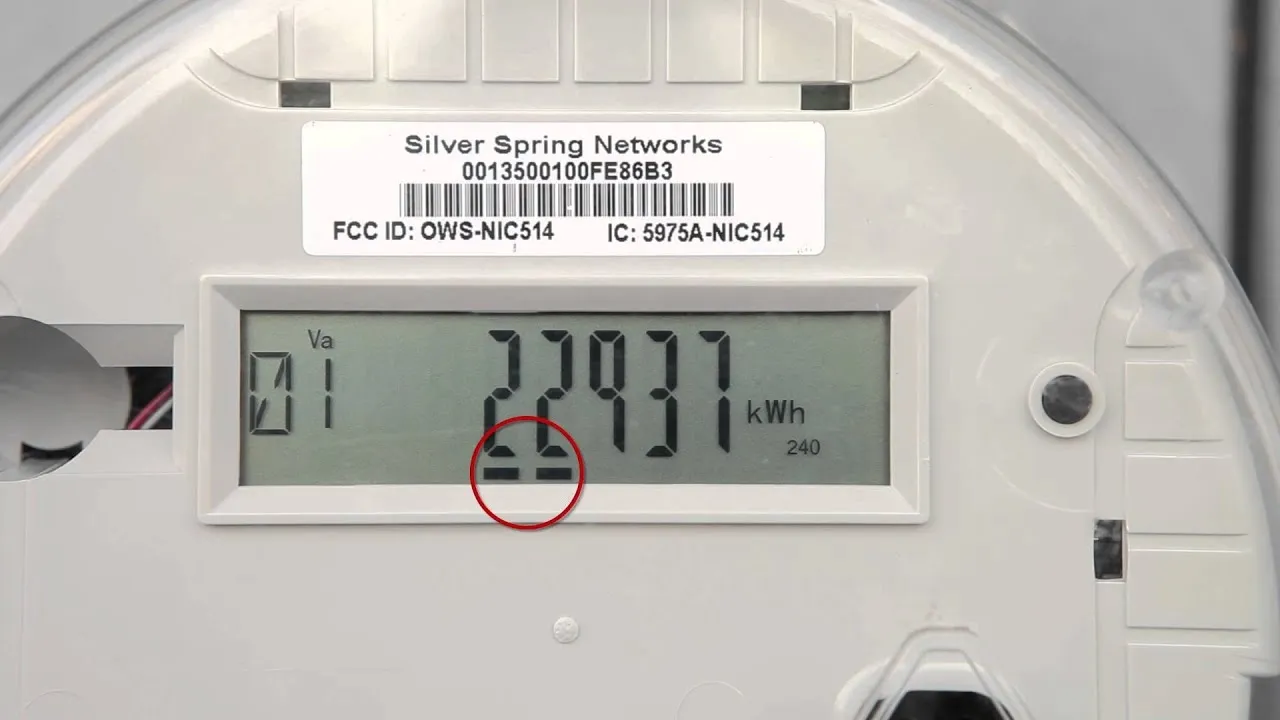
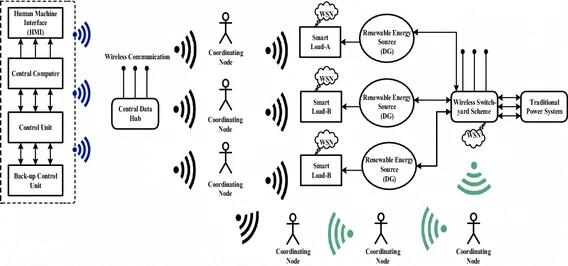
The smart grid requires flexible network topologies, but typical future grid topologies are not yet well defined. The deployment of smart meters is expanding, yet how they will support grid planning and operation remains uncertain, and their capabilities require further development. Infrastructure based on new technologies may encounter issues such as funding constraints, increased risk, and insufficient operator expertise.
2. Lack of communications standards and protocols
A lack of standardization, particularly for distributed power sources and energy storage, will inhibit data exchange among system entities (generation, transmission, distribution, and consumers), hinder full system optimization, and reduce overall efficiency.
3. Interoperability standards need improvement
Interoperability standards enable coordination among all devices in the power system. In areas such as distributed generation and energy storage, existing standards remain limited. Without coordination functions, interconnections of distributed generation tend to operate locally and autonomously. The development of distributed generation must be considered from a grid perspective and coordinated with the wider system.
4. Cybersecurity of computer networks
Issues such as data security, privacy protection, and access control remain uncertain and can impede the adoption of smart grid solutions. Future systems like the energy internet and intelligent transportation will produce large volumes of data, creating additional data security challenges.
5. Operational and planning models for distributed generation
Smart grid models must integrate the impacts of computer networks, infrastructure, market mechanisms, and national policies. Future planning models need to address how to optimize system operation under high penetration of distributed generation, which is a significant challenge.
6. Load and generation scheduling and dispatch
With the increasing share of inverter-based renewable generation, grid compatibility standards must change substantially and be revised to manage both conventional generation and inverter-based renewables. Current dispatch models for distributed generation do not yet ensure benefits for all stakeholders, and robust models to identify optimal load-generation balance are still lacking.