ALLPCB


Why communication in smart grids is challenging
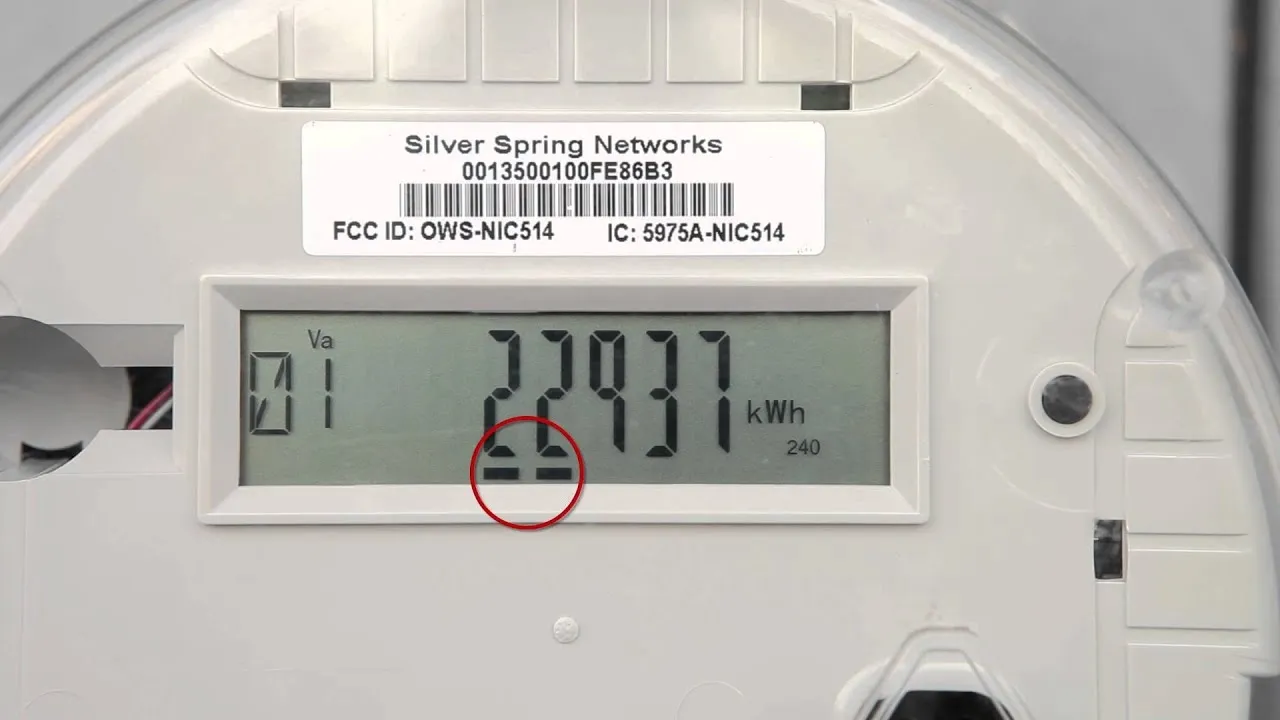
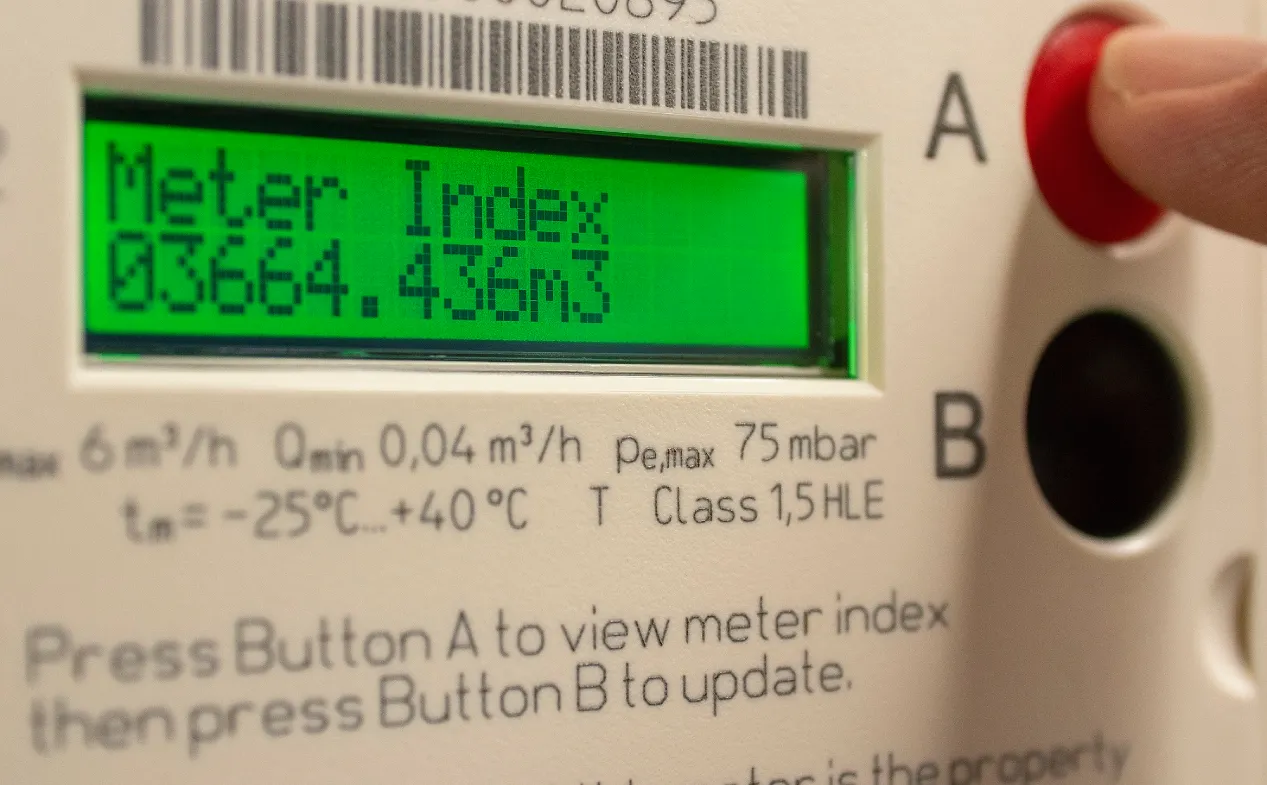
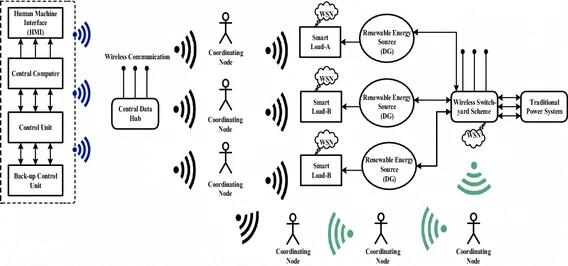
A key characteristic of smart grids and HEMS devices is that they include communication capabilities. For example, a smart meter communicates along an A path to the supplier (utility) and a B path to consumers (in-home HEMS devices). The communication methods used vary by country and region. Although the A path is being standardized, utilities sometimes add proprietary specifications. The B path places greater emphasis on interoperability and connectivity based on standards in order to communicate with a variety of HEMS devices.
Common communication approaches by region
In Japan, the B path mainly uses Wi-SUN wireless communication. When wireless is not available, PLC (power line communication) is used as a fallback. The A path in Japan may use wireless MultiPop and 1:N wireless methods, and PLC is also being considered. Outside Japan, A and B paths may use vendor-specific methods or standards-based approaches such as Wi-SUN and PLC. Other explored options include MultiPop wireless, 2G/3G cellular, and ZigBee wireless.
HEMS and building networks
Devices connected to the B path port inside homes typically include HEMS or BEMS servers, which act as central controllers for residential and building energy management. Within building networks that link HEMS/BEMS devices to appliances and machinery, both Wi-SUN and PLC play significant roles. The following sections summarize these two communication methods important for energy-saving systems.
Sub-GHz wireless: Wi-SUN
Sub-GHz wireless uses frequencies below 1 GHz, approximately 900 MHz. Typical allocations are 920 MHz in Japan, 915 MHz in the US, and 863 MHz in Europe. Although allocations differ by region, these are unlicensed, low-power bands and are widely used. Sub-GHz signals offer longer range and better interference resilience compared with higher-frequency bands.
Compared with WLAN frequencies at 2.4 GHz and 5 GHz, Sub-GHz wireless consumes much less power, making it suitable for battery-powered wireless sensor networks. To promote broad adoption in M2M and sensor networks within the IoT space and to ensure interoperability across vendors, the Wi-SUN standard was developed. Within a Home Area Network (HAN), this interoperability enables multiple appliances to be networked under a HEMS.
Wi-SUN uses IEEE 802.15.4g at the physical layer for low-rate communication and IEEE 802.15.4e at the MAC layer. The protocol targets scalable operation even when over 1,000 nodes are present, and it improves throughput and security relative to the earlier IEEE 802.15.4 specifications. Wi-SUN defines practical application-level profiles selected from the IEEE standards for real-world deployments. Renesas participated in developing aspects of the specification.
Power line communication (PLC) for meters
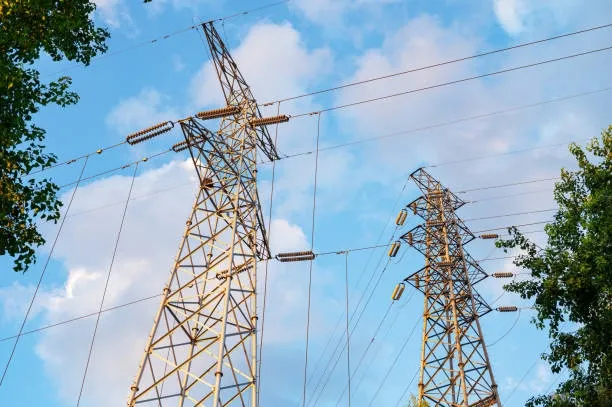
PLC transmits signals at frequencies higher than the AC mains frequency (50/60 Hz) by injecting them into existing power distribution wiring. Using already-installed wiring eliminates the need for separate cabling. Whereas wireless can fail if a meter is enclosed by metal or thick reinforced concrete, PLC remains usable in such environments. PLC is therefore also applied to building automation and street lighting.
Figure 6: Basic principle of PLC communication
PLC for smart meters differs from PLC developed for PC data communication. PLC for PCs typically uses 2 MHz to 30 MHz bandwidth, while PLC for smart meters uses 10 kHz to 500 kHz. Smart meter PLC approaches include Europe’s G3 and PRIME, the US IEEE 1901.2, and Italy’s Meters & More. Renesas participated in standardization activities for these approaches. In Japan, G3-PLC is adopted for smart meters.
Application-layer interoperability: ECHONET Lite
Connecting appliances, smart meters, and solar inverters via Wi-SUN and PLC does not automatically enable control. If vendors use proprietary data formats and command sequences, devices cannot exchange information. To standardize this, the ECHONET Consortium defined ECHONET Lite, a communication protocol that specifies the application layer. ECHONET Lite provides a common access interface layered over Wi-SUN and PLC, covering control and status reporting for more than 80 device types. With broad adoption of ECHONET Lite across appliances, inverters, and batteries, HEMS devices can manage household-level and device-level consumption and coordinate generation, consumption, and storage.
Certification, interoperability, and practical installation challenges
Communication technology is central to smart grid systems. Although wireless and PLC standards are strict, configuring a deployment to meet the standards in practice is not trivial. Specifications are typically voluminous, and some practical details are not fully documented. Passing certification tests conducted by standards bodies requires experience and careful interpretation. Even after certification, interoperability with other vendors is not automatically ensured because connectivity depends on factors beyond the standard. Therefore, interoperability tests are carried out by standardization groups.
Certification testing and interoperability validation require experience. Developers with limited wireless experience may find it difficult to reach compliance by reading specifications alone. Using certified modules and protocol stacks is an effective way to address these challenges.
Development platforms and evaluation kits
Renesas provides development kits for Wi-SUN-based smart meter development. Two representative kits are available: a low-power kit based on the RL78/G13 microcontroller, labeled "Wi-SUN Basic Platform for Sub-GHz band development kit," and a more feature-extensible kit based on the RX63N, labeled "Wi-SUN Advanced Platform for Sub-GHz band development kit." The former focuses on minimizing power consumption, while the latter targets extensibility and support for multiple features.
The wireless components in these kits, including protocol stacks, have been certified by the Wi-SUN Alliance and are recognized as Certified Test Bed Units (CTBUs). As CTBUs, these protocol stacks serve as reference baselines for interoperability testing by other vendors, which helps reduce barriers during connectivity tests.
PLC evaluation solution and modem flexibility
The PLC solution kit consists of an evaluation board using the GROBEL PLC modem μPD809508 and accompanying software documentation. The μPD809508 supports both G3-PLC and PRIME and has protocol stack certification. By updating the software database, the modem can support regional variants of G3-PLC and PRIME. As a software-centric design, communication algorithms can be refined to address PLC challenges such as noise and signal attenuation. This approach avoids the need to change modem LSI by region, improving development efficiency and manufacturability.
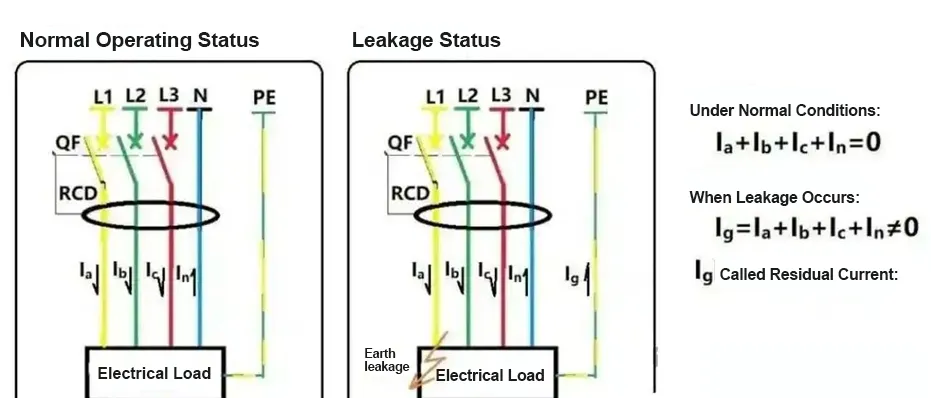
Roadmap work includes combining G3-PLC and PRIME support into a single modem and expanding support to IEEE 1901.2 and newer PRIME versions. Evaluation boards have been certified to applicable technical standards, enabling initial PLC communication trials by connecting the evaluation kits to power lines without requiring specialized leakage tests in controlled environments.
Practical impact
Developers can use the described development kits and evaluation hardware to reduce the labor previously required for low-power measurement development and interoperability testing. These solutions aim to support efficient development for smart meters and related devices. The described platforms and modems are applicable not only to electric meters but also to gas meters, sensor networks, street lighting, and energy management systems in HEMS, BEMS, FEMS, and CEMS for managing consumption, generation, and storage.