ALLPCB


Overview
Imagine life without electricity. Electricity is essential - do you know how it is delivered? Substations are commonly seen in urban and suburban areas. What purpose do they serve? This article explains the role of substations in the power supply chain.
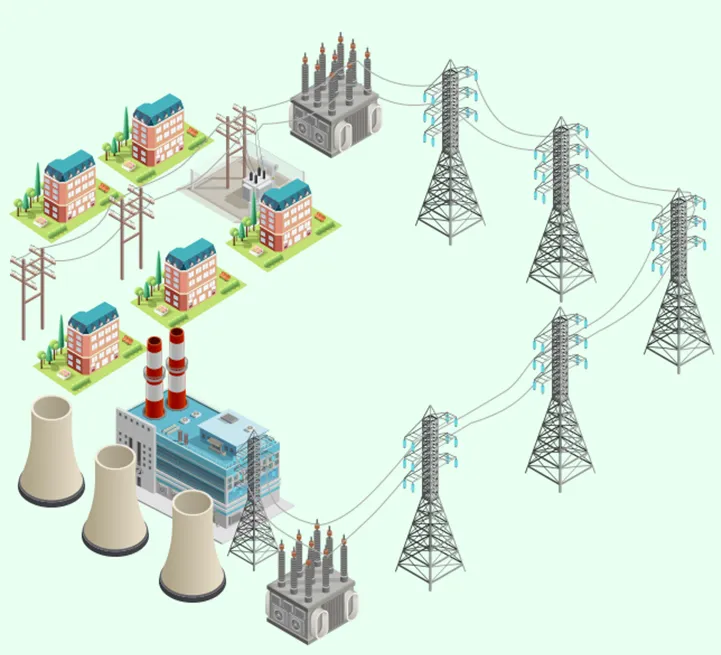
Electricity travels from power plants to end users through five stages: generation, transmission, transformation, distribution, and consumption. A schematic of the energy transfer is shown below.
What a substation does
In simple terms, a substation is a facility where voltage is changed by transformers and it connects transmission lines at different voltage levels. Substations can be either step-up (increasing voltage) or step-down (decreasing voltage).
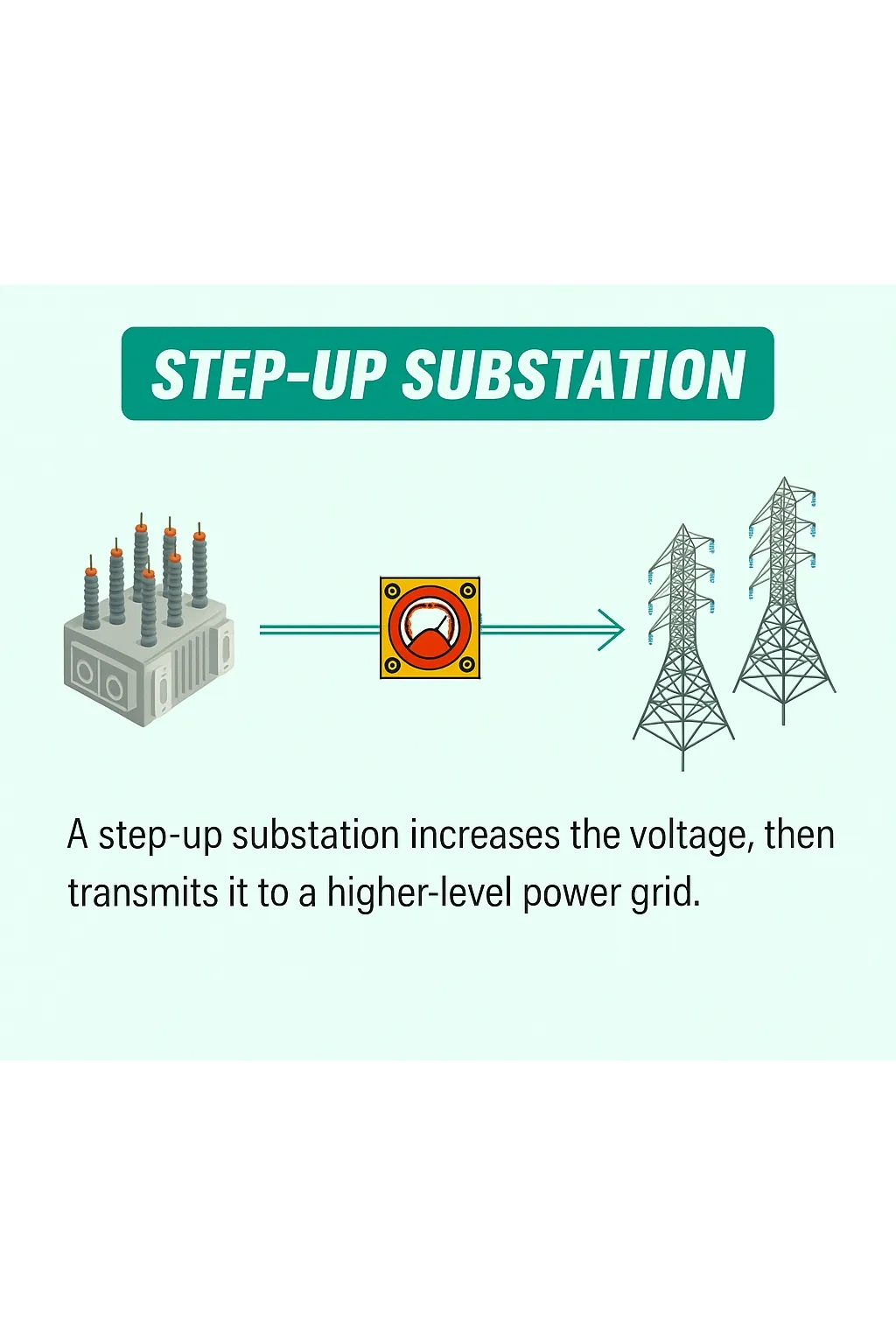
Why step up voltage for transmission?
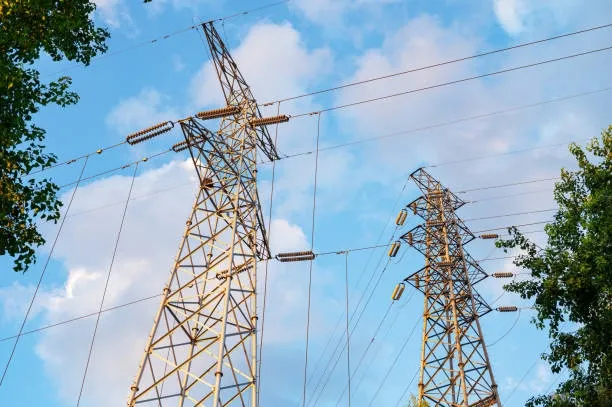
Electricity generated at power plants is usually at relatively low voltage, while consumer load centers are often far away. Long-distance transmission causes losses. The main point is that current in transmission lines generates Joule heating. According to Joule's law (Q = I^2 R T), lower current produces less Joule heat and therefore lower energy loss.
Power remains constant during transmission. From P = U I, for a given transmission power, higher voltage means lower current. Therefore, electricity from power plants is stepped up at substations before long-distance transmission to reduce transmission losses.
If the formulas are unclear, remember: stepping up voltage reduces energy loss during transmission.
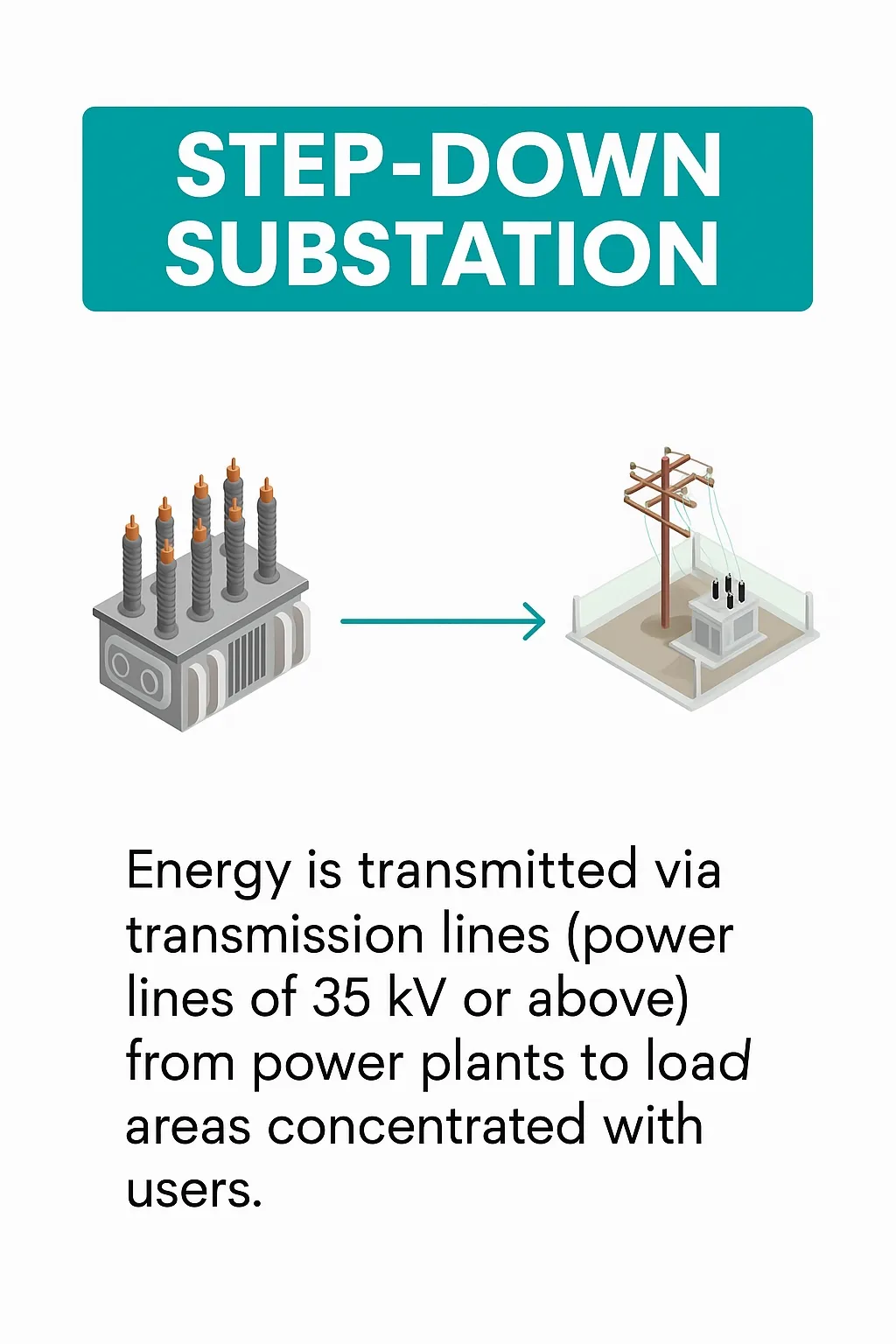
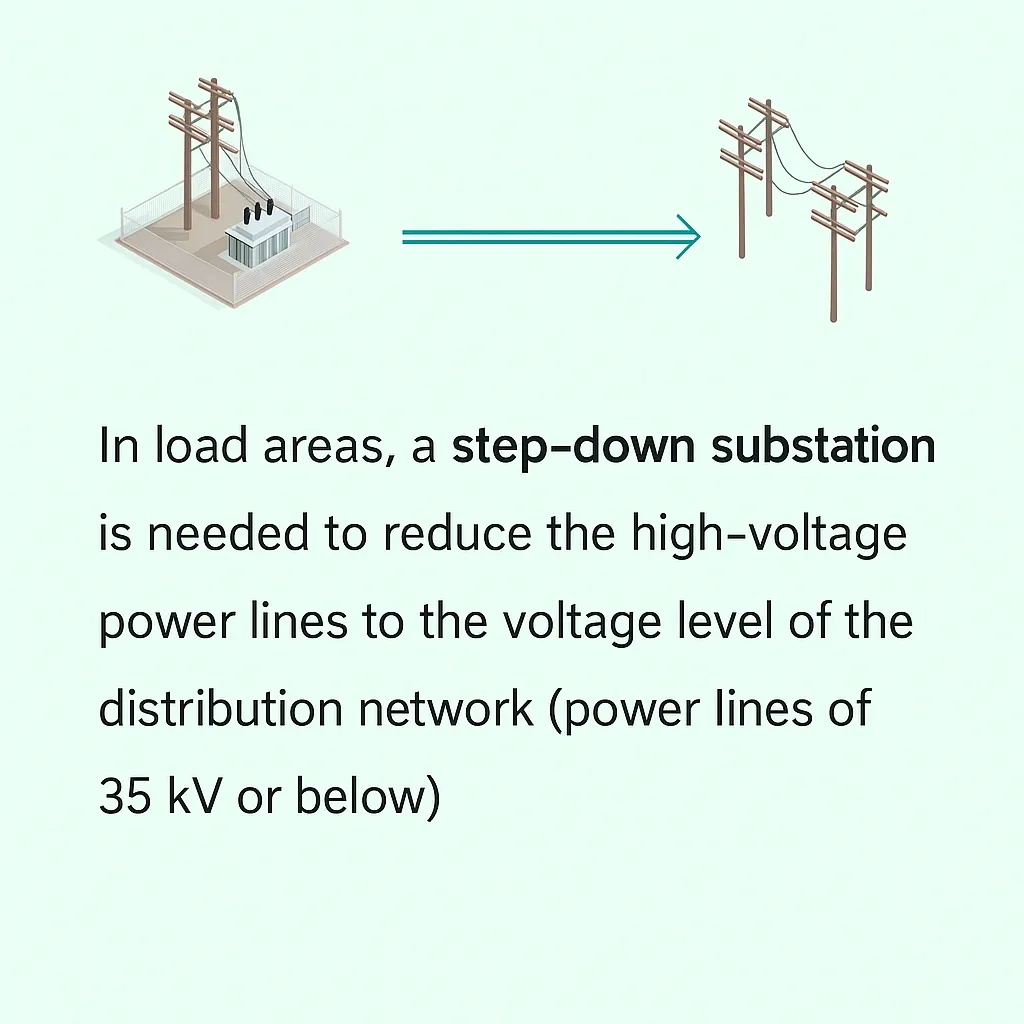
Power is then transmitted via the distribution network to neighborhood transformers, which step the voltage down to household levels, typically 380 V three-phase (220 V single-phase), so electricity reaches homes.
Transmission is analogous to freight transport: using one 5-ton truck is more efficient than using five 1-ton trucks. Raising voltage for transmission is similar. When the large truck reaches a residential area, its load is split and delivered to individual households by smaller vehicles; this is equivalent to lowering voltage for local distribution.
Substation voltage levels
Depending on transmission distance, line capacitance, and the economics of line construction, each transmission line uses an appropriate voltage level. That determines the voltage classes of substations.
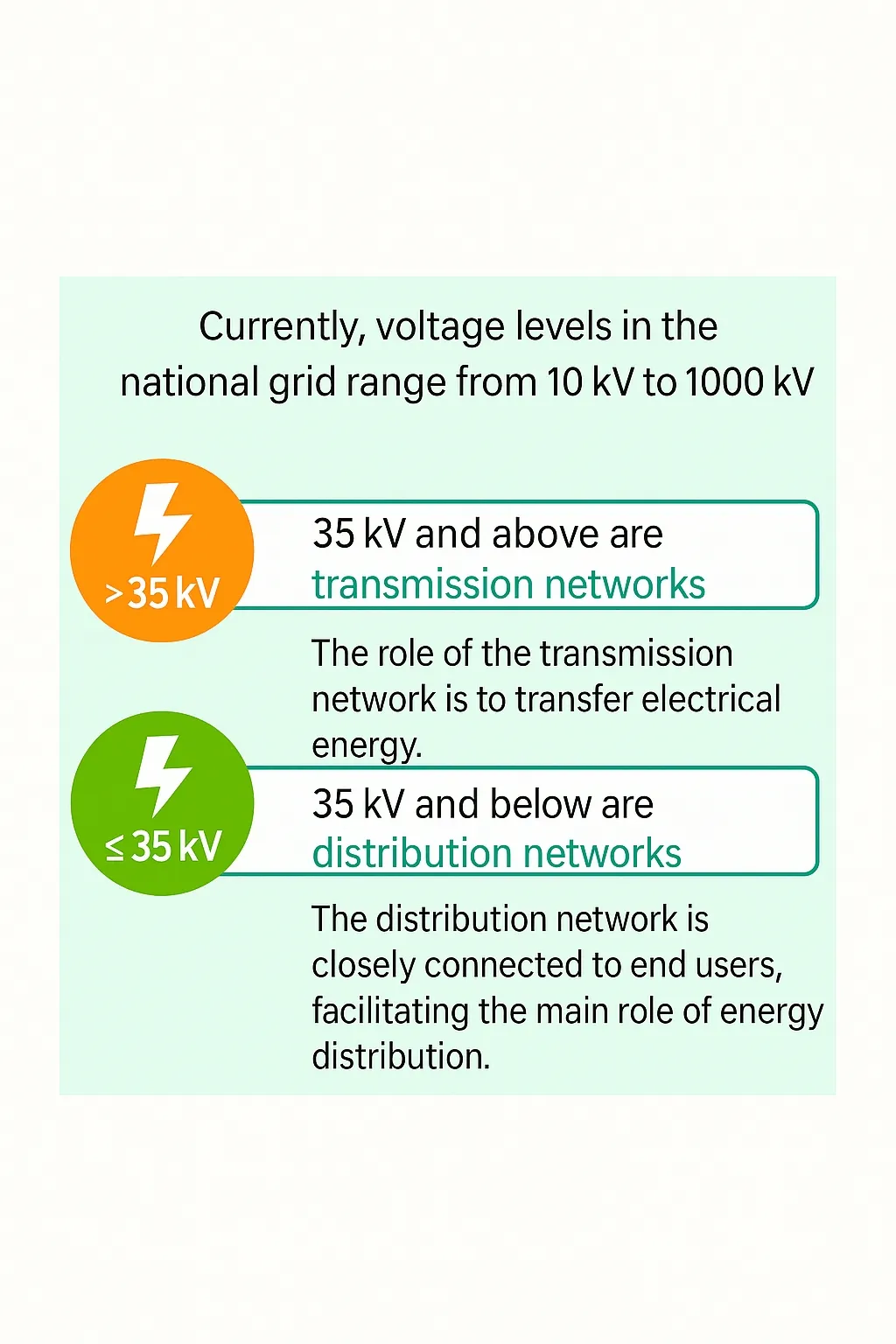
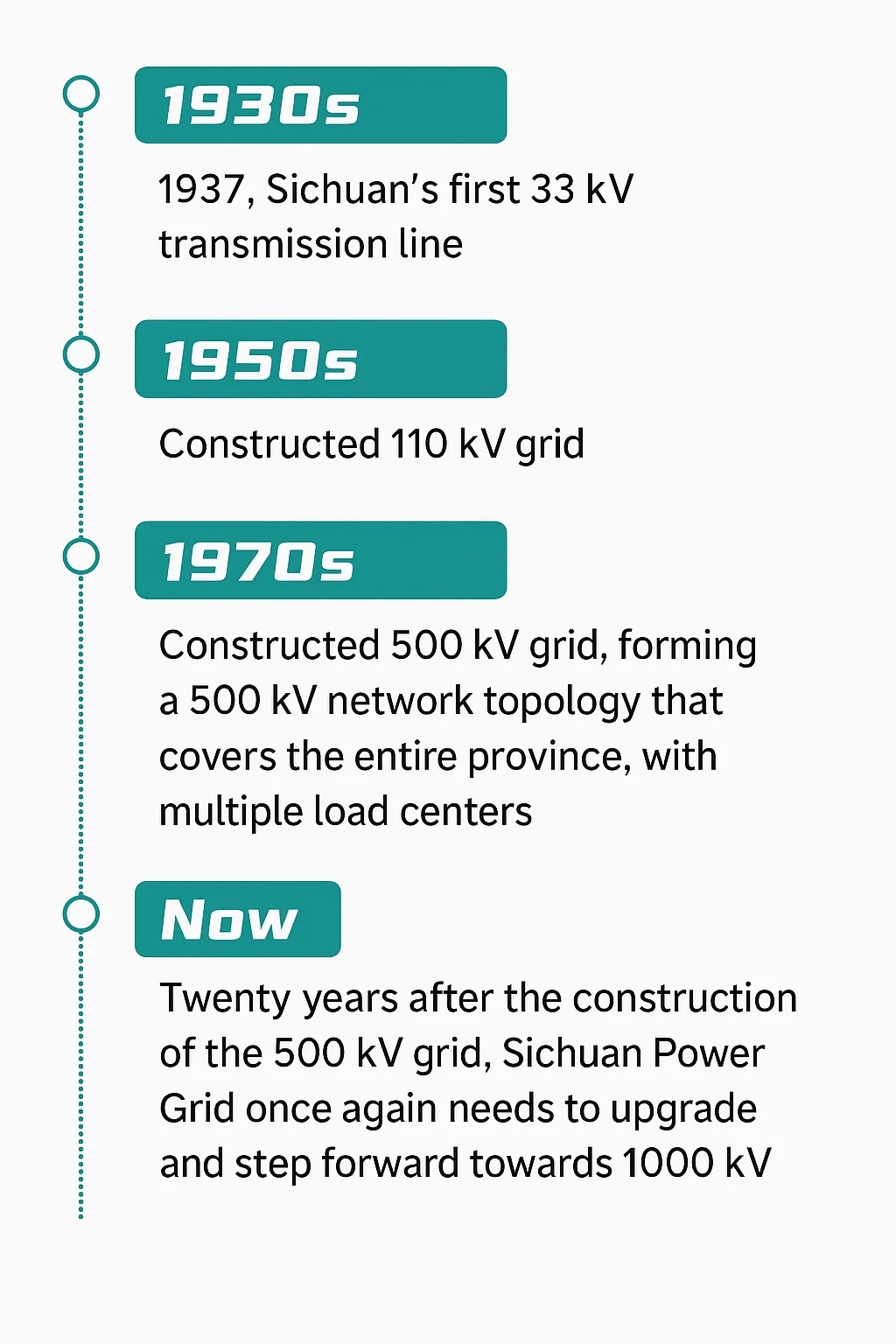
Voltage levels ranging from 10 kV to 1000 kV reflect continuous advances in power transmission technology. For example, some regional grids started with 33 kV interregional lines and have continued to increase voltage levels.
Where substations are located
Substation siting requires careful planning. If transmission distances are too long, voltage stability and power quality will deteriorate.
In areas with high demand, such as commercial, transportation, and dense residential zones, a single 110 kV substation typically covers only about 2 to 4 square kilometers; beyond this range high-quality power supply cannot be guaranteed.
Large hospitals, major commercial complexes, and some large factories often have dedicated substations to meet high load density.
As urban development increases population and electricity demand, multiple interconnected substations are needed to ensure supply reliability and power quality. Interconnections provide alternative routes when a transmission corridor fails, reducing the likelihood of blackouts.
Do substations emit radiation?
Radiation is a physical phenomenon. Electromagnetic radiation intensity depends on frequency—higher frequency generally means stronger radiation.
Substations and high-voltage transmission lines operate at 50 Hz and do not produce radiofrequency radiation. They produce extremely low-frequency electromagnetic fields, also called power-frequency electric and magnetic fields.
These fields are induced fields with very long wavelengths, so they are not absorbed by the body like radiofrequency radiation; however, they can induce currents in the body. Keeping induced currents below safety thresholds prevents health issues.