ALLPCB


Overview
Spread-spectrum clocking (clock jitter techniques) is suitable for periodic pulse signals, typically PWM in power electronics and clock signals in digital circuits. These periodic pulses are often the strongest interference sources and require special attention during circuit design.
Principle
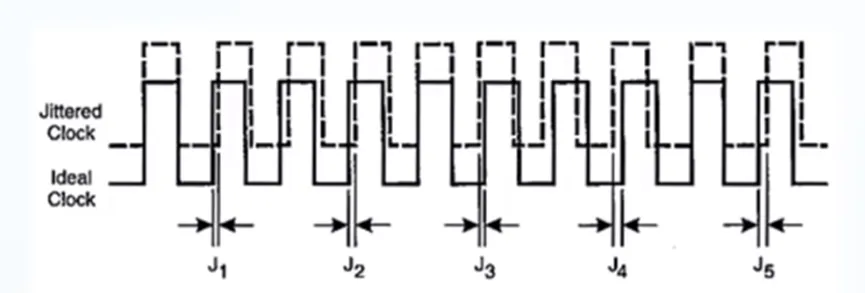
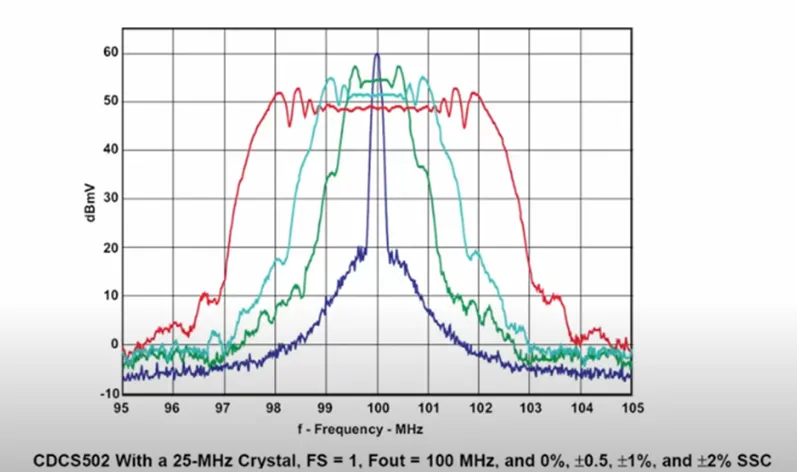
From the Fourier transform perspective, a purely periodic pulse produces a series of discrete spectral lines, concentrating energy at those line frequencies. In contrast, a nonperiodic or modulated pulse has a continuous spectrum with energy spread across frequencies, so the energy at any single frequency is smaller.
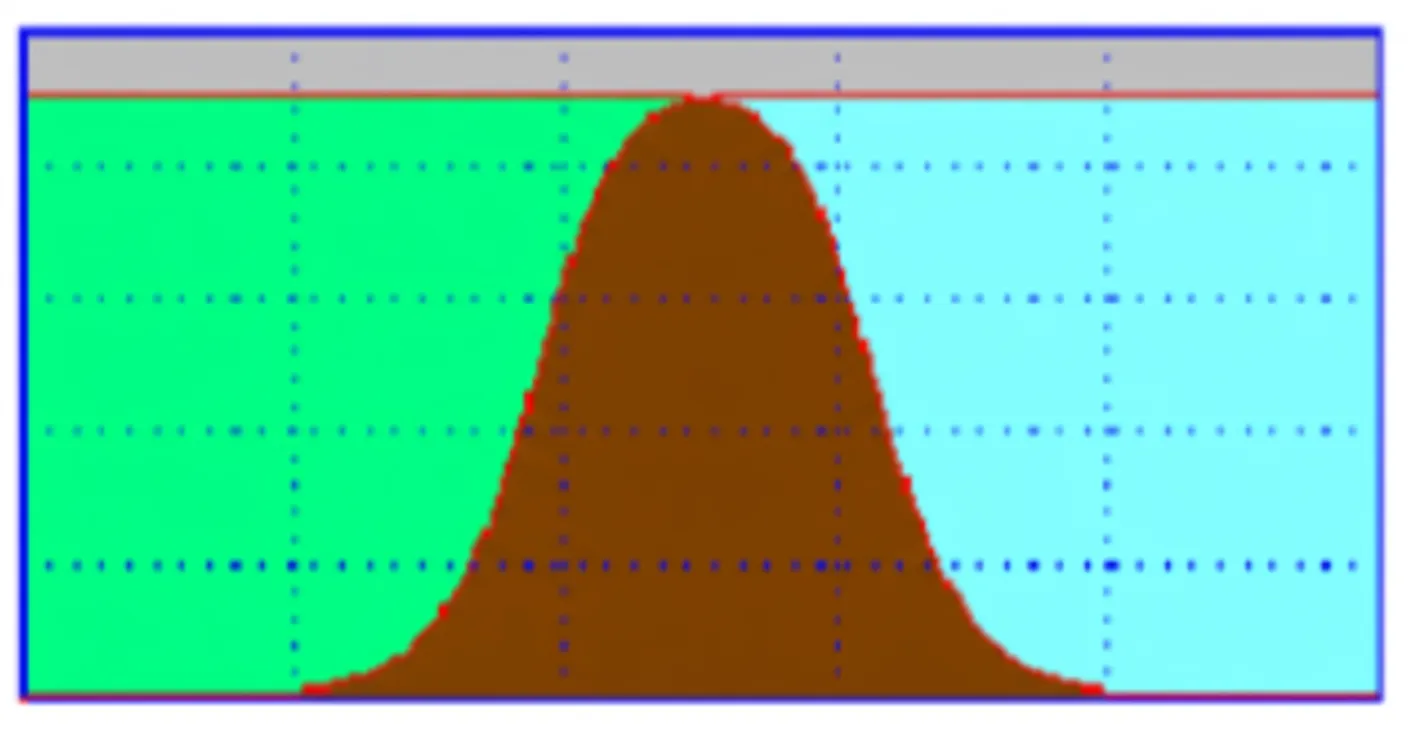
Applied to a clock, spreading the clock frequency makes each spectral line broaden and reduces its peak amplitude. The result is a lower narrowband emission level, as illustrated below.
Effect on EMI Measurements
Because the spectral energy is dispersed, a measurement receiver with a narrow bandwidth may capture only part of the energy while the rest falls outside the receive bandwidth. This can lower measured emissions in narrowband EMC tests such as RE102.
Applicability
This technique is commonly used in commercial products where cost limits the use of heavy shielding and extensive filtering. For applications that must meet very stringent standards, such as many military systems, spread-spectrum effects are less significant and conventional shielding and filtering remain primary mitigation methods.
Spread-spectrum modulation can also be applied to other pulse circuits.