ALLPCB


Overview
Circuit breaker trips are common in households. To understand why a breaker trips, start with the household wiring diagram.
Household circuit components
The household circuit consists of two main parts: the incoming service connected to the meter room and meter box (including the incoming conductors and main switch), and the home-side distribution board, appliances, and wiring.
Incoming service conductors
These supply electrical energy to the user from the outdoor low-voltage distribution network, typically at 220 V. There are two incoming conductors: the live conductor and the neutral conductor.
The neutral conductor has no voltage relative to earth, while the voltage between live and neutral is 220 V.
Live (L): carries current, commonly red or brown.
Neutral (N): normally at or near earth potential, commonly blue; together with the live conductor it completes the circuit.
Earth (PE): green-yellow or yellow, used to carry leakage current to earth.
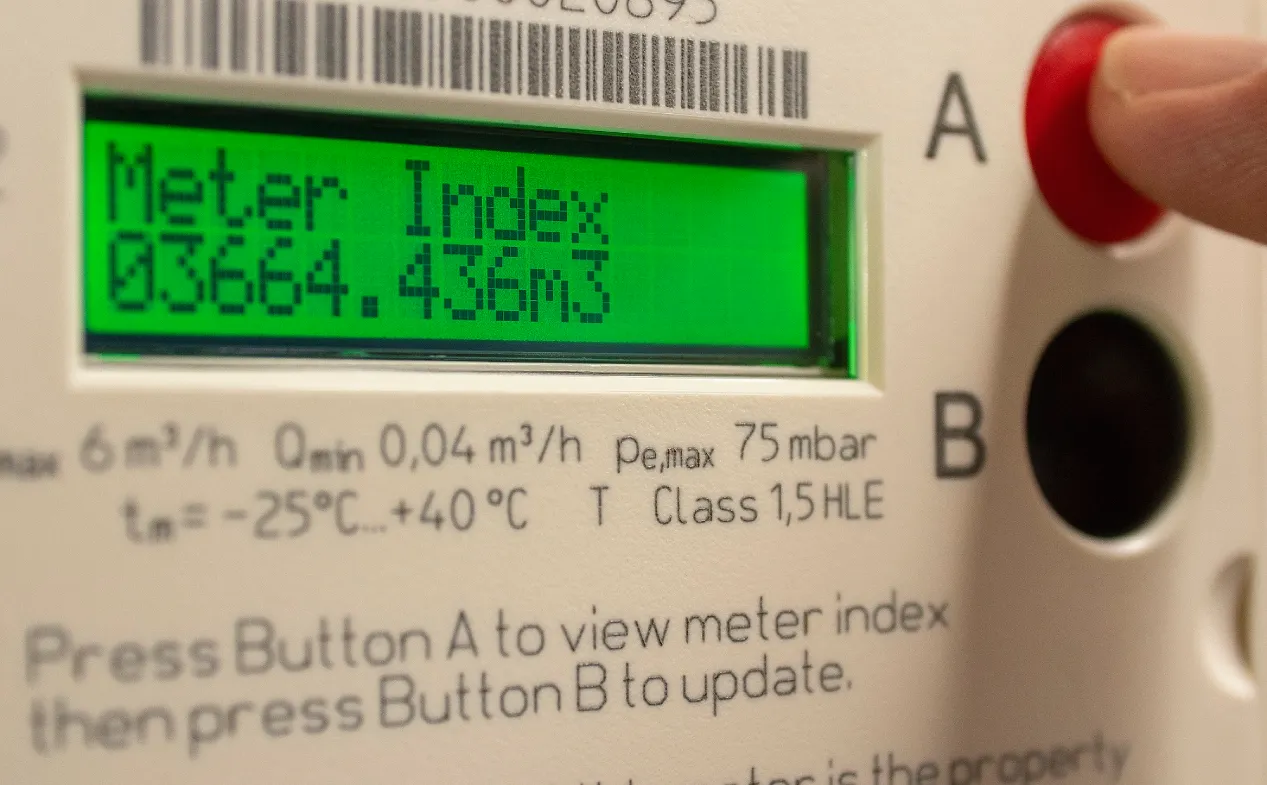
Meter
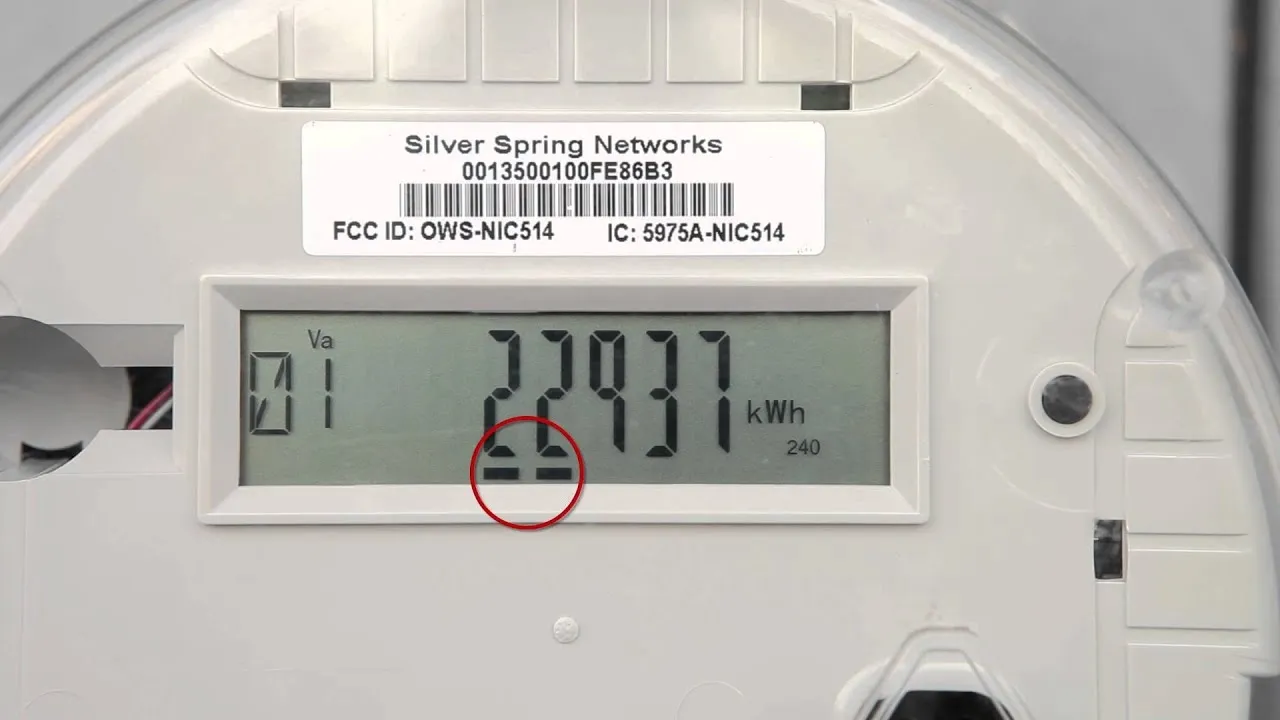
The meter records household energy consumption.
Main switch
The main switch controls power to the entire household circuit. It can be used to disconnect power during appliance replacement or maintenance to ensure electrical safety.
Distribution board
The distribution board acts as the control center for the household electrical system, allowing independent management of individual circuits. The core device is the air switch, with each air switch managing a branch circuit, such as lighting, HVAC, or sockets.
What is an air switch?
An air switch, also called an air circuit breaker, is a type of breaker commonly used in household circuits. It provides overload protection, short-circuit protection, and undervoltage protection. Common types include single-pole, double-pole, and three-pole.
Single-pole: controls the live conductor only.
Double-pole: controls both live and neutral conductors.
Three-pole: controls three conductors (live, neutral, and earth).
How air switches work
To understand operation, examine the internal structure and how it responds under different conditions.
Operating principles
1. Overcurrent operation:
Under overcurrent, the overcurrent trip mechanism actuates and releases the latch, opening the contacts and cutting off the power. When a circuit overload or short circuit occurs, the overcurrent trip element engages, forcing the latch to release and opening the main contacts to provide short-circuit protection.
2. Undervoltage operation:
Under undervoltage, the undervoltage trip releases the latch and opens the contacts, cutting off the power. When the supply voltage drops severely or is lost, the armature is released and the main contacts open, providing undervoltage protection.
Air switches protect against overcurrent and undervoltage. However, circuits can also experience earth leakage, which can lead to electric shock or fire.
For protection against leakage, the residual-current protective device is used.
What is a residual-current protective device?
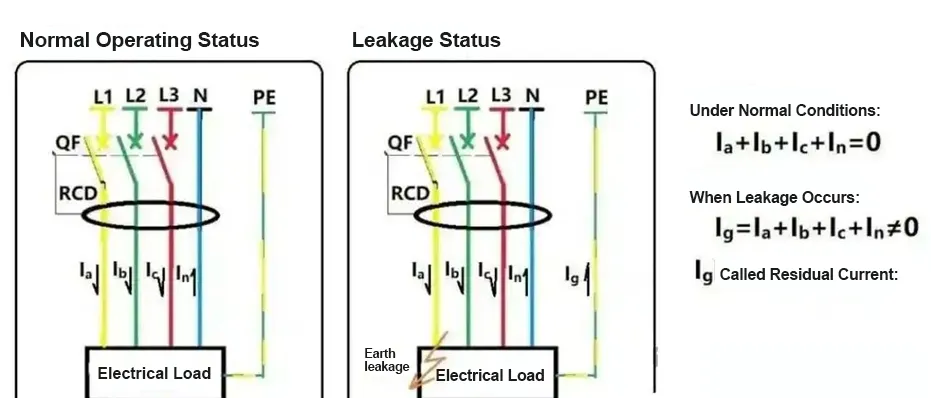
A residual-current protective device (RCD) is designed to prevent harm from earth leakage. When insulation of an appliance or wiring is damaged and leakage occurs, the RCD automatically disconnects the circuit to protect occupants. Essentially, an RCD adds leakage detection functionality to an air switch.
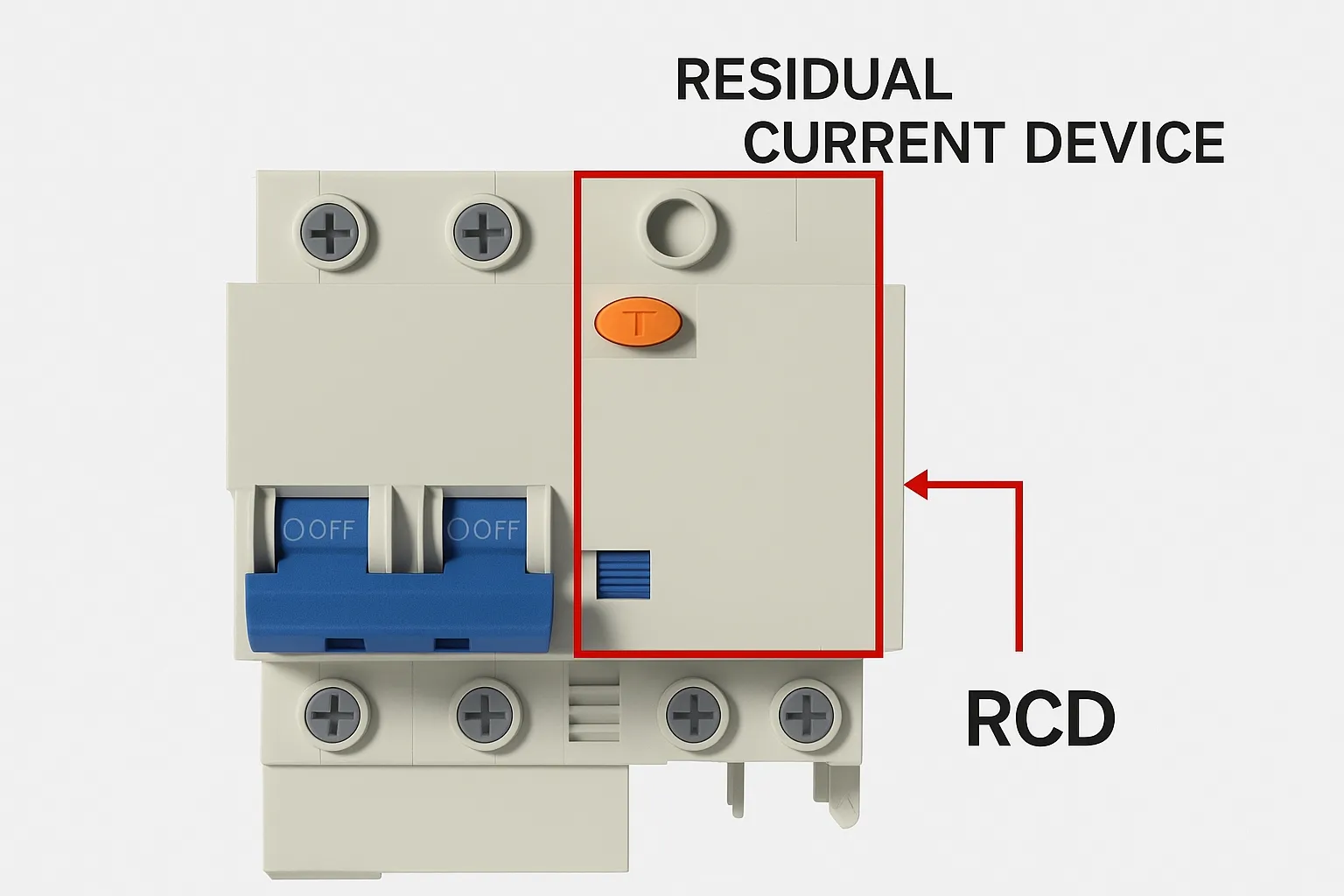
Because an RCD includes leakage detection, its physical size is typically larger than a standard air switch.
Difference from an air switch
Functionally, the RCD monitors the current difference between live and neutral. When a leakage current exceeds the set threshold, it trips the contacts and disconnects the circuit. Compared with a plain air switch, an RCD provides additional protection against earth leakage while still offering overcurrent and undervoltage protection.
Deciding to use RCDs for all circuits depends on the specific installation and safety requirements.
Choosing switches for the distribution board
There is no single correct choice for whether the main switch and branch switches in the distribution board should be RCDs or air switches. Selection should be based on the actual situation and the requirements for protection.
Why do breakers trip?
In summary, trips occur when the circuit experiences overload, short circuit, undervoltage, or earth leakage. Any of these conditions can cause a breaker to trip.
How to respond to a trip
First determine whether the trip was caused by an air switch or an RCD. Then follow the appropriate troubleshooting steps based on the actual condition.
Conclusion
Understanding the components and protection functions in a household distribution system helps identify why trips occur and how to respond to them safely.