ALLPCB


In virtual worlds, people can move through haze to experience a tropical island's blue sky and clouds; run along the Himalayas; or play a tennis match online with friends overseas. Developers aim for users wearing VR headsets to be quickly immersed in simulated environments that feel natural and convincing.
Computer Graphics
Computer graphics studies how to represent, compute, process, and display images on computers, as well as the related algorithms.
From a processing perspective, graphics generally fall into two categories: outlines composed of lines, such as engineering drawings, contour maps, and wireframe surfaces; and shaded images resembling photographs, commonly referred to as photorealistic graphics.
Simulation Technology
Simulation uses principles from control theory, systems theory, similarity theory, and information technology, with computers and dedicated equipment as tools to perform dynamic experiments on real or hypothetical systems. Examples include driving or flight simulators that apply simulation techniques.
3D Spatial Audio
Three-dimensional virtual audio enables users within a virtual scene to accurately judge the spatial position of sound sources, matching how people perceive sound in the real world. Virtual surround techniques can simulate surround sound with two speakers, but they are sensitive to listener position and cannot match a full home theater system.
Collision Detection
Because users interact with virtual environments and objects move relative to each other, collisions between objects are common. Collision detection determines whether two objects interact, ensuring the virtual world remains consistent and updating the scene output in time to avoid penetration artifacts.
Virtual reality systems demand high real-time performance, so collision detection must complete in very short intervals (for example, 30-50 ms). As a result, collision detection often becomes a bottleneck and is a major research area in VR and other real-time simulation systems.
3D Modeling
3D modeling typically refers to visual modeling and can be divided into geometric modeling, physical modeling, and behavioral modeling.
Common modeling tools include Autodesk's 3DS MAX and Maya, Dassault Systèmes' CATIA and SolidWorks, PTC's Pro/Engineer, and Siemens' UG (Unigraphics NX).
3D Display Technology
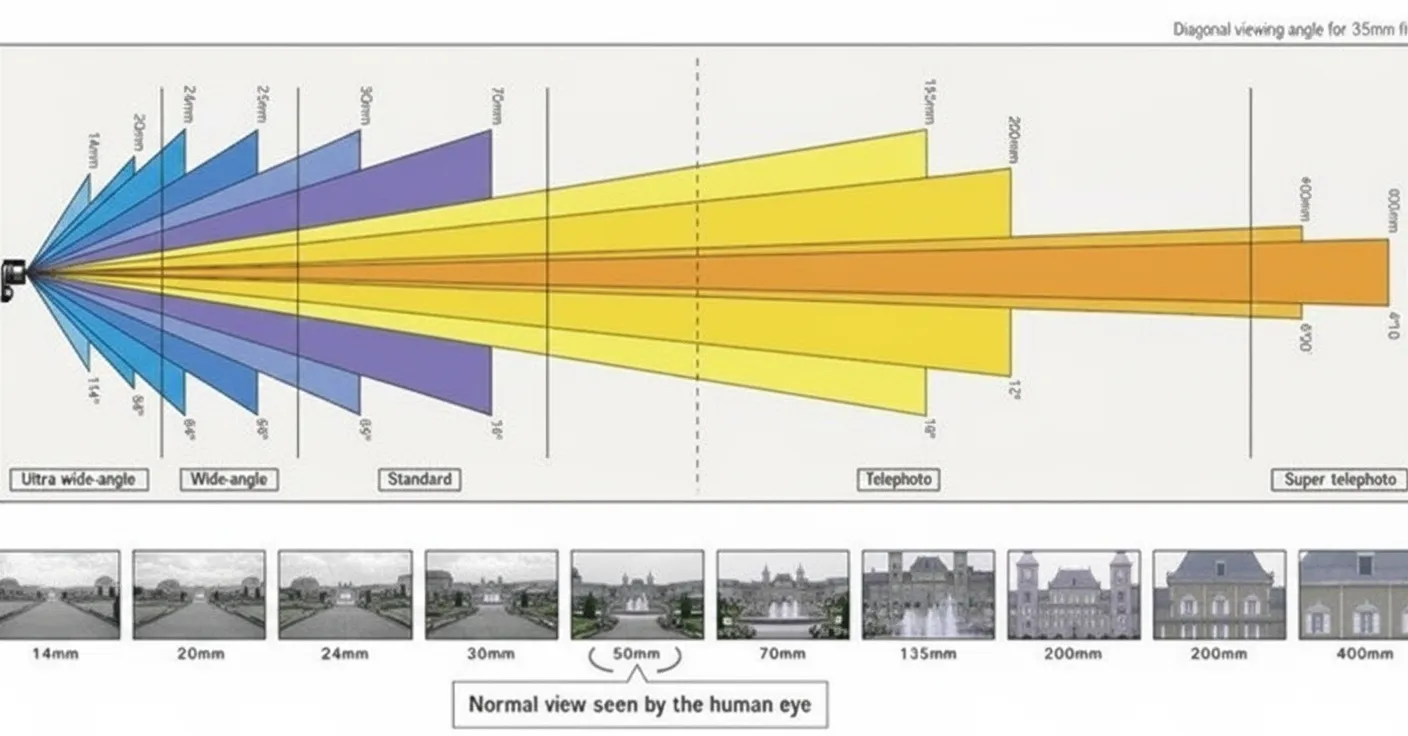
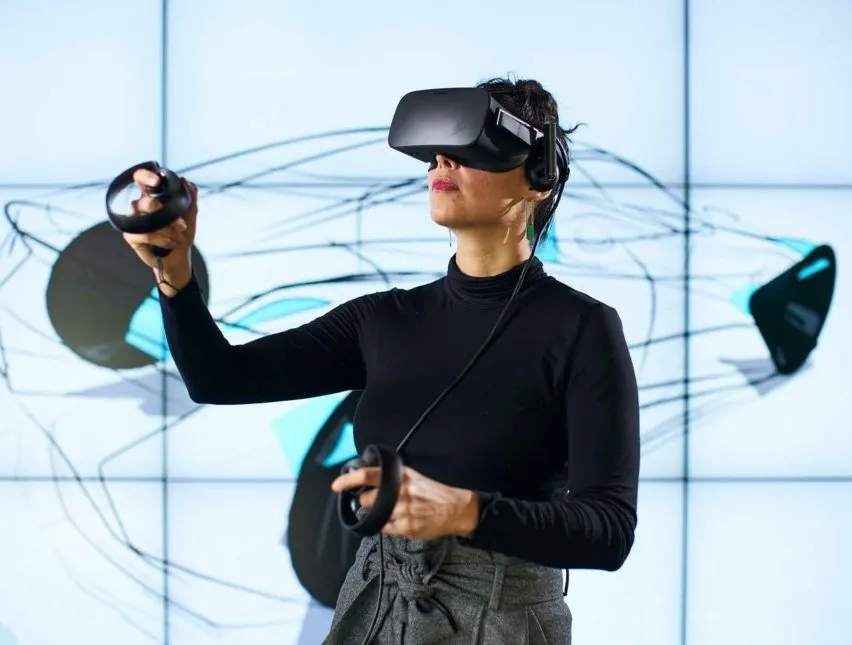
3D display technologies are mainly hardware-related, such as stereoscopic projection systems, stereoscopic displays, VR helmets, and VR glasses.
Haptic Feedback
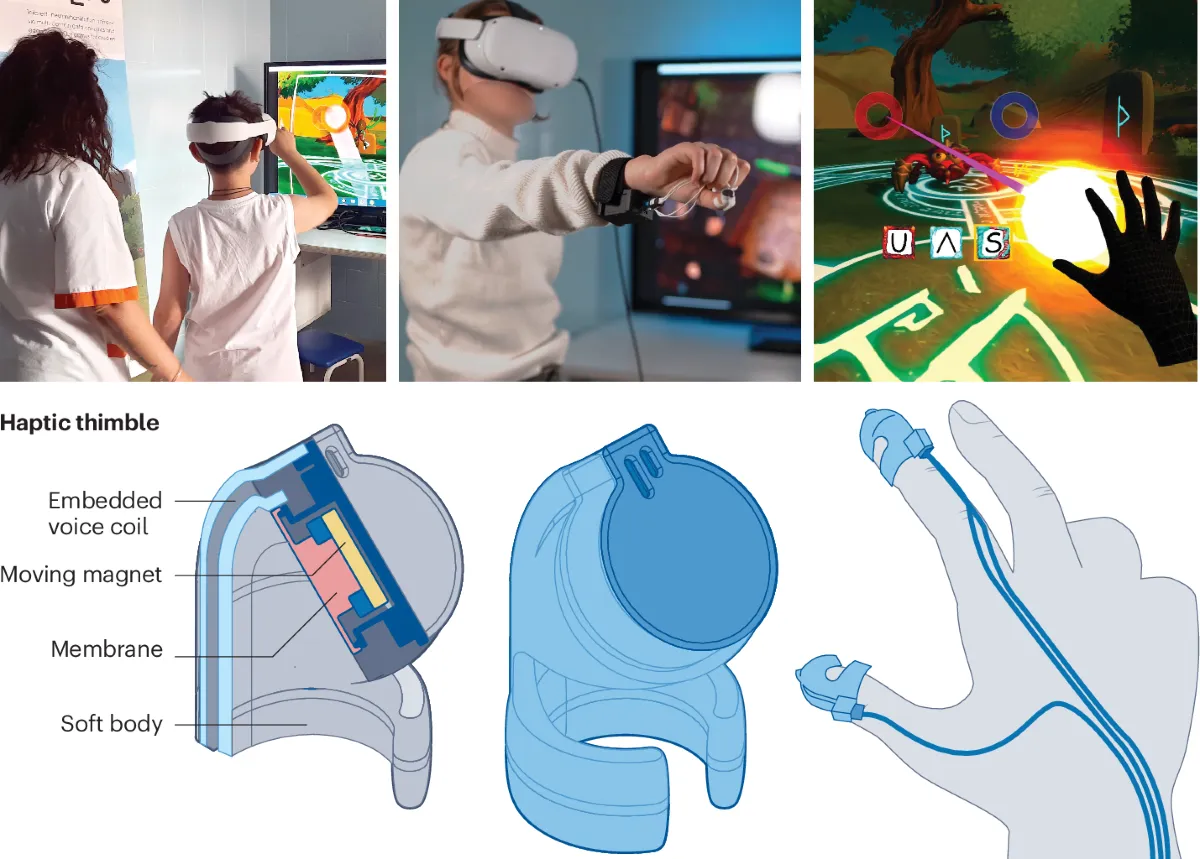
Haptic feedback relates to interaction experience. It is primarily implemented through high-precision motors and sensors to simulate touch. Examples range from basic vibration feedback in game controllers to advanced devices for physical rehabilitation, industrial assembly and maintenance simulators, and remote medical applications.
Motion Capture
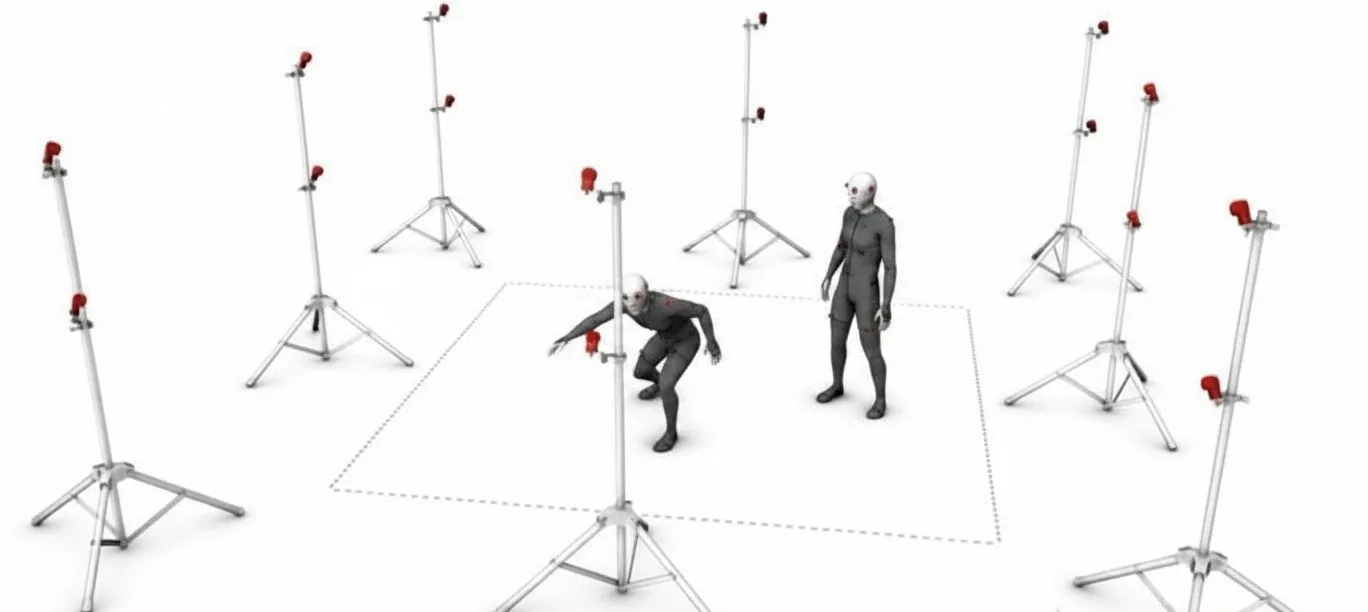
Motion capture provides data that computers can directly interpret, such as body measurements and object positions and orientations in physical space. Trackers are placed on key points of moving objects; a motion capture system records tracker positions and computes three-dimensional coordinates.
From a principle standpoint, common motion capture technologies include mechanical, acoustic, electromagnetic, active optical, and passive optical systems.
Environment Modeling
Environment modeling establishes virtual environments by acquiring three-dimensional data of real scenes and building corresponding virtual environment models based on application needs.
Stereophonic Synthesis and Stereoscopic Display
These techniques remove the dependence between sound direction and head movement and generate stereoscopic imagery in real time for complex scenes. Stereoscopic display is a key VR technology because it increases immersion and makes simulations more realistic.
Currently, stereoscopic viewing often requires auxiliary devices such as 3D glasses. With rising demand for better viewing experiences, the transition from non-autostereoscopic to autostereoscopic solutions is an important development trend. Representative approaches include color-separation, polarization, time-sequential, lenticular (parallax barrier), and holographic displays.
Interaction Technologies
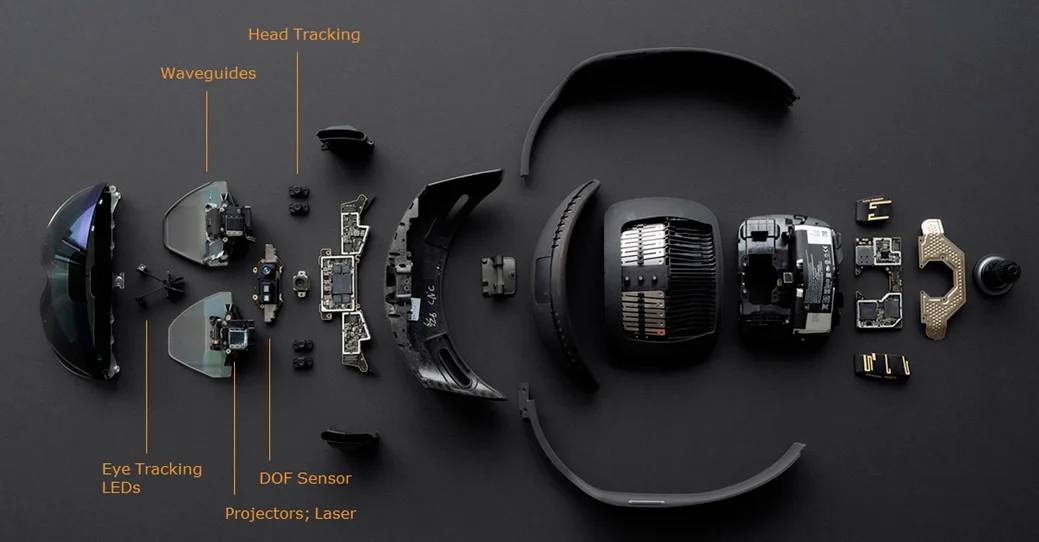
Within a computer-provided virtual space, users can interact naturally using vision, hearing, touch, gestures, and voice. Common interaction technologies in VR include gesture recognition, facial expression recognition, eye tracking, and speech recognition.
System Integration
VR systems involve large amounts of sensory data and models, making system integration critical. Key integration technologies include information synchronization, model calibration, data conversion, and recognition and synthesis methods.
Dynamic Environment Modeling
Dynamic environment modeling is central to VR. Its goal is to acquire 3D data of real environments and construct virtual models tailored to application requirements.
Three-dimensional data can be obtained using CAD for structured environments, while many environments require non-contact visual modeling techniques; combining both approaches improves data acquisition efficiency.
Real-time 3D Rendering
Although 3D rendering techniques are mature, achieving real-time performance is the main challenge. To be perceived as real-time, the refresh rate should be at least 15 frames per second and preferably above 30 fps. Research focuses on increasing refresh rates without reducing graphical quality or scene complexity.
Stereoscopic Display and Sensor Technology
VR interaction capability depends on advances in stereoscopic display and sensor technology. Current systems still fall short of requirements: data gloves suffer from high latency, low resolution, limited range, and usability issues; tracking accuracy and range of VR devices also need improvement, necessitating development of new 3D display technologies.
Realistic Real-time Rendering
Generating a virtual world requires not only realistic stereoscopy but also real-time production, which depends on realistic real-time rendering techniques. These methods aim to produce photorealistic images within time constraints imposed by current graphics algorithms and hardware.
"Realistic" covers geometric realism, behavioral realism, and lighting realism. "Real-time" includes real-time computation and dynamic drawing of moving objects' positions and orientations, update rates sufficient to avoid visible flicker, and immediate system responses to user input with synchronized scene updates and events.
When the user's viewpoint changes, rendering speed must keep pace with viewpoint changes to avoid latency effects.