ALLPCB


Background
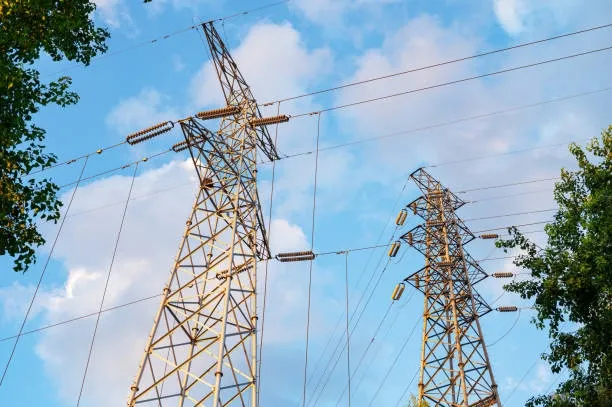
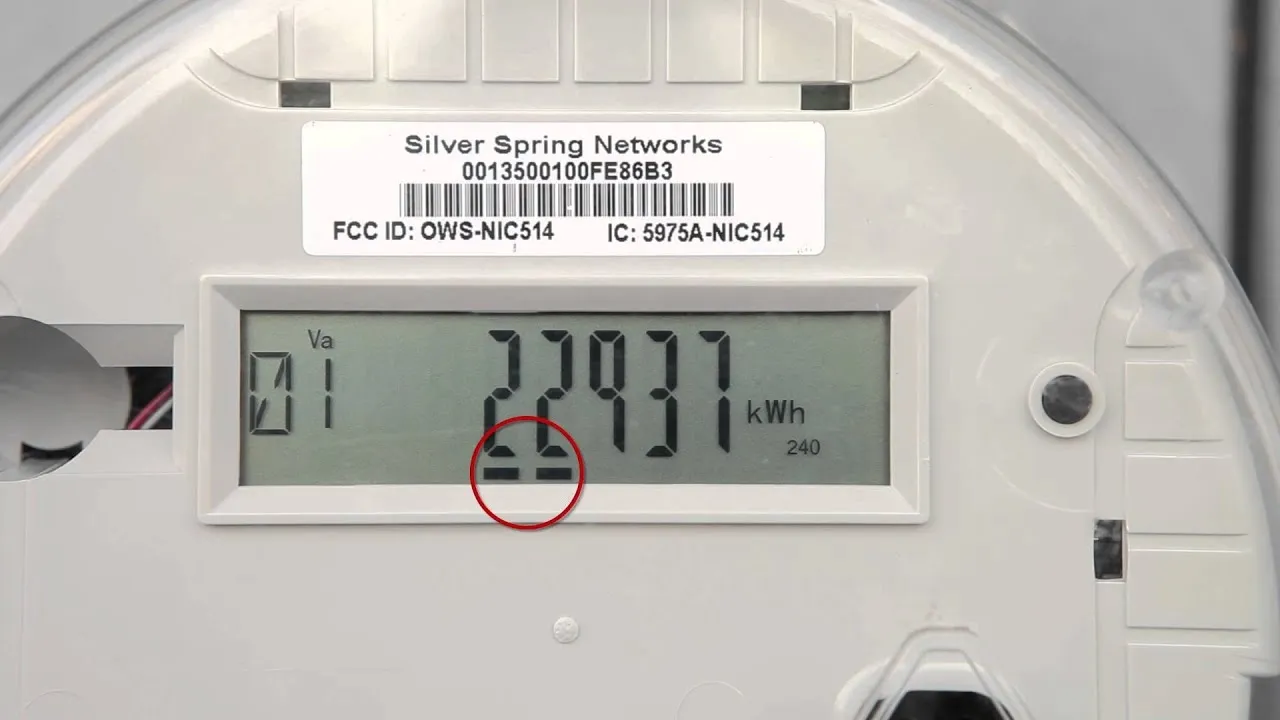
Over the past few years, the power grid has undergone significant changes and is moving toward smart operation. In practice, a power grid delivers electricity from generation sites to end users via power lines. Residential meters measure consumption so users can be billed for their electricity usage.
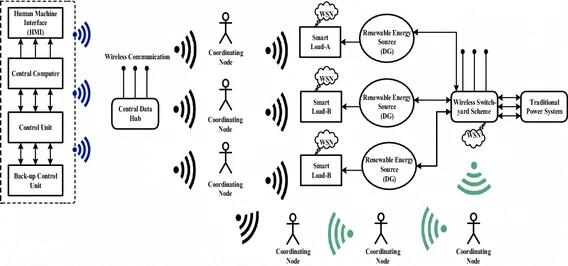
Since homes are already connected to generation sites via the power-line network, that same connection can be used to carry information in parallel with power. This is the basis of smart grid communication.
Metering Implementation
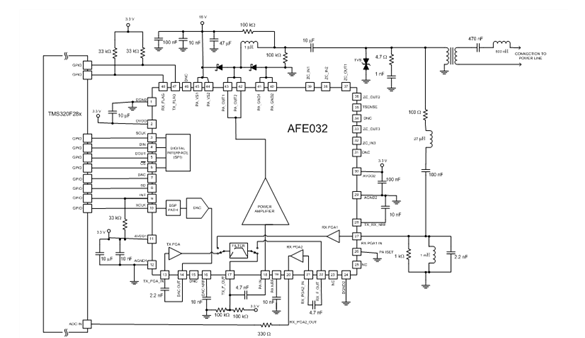
Metering companies use OFDM and other noise-resistant modulation schemes. Microcontrollers such as Texas Instruments C2000TM MCUs manage the physical layer protocol, while dedicated analog front end transmitters such as AFE032 inject signals onto the power line, allowing meters to report usage data back to utilities in real time.
With this arrangement, utilities can automate consumption measurement and adjust generation in response to demand.

Technical Challenges
Practical metering designs must meet specific emission standards to avoid interfering with other communication methods, such as radio or high-frequency links. These standards vary by region, which increases design complexity. In addition, designing a power amplifier capable of delivering a 21 Vpp swing and more than 1.5 A is an engineering challenge.
Few single-chip ICs can simultaneously provide those output levels while keeping total harmonic distortion plus noise below 0.003%. Discrete designs can meet these requirements but typically require more than 20 discrete components, which increases board area and design effort. This motivates the use of integrated analog front ends for compact implementations.
AFE032 Capabilities
The AFE032 is designed to be deployable worldwide. Its integrated power amplifier transmits signals over dedicated power networks. The power amplifier is a critical element: transmitting analog OFDM signals over low-impedance power lines requires a specially designed amplifier capable of long-distance propagation.
Key specifications include:
- Output swing up to 21 Vpp;
- Output current up to 1.5 A (typical);
- High bandwidth at gains of 6.5 V/V or higher (AFE032: 3.82 MHz);
- High slew rate at 6.5 V/V gain (AFE032: 75 V/us).
AFE032 also integrates several adaptive dynamic filters to clean the output signal, reduce interference with other communication modes, and help meet regulatory requirements in different deployment countries.
These capabilities allow deployment with minimal modification across different regions.
Combined with C2000 MCUs, the front end can be configured to transmit over power networks in Japan, France, or the United States with only minor changes to meter hardware and electrical configuration, enabling a single-meter design for multiple smart grid schemes.
Applications and Outlook
Powerline communication is extending beyond smart grids into building automation, lighting control, and smart appliances. These applications treat the electrical network within each residence or building as a communication and control medium. Highly configurable integrated analog front ends are positioned to meet the evolving technical requirements of these use cases.