ALLPCB


What is pattern recognition
Pattern recognition is a foundational technology for artificial intelligence. The 21st century is characterized by increasing intelligence, information processing, computation, and networking. As a foundational discipline of artificial intelligence, pattern recognition is expected to see significant development.
Pattern recognition has developed since the 1920s. A common view is that no single model or single technique can solve all pattern recognition problems. What we have are a set of tools that must be combined to address specific problems. Statistical and syntactic approaches should be combined, statistical or syntactic pattern recognition should be integrated with heuristic search from artificial intelligence, and with machine learning methods such as support vector machines. Artificial neural networks should be combined with existing techniques and with AI methods such as expert systems and uncertain reasoning. It is important to understand each tool's capabilities and potential, and to combine strengths to advance practical applications of pattern recognition.
Common pattern recognition techniques
There is no single model that fits all pattern recognition problems. Current practice is to use a toolbox approach, combining statistical methods, syntactic methods, machine learning, neural networks, expert systems, and uncertain reasoning methods to address specific tasks.
1. Speech recognition
Speech recognition is becoming a key human-machine interface technology, and its applications form an emerging high-technology sector. A market forecast by a Chinese internet research center estimates that, over the next five years, the Chinese-language speech technology market could exceed 40 billion RMB and then grow at an annual rate above 30%.
2. Biometric authentication
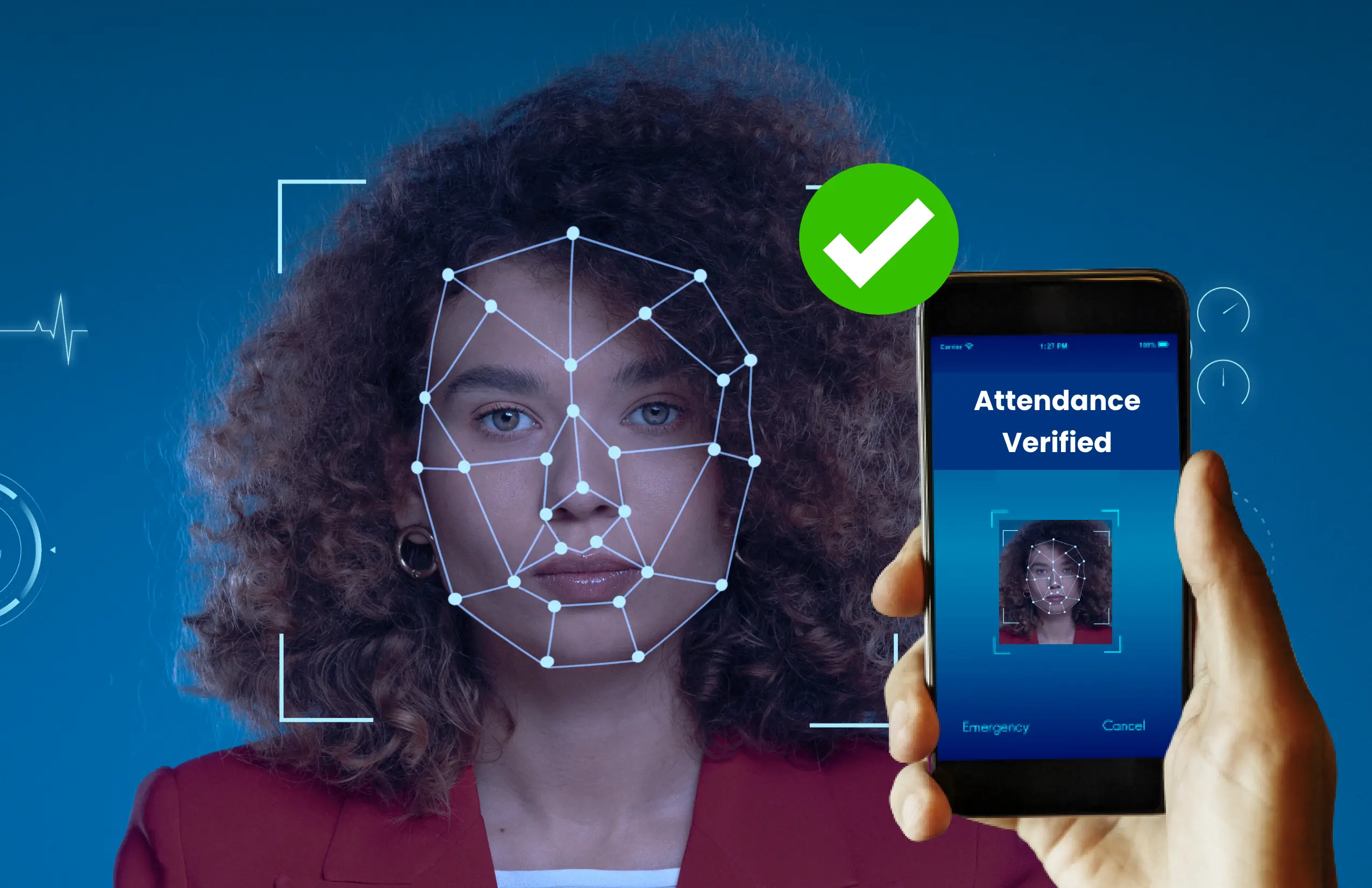
Biometric authentication is one of the most prominent authentication technologies of this century, driven by the trend of using inherent biological traits for identity and security instead of passwords or magnetic cards. The International Data Corporation (IDC) predicts that biometric technologies, as core technologies for mobile e-commerce infrastructure, could reach a market scale of $10 billion over the next decade.
3. Voiceprint recognition
In recent years, voiceprint recognition has attracted attention in the biometric field due to its convenience, cost-effectiveness, and accuracy, and is increasingly used as a common security method. Methods that train continuous hidden Markov models using genetic algorithms have become mainstream for speech recognition, offering relatively fast recognition speed and high accuracy.
4. Fingerprint recognition
Skin ridges on palms, fingers, feet, and toes form unique patterns, including differences in patterns, breaks, and intersections. These unique features allow fingerprints to be matched to an individual by comparing a captured fingerprint with stored templates. Fingerprints are generally categorized into major classes such as left loop, right loop, twin loop, whorl, arch, and tented arch, which enables classification and retrieval. Fingerprint recognition typically involves preprocessing, feature selection, and pattern classification steps.
5. Digital watermarking
Digital watermarking, which began to develop internationally in the 1990s, is a promising technique for digital media copyright protection. IDC projected that the global market for digital watermarking could exceed $8 billion within five years of that projection.
Applications of pattern recognition
Pattern recognition is applied in text and speech recognition, remote sensing, medical diagnosis, and other domains.
1. Text recognition
Chinese characters have a long history and are used by the largest population in the world. As information technology and computers become more widespread, efficient text input remains a key human-computer interface challenge and affects whether computers can be widely adopted in China. Chinese text input is mainly divided into manual keyboard input and automatic recognition input. Manual typing is slow and labor-intensive. Automatic input includes recognition of printed and handwritten Chinese characters, and speech-based input. From a difficulty perspective, recognizing handwritten text is harder than recognizing printed text, and offline handwriting recognition is more difficult than online handwriting recognition. To date, apart from practical applications for offline numeric handwriting recognition, offline handwriting recognition for Chinese characters remains largely at the laboratory stage.
2. Speech recognition
Speech recognition spans signal processing, pattern recognition, probability theory and information theory, phonation mechanisms and auditory mechanisms, and artificial intelligence. As noted above, voiceprint recognition has gained attention for its convenience and accuracy, and approaches that train continuous hidden Markov models with genetic algorithms are widely used.
3. Remote sensing
Remote sensing image recognition is widely used for crop yield estimation, resource exploration, weather forecasting, and military reconnaissance.
4. Medical diagnosis
Pattern recognition has achieved results in cancer cell detection, X-ray image analysis, blood tests, chromosome analysis, electrocardiogram diagnosis, and electroencephalogram diagnosis.