ALLPCB


Overview
Smart grid is a power system based on information technology, communication technology, and advanced control technology. It includes the following core elements.
Core elements
Intelligent sensing
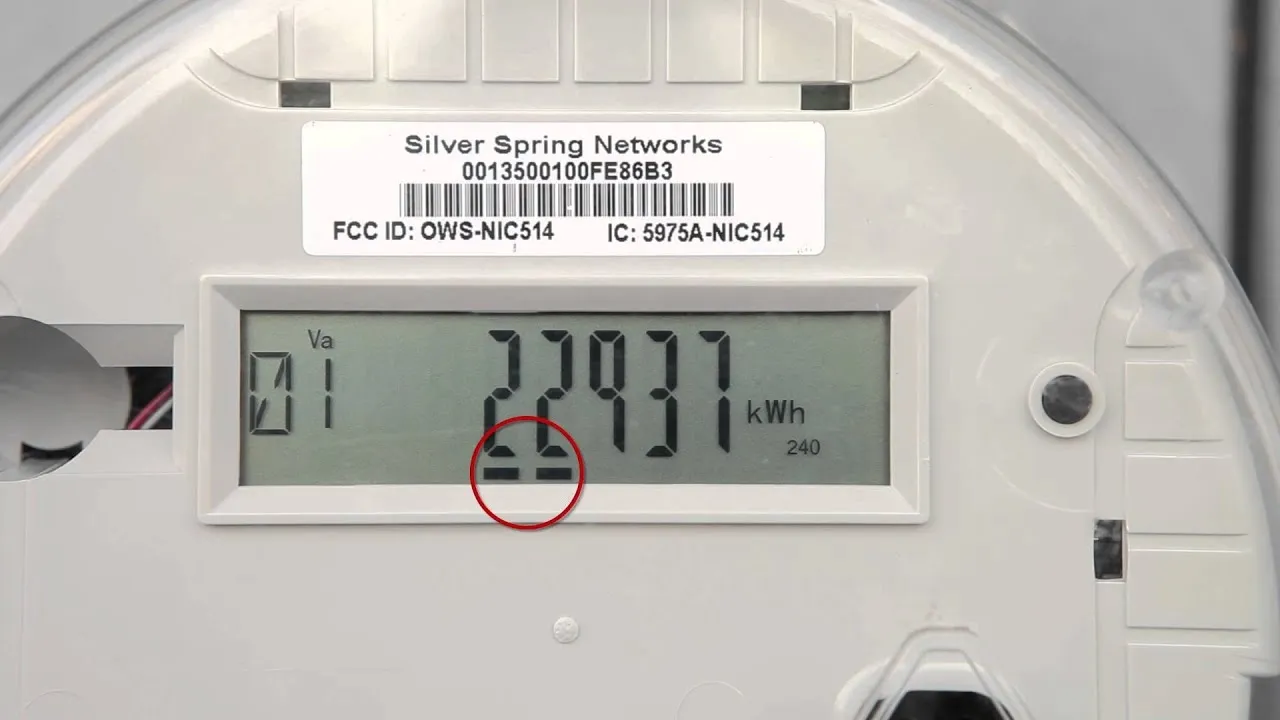
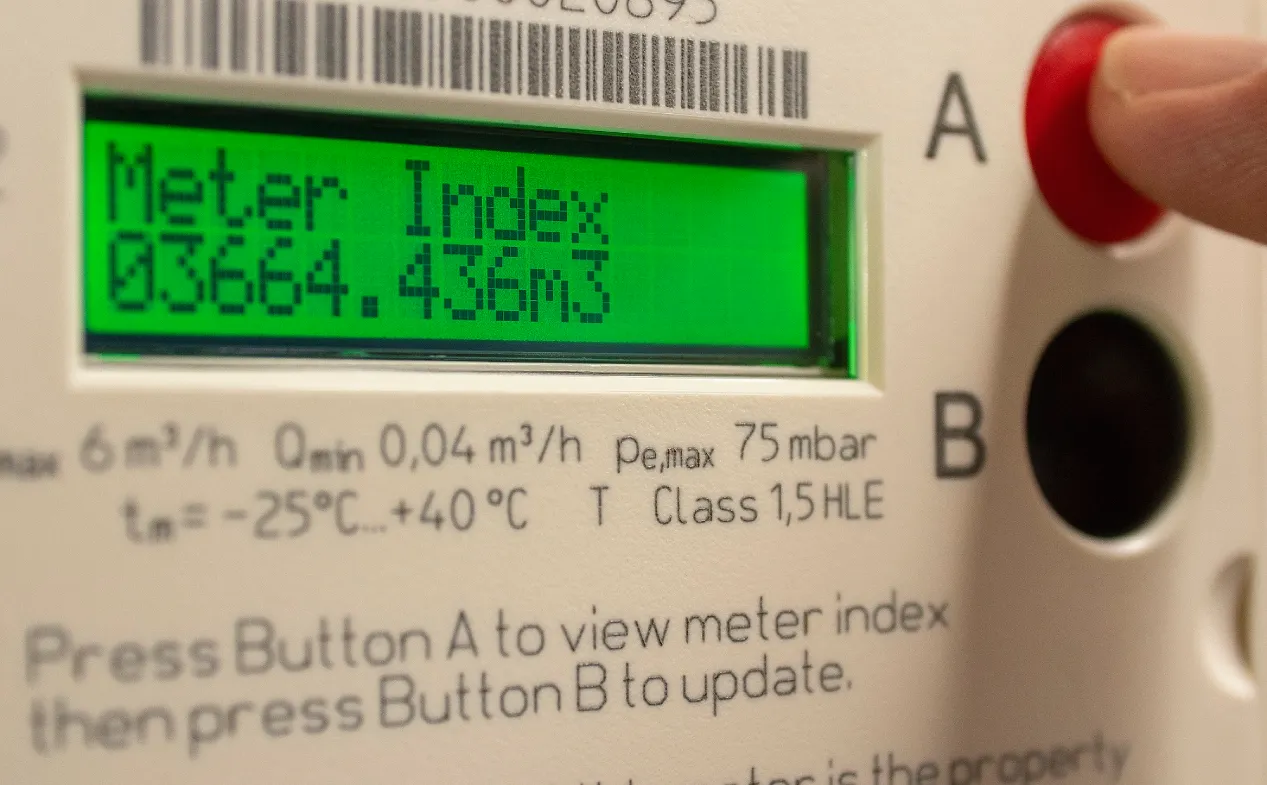
The smart grid uses various sensing technologies, such as sensors, smart meters, and wireless communication, to monitor equipment and energy in real time. This provides comprehensive operational data for subsequent analysis and decision making.
Intelligent transmission
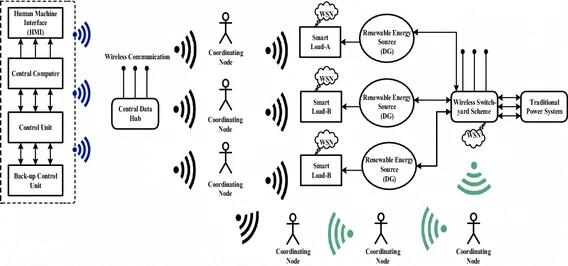
The smart grid uses high-speed, reliable communication networks to transmit power system information quickly and enable data sharing. This supports coordinated operation of devices and improves system efficiency and reliability.
Intelligent dispatch
The smart grid integrates optimization and dispatch algorithms to enable intelligent scheduling and optimization of the power system. This supports precise electricity use, better supply and demand balance, and improved economic performance.
Intelligent control
The smart grid applies advanced control technologies to perform real-time monitoring and analysis, enabling intelligent control of equipment and energy and ensuring efficient, stable, and safe operation.
Renewable integration
The smart grid includes technologies for integrating distributed renewable generation, enabling management and dispatch of distributed resources. This improves renewable utilization, reduces peak loads and carbon emissions, and supports sustainable development.
Distinctive characteristics
Compared with traditional grids, smart grids have the following characteristics:
- Intelligence: Use of advanced information and control technologies for comprehensive sensing, intelligent dispatch, and control to achieve efficient, safe, reliable, and sustainable operation.
- Energy storage: Deployment of efficient storage technologies, such as battery storage and supercapacitors, to smooth peak and valley loads and improve power quality while reducing peak load and emissions.
- Renewable integration: Better management and dispatch of distributed energy resources to enable efficient use and integration of renewable generation.
- Security: Implementation of robust protection and emergency measures to safeguard system stability and prevent grid incidents.
- Flexibility: Ability to adapt to changing user demand and market conditions through flexible scheduling and optimization to improve efficiency and economics.
Power energy storage methods
Energy storage refers to converting electrical energy into other forms for storage and later use. Common energy storage methods include the following:
- Battery storage: Batteries are the most common energy storage method, storing electrical energy through chemical reactions for long-term storage and release. Batteries are widely used in electric vehicles, solar and wind power systems.
- Supercapacitor storage: Supercapacitors are high-performance storage devices capable of rapid charge and discharge, with high power density and long cycle life. They are used in electric vehicles and grid peak shaving.
- Superconducting storage: Superconducting energy storage relies on superconductors' low resistance to store electrical energy. It offers high energy density and long life but requires very low temperatures and costly superconducting materials.
- Compressed air energy storage: This method converts electrical energy into compressed air stored in tanks. It can offer high power capacity and relatively low cost but suffers from energy losses and environmental considerations.
- Gravity storage: Gravity-based storage converts electrical energy into gravitational potential energy by lifting masses to higher elevation. It can provide high energy density and long life but requires solutions for mass handling and safety.
Each storage method has specific advantages and limitations, and the choice depends on the application scenario.