ALLPCB


Overview
Smart wearables adopt artificial intelligence to provide anticipatory services via backend servers, but several technical and product challenges must be addressed for better user acceptance and reliability.
1. Component quality, battery and power
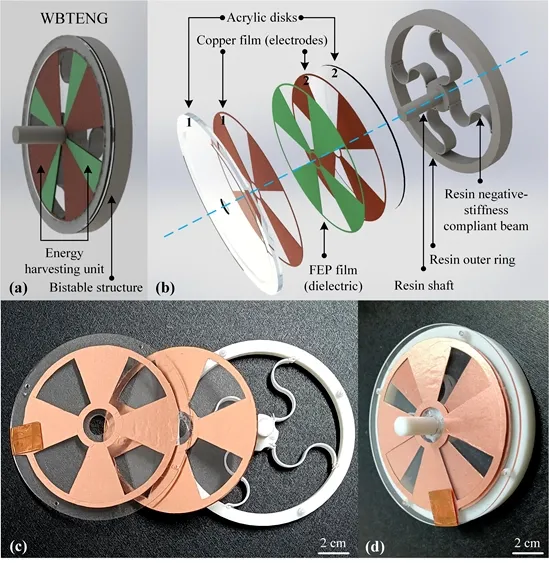
Component quality, performance, size, and materials determine device function and user experience. The most direct factor for users is the battery. Poor battery life and frequent charging lead to user dissatisfaction. To reduce power consumption, designers can balance performance against power use and make tradeoffs. Another direction is new power sources, such as harvesting energy from the human body and converting it to electrical power.
2. User experience and interaction
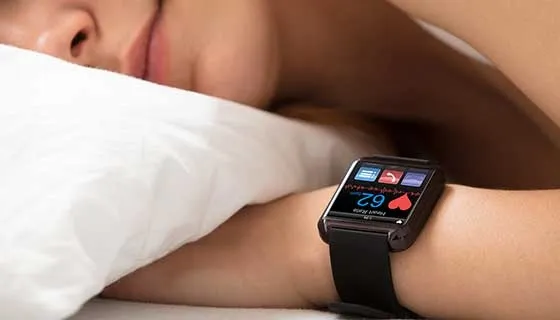
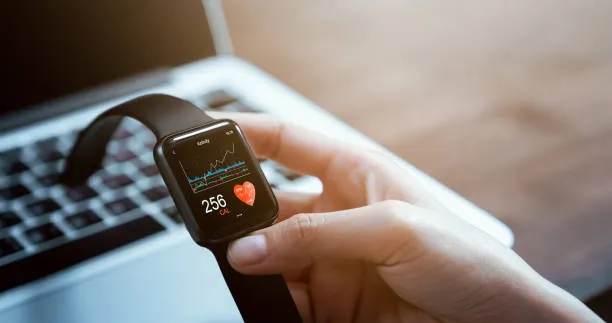
Visual aspects of the user experience are relatively easier to satisfy for most users. The harder problem is interaction and functionality. For wearable devices like bands and watches, a device without a screen often provides a poor user experience and feels like a passive data collector. Users typically need a phone or computer to view analyzed results, which degrades the experience. For small screens where touch sensing is ineffective, alternative interaction modalities such as voice or eye gestures can make interaction more natural. Regarding feature sets, large all-purpose devices either consume more power or leave many features unused; focused, specialized devices that solve one or two user pain points can be a better approach.
3. Data accuracy and service integration
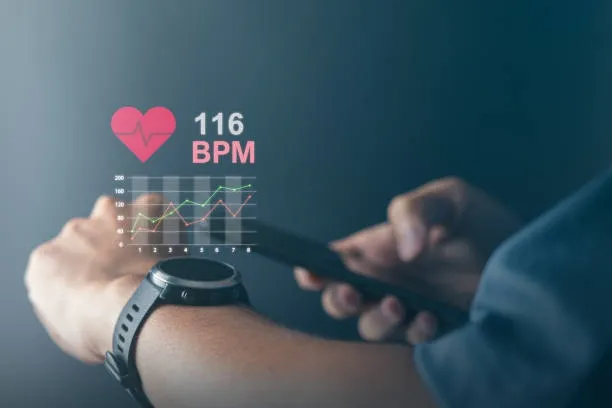
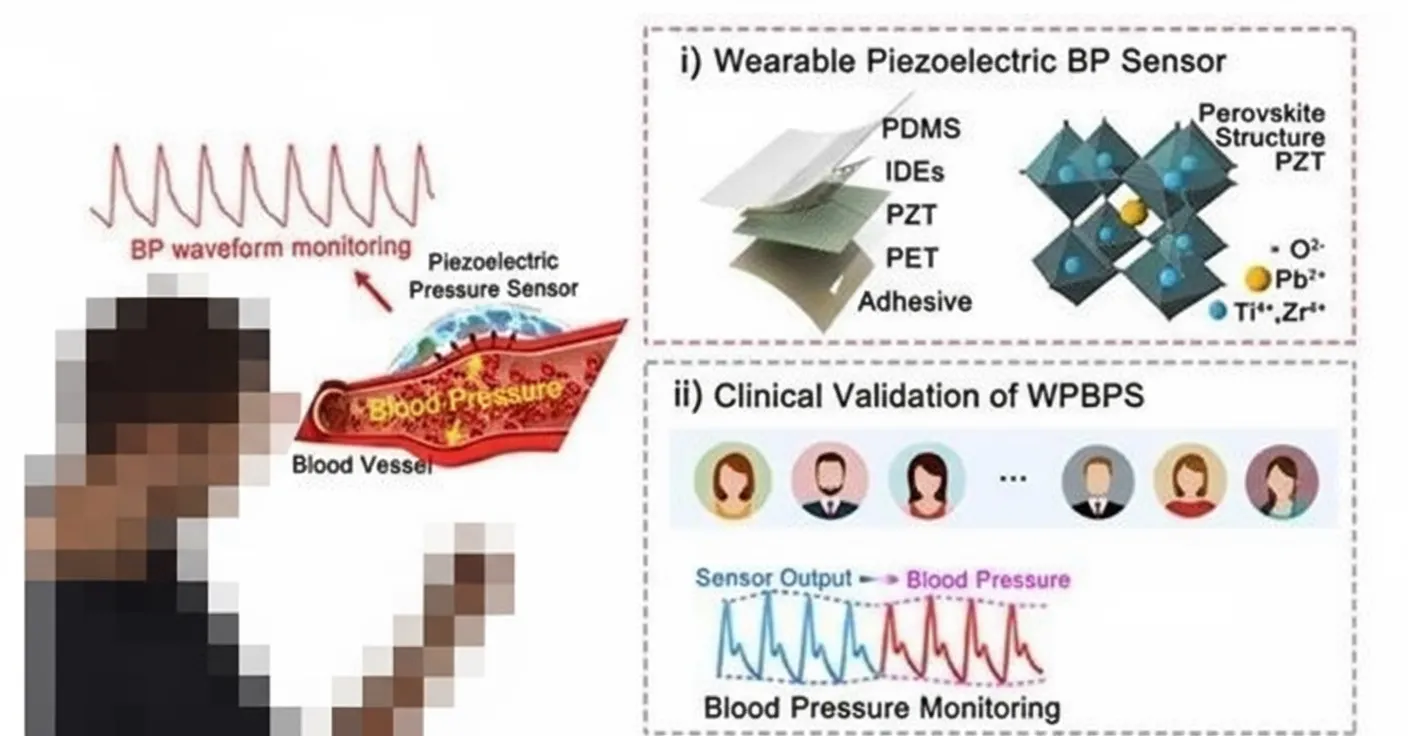
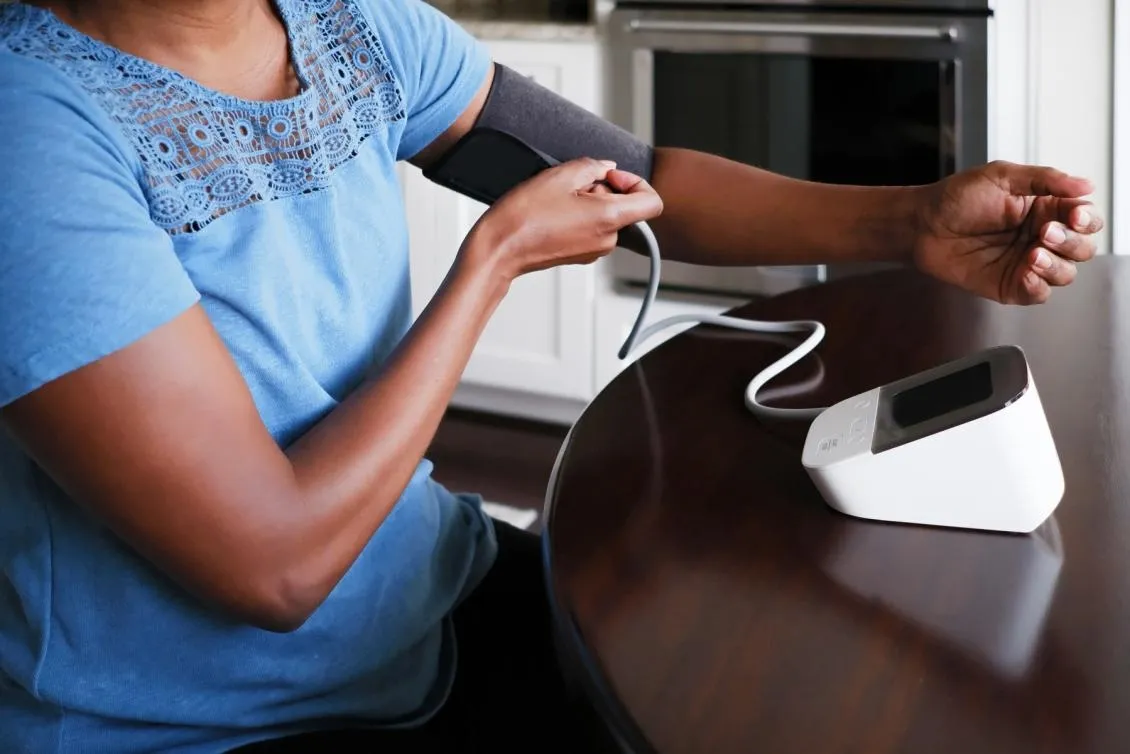
The intrinsic value of a wearable lies less in the device itself and more in the data collected and the services built on that data. Deeper, vertical applications usually deliver greater value. Users want actionable results and solutions rather than raw data, since many users do not interpret raw metrics. Inaccurate data reduces user trust, and inaccurate health-related measurements such as heart rate or blood pressure can have serious consequences. If the data are inaccurate, any analysis or solutions based on that data are unreliable. Certification or validation from recognized health authorities or clinical bodies can significantly increase user confidence for devices that monitor chronic conditions.
4. Touch technology
Touch is a natural connection between people and intelligent devices and remains a central part of human-machine interaction for smartwatches. For example, some smartwatches use Synaptics ClearPad capacitive touch controllers because they are mature, reliable, and low power while offering high sensitivity, including acceptable performance with wet fingers. Designers may require classic circular watch dials, and some touch-controller vendors support fully circular touch interfaces.
5. Pressure-sensitive touch
Pressure-sensitive touch entered public awareness with Force Touch on smartwatches, enabling devices to distinguish light and hard presses to trigger different functions and enrich touch interaction. 3D Touch extended this concept by adding a hard-press dimension. Devices such as the iPhone 6s support three pressure layers: light tap, light press, and hard press, offering greater sensitivity than earlier smartwatch implementations. Pressure-sensitive technologies can adjust scroll speed and zoom scale, enable continuous game controls, and provide different editing modes for text or photos, helping device makers differentiate products.
6. Battery innovation
For wearables to achieve wider adoption comparable to smartphones and tablets, batteries must be smaller, longer lasting, thinner, and more flexible. Ultra-thin flexible batteries, such as 3 mm-thick designs, aim to increase energy density by minimizing enclosure width. Flexibility and thinness make these batteries suitable for devices like necklaces and clothing. Strap-mounted batteries that integrate into watch bands can increase device capacity by around 50%. Flexible cells that fit into small radii, for example a 15 mm enclosure, reduce battery volume and enable freer watch designs. Advances in battery form factors expand design possibilities for future smartwatches and other wearables.