ALLPCB


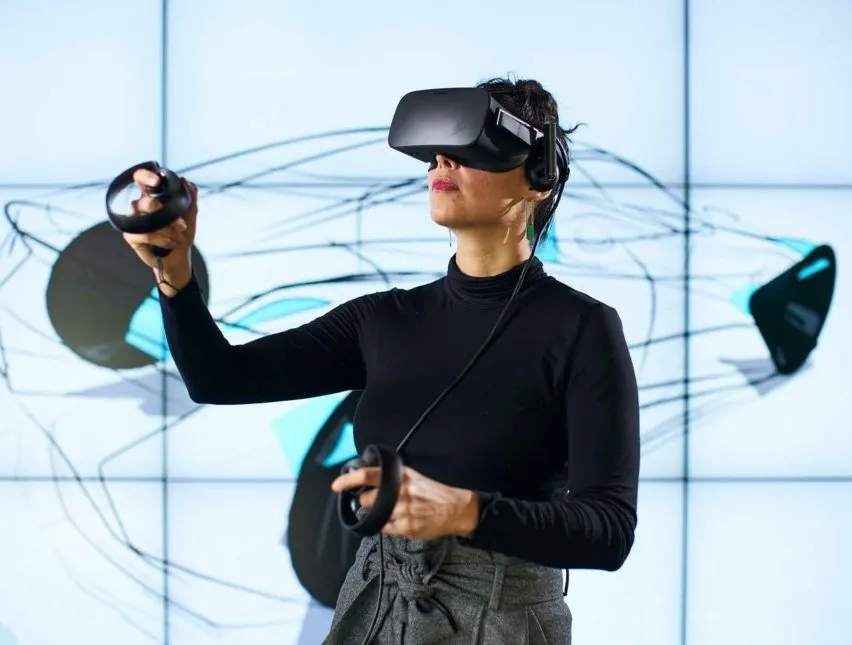
Virtual reality (VR) plays an important role in many areas of daily life. Over the years, VR integration into classrooms has introduced new tools that help teachers provide better learning experiences. VR has been influential in this area. The following are several contributions VR makes to education systems.
Virtual field trips
VR can make learning more engaging in many ways, one of which is virtual field trips. These experiences have quickly become a prominent application of VR learning because students can be taken to locations around the world without leaving their seats. During a geography or history lesson, for example, a teacher can introduce a place and its significance while students actually see what is being described. This immersive exploration is an effective way to teach learners of any age and makes learning more interesting.
Improving practical skills
VR helps strengthen and improve education by giving students opportunities to apply the skills they are learning in realistic, everyday scenarios. Law students, for instance, have reported significant benefits from VR simulations of real trials. Other fields are likely to adopt similar VR-based practice to provide hands-on experience in a controlled environment.
Remote learning
One major advantage of VR in education is that it can help people attend classes regardless of location. Many learners lack access to in-person courses, but they can enroll in VR-delivered classes online. One example is the Stanford Graduate School of Business, which offers a certificate program that can be delivered entirely through VR. The ability to view lectures remotely helps reduce barriers to education and is an area that may see broader adoption.
Game-based learning techniques
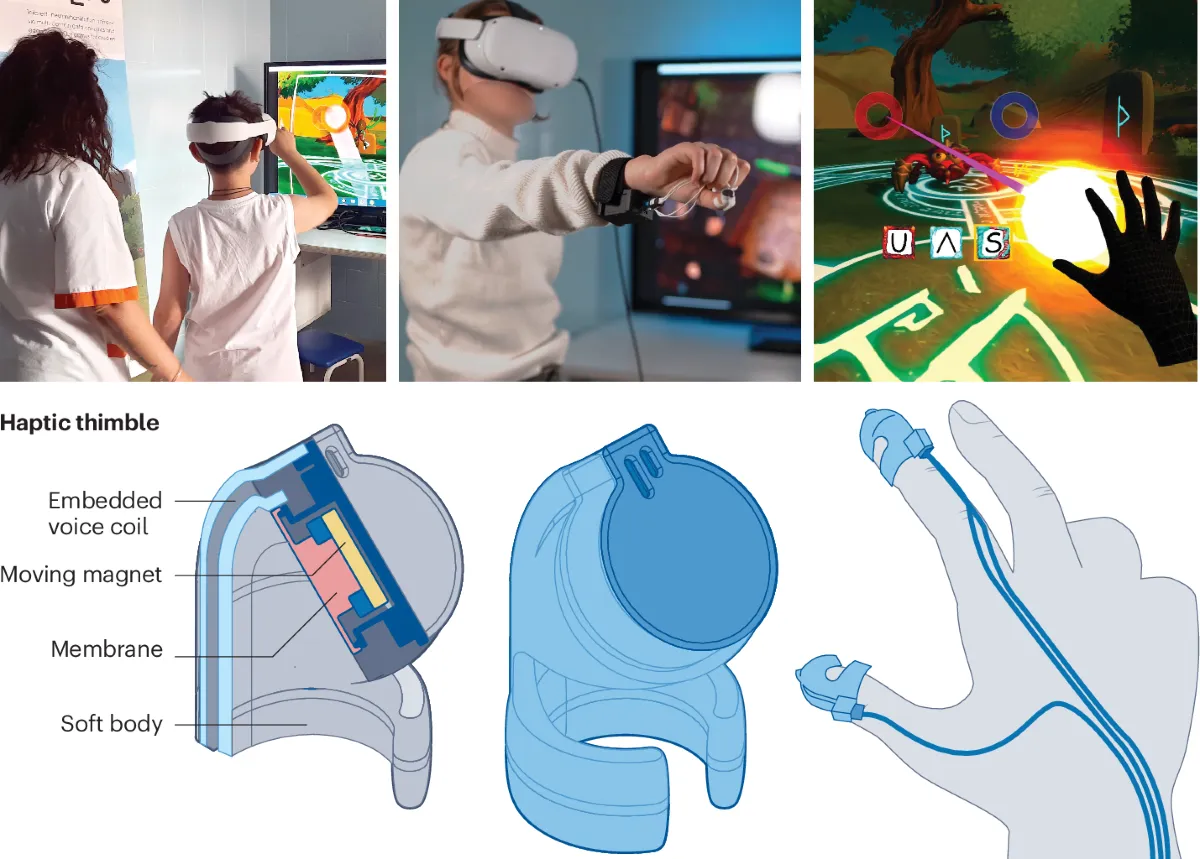
Teaching children through play is well established. VR enables teachers to interact with students through game-like experiences, delivering instruction within interactive simulations or by adapting games to meet learning objectives. Interactive and haptic games can help learners remember events they encounter in virtual environments, which supports memory retention and improves learning outcomes for adolescents.
Conclusion: changing how we approach education
Although full integration of VR into education still has challenges to address, its applications in teaching and learning have advanced significantly in recent years. VR education systems can make learning more engaging and offer learners opportunities to acquire new skills without the tedium associated with some traditional methods.