ALLPCB


Introduction
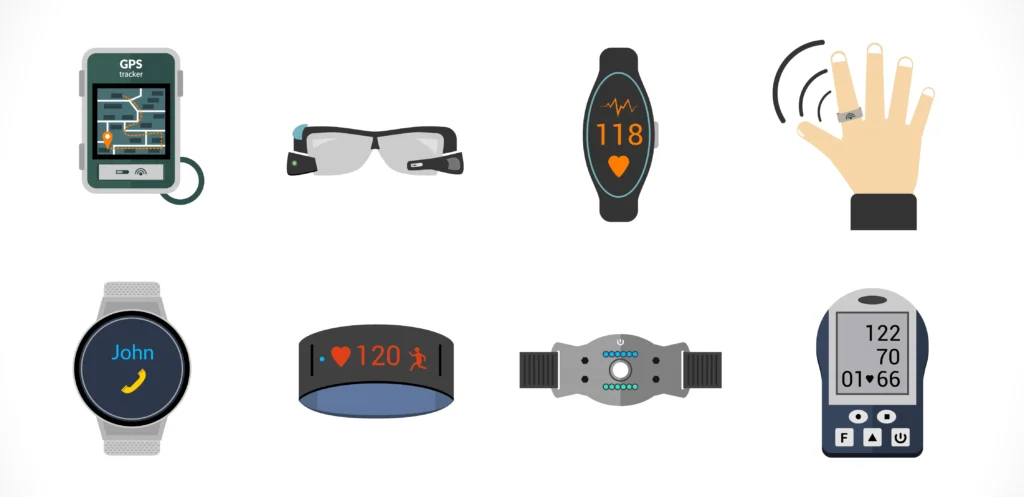
Smartwatches and wearable technologies are at different stages of development, but multiple technologies can work together to make them smarter.
The Internet of Things (IoT) is one such technology. It enables devices to communicate over networks and helps make the most of available resources and data.
In the current wearable market, Apple Watches lead the sector, and other manufacturers such as Samsung also perform strongly.
Early examples of wearables
Wearable technology is not limited to smartwatches. Its history can be traced back to the 1950s, when Sony introduced the TR-55 radio. The concept of a handheld design influenced many modern devices.
Another landmark product was the Walkman, released in 1979. The Walkman changed how people listened to music on the go. Since its launch it sold more than 200 million units and helped pave the way for more complex but capable wearable devices.
In the 21st century, wearable devices became more practical and user-friendly, with products such as Bluetooth headsets, Fitbits, and the Nike iPod emerging.
Wearable technology entered a period of rapid expansion after 2010. Google Glass appeared in 2013, Apple released the Apple Watch in 2015, and Oculus launched the Oculus Rift headset in 2016.
Reviewing this history helps explain how wearables that adopt IoT technologies may develop in the future.
IoT: a catalyst for wearables
The world is increasingly interconnected. People can communicate with others around the globe without being physically present, and the internet provides a large pool of data that can be used to improve the surrounding environment.
Nearly half the world's population now uses smartphones, and that number is expected to grow in coming years. HP has estimated that by 2025 there will be more than 1 trillion connected devices worldwide.
IoT technology is central to this trend. With IoT, devices connect via wireless or wired networks, changing how data is shared and how systems operate. With the right information, network efficiency can be improved. Peer-to-peer communication can be automated to achieve desired levels of trust and efficiency, enabling machine-to-machine communication (M2M). This capability has applications in transportation, energy saving, and other sectors.
Smartwatches are part of the expanding IoT ecosystem. If development proceeds as expected, future devices may offer capabilities that go beyond current-generation smartwatches.
Wearable technology is still in its early stages. Other technologies such as artificial intelligence and blockchain are also developing rapidly. As these technologies mature, they will influence how wearables evolve.
IoT has a major impact on wearables because it allows devices to connect using available modalities such as WiFi or Bluetooth. However, adoption of IoT in wearables faces challenges. Usability is one of the primary issues that must be addressed before IoT and wearable technologies can work together to improve user experience.
How wearables and IoT may develop
Researchers expect continued improvement. Use cases for wearables are growing in banking, finance, transportation, healthcare, and security, but success in many of these areas depends on IoT adoption. As wearable devices become more versatile and valuable, they can provide functions that increase efficiency and effectiveness. For example, wearables used by workers can help monitor when rest is needed and thereby improve productivity.
Wearable technology and IoT continue to evolve. It is prudent for organizations to plan for the future and consider collaboration with teams that develop IoT and wearable solutions. Adoption of wearable technology can improve productivity and support employee management, including health monitoring.