ALLPCB


With rapid advances in scientific methods, face recognition systems have been applied across many fields. These systems are primarily used for identity verification, using fast face detection to monitor and locate targets in real time and enable rapid identification. This article briefly outlines factors affecting the selection of face recognition systems. The technology can change aspects of future life and work.
Application Areas
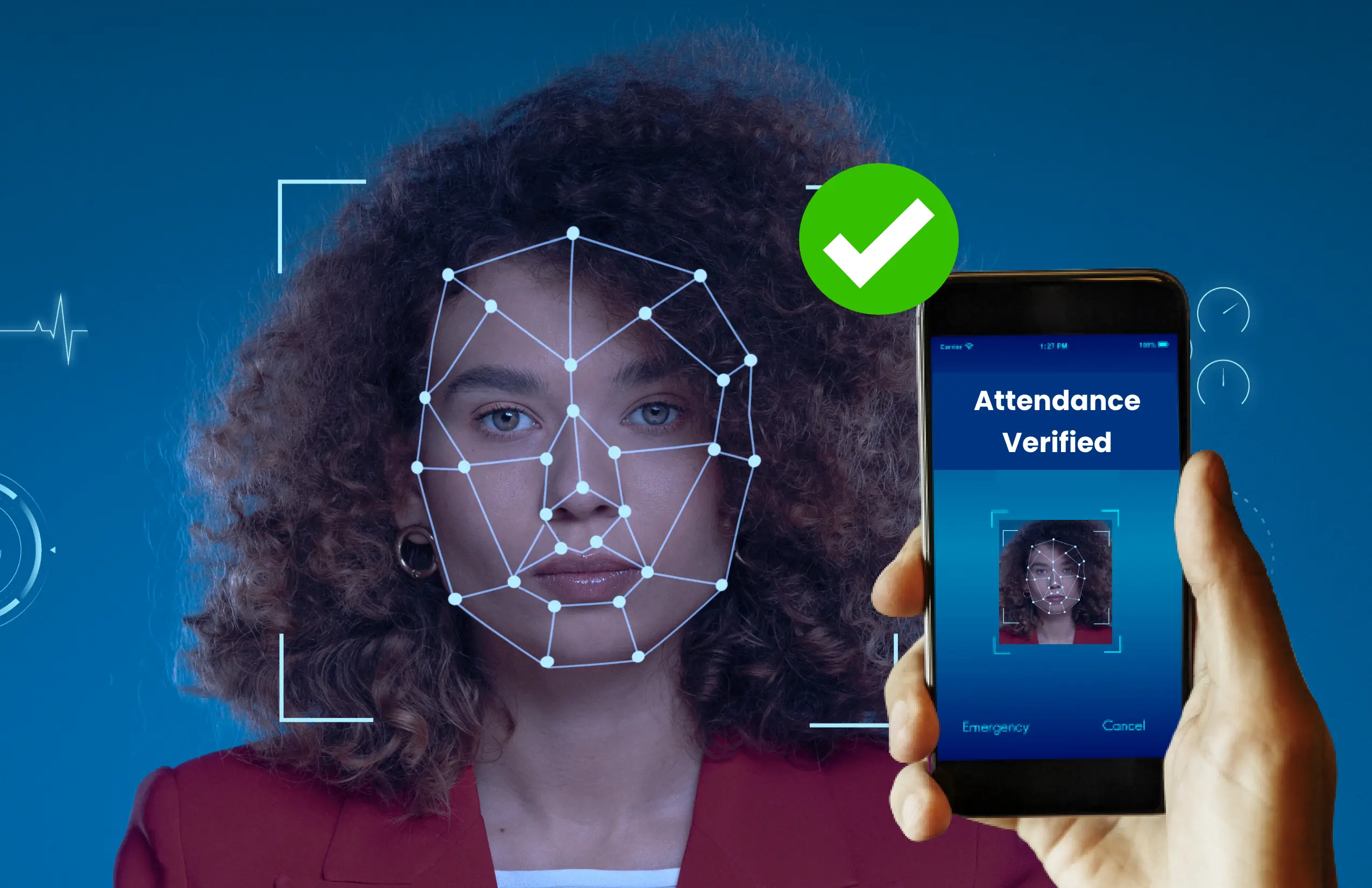
Common deployment locations include office buildings, residential complexes, schools, shopping malls, office areas, transportation hubs, and financial institutions, covering many industries. Face recognition can manage employee attendance and is suitable for large enterprises and high-traffic factories. It is also used to control access in data rooms, server rooms, warehouses, laboratories, archives, and bank vaults, helping to prevent unauthorized entry.
Selection Considerations
1. Security
The primary concern is system security and robustness, including secure operation and protection when connected to networks. Security is often the first criterion users consider when evaluating these systems.
2. Accuracy
Face recognition systems capture images quickly and automatically compare them to records in a database. Recognition rate and overall accuracy are key factors that influence procurement decisions.
3. Acceptance
User acceptance within an industry or organization depends on the system's quality, security, and accuracy, among other factors.
4. Price
Cost is an important consideration. As an emerging technology, face recognition may have higher prices due to development costs. Users should evaluate their needs and budgets when deciding whether to adopt the system.
Technical Challenges
1. Low inter-individual variation
When facial differences between individuals are small, high technical capability is required to detect and distinguish subtle differences. Factors such as makeup or identical twins increase system difficulty.
2. Variability of faces
Facial appearance can change with age, physical condition, expressions, motion, and capture angle. These variations can reduce accuracy and increase system complexity.
If these challenges are not adequately addressed, users may lose confidence in face recognition systems and choose not to adopt them.