ALLPCB


How capacitive touchscreens work
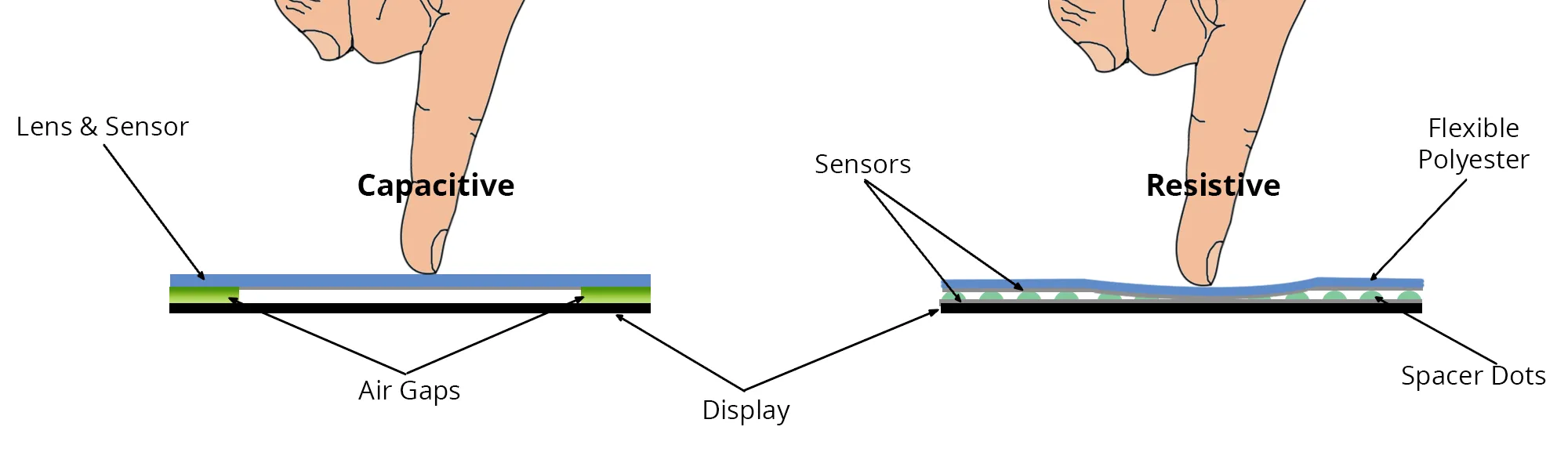
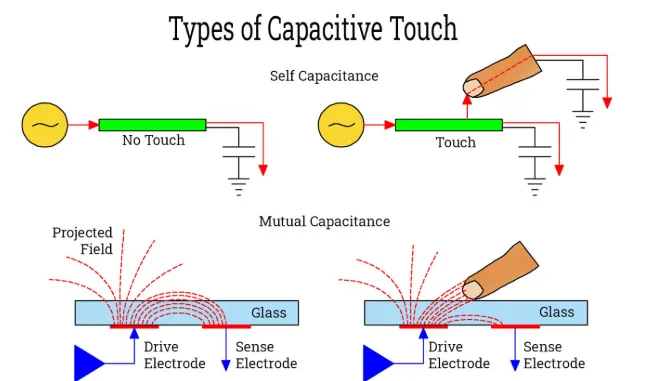
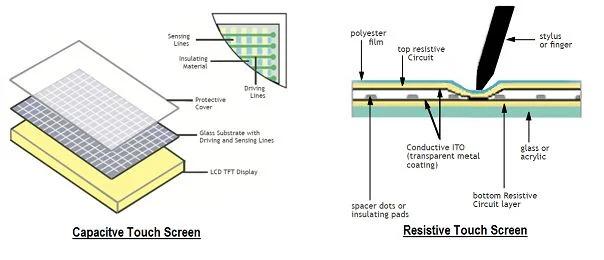
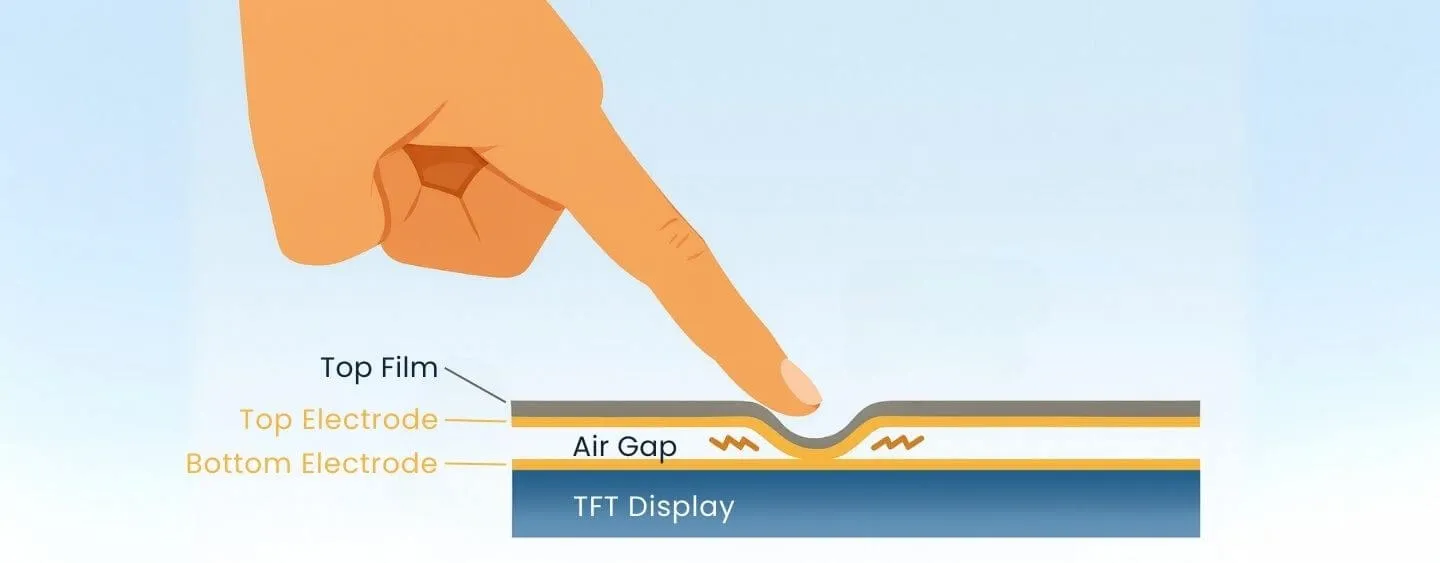
When a finger touches any point on a phone screen, it changes the local capacitance. That change can alter the frequency of an associated oscillator, and by measuring the frequency variation the controller determines the touch coordinates. In some LG P970 phones, the capacitive touchscreen does not fail completely but exhibits drifting: when unlocking with a pattern, a touch intended at point A may register at point B; sometimes the screen registers touches without any contact; other times it becomes completely unresponsive. Analysis shows these symptoms are commonly caused by capacitance drift rather than a total hardware failure.
Common causes of drift and brief explanations
- Conductive contamination: Oil, sweat, moisture, or other conductive substances on the screen can cause drift. If conductive liquid enters the device, it may permanently damage the touchscreen or other components. Capacitive screens are sensitive to oils and sweat; clean and dry hands reduce this risk.
- Unstable supply voltage: When a finger touches the screen it draws a small amount of current, and the controller distributes drive from the four corners toward the touch location to determine position. If the supply voltage is unstable, the screen may drift or fail. Operating at very low battery levels can worsen the problem, so keep the battery charged.
- High temperature: Elevated screen temperature during charging or heavy use can affect operation. If the device is hot, allow it to cool before continuing use or charging.
- Static electricity: Capacitive screens rely on electric fields for positioning, so small amounts of static can cause drift.
- Magnetic fields: Nearby strong magnetic fields can induce electric fields and cause drift. Prolonged exposure to strong magnetic fields can cause lasting damage.
- Moisture and humidity: Exposure to moisture can degrade touchscreen performance. Typical storage temperature ranges for capacitive screens are about -20 to 60°C; avoid prolonged exposure to wet or excessively humid environments.
Troubleshooting steps attempted
After identifying the likely causes of drift, several practical methods were tried. Results varied depending on the underlying cause.
1. Power-cycle and static discharge: Remove the LG P970 battery and leave the phone without power for about five minutes or overnight. Then connect the USB plug to the phone and touch the other end of the USB connector with a slightly moist hand while keeping an index finger touching ground. The intended effect is to help discharge static electricity and stabilize the touch controller.
2. Using the vibration motor as a grounding point: With the back cover removed, a small metal part adjacent to the battery compartment is the vibration motor. Because it is connected to the mainboard, some users try touching the motor with the thumb while the index finger contacts ground for a couple of seconds to help discharge static. Results can vary and this requires opening the device.
3. Heat and drying attempts: Using a hair dryer on the screen until it becomes warm was tried. Wrapping a thin cotton cloth over the screen and then applying warm air was also attempted. In this case those approaches did not resolve the drift.
Notes and precautions
Many causes of touchscreen drift are environmental or related to device condition. Start with noninvasive measures: clean and dry hands and screen, ensure adequate battery level, avoid strong magnetic fields and static, and allow a hot device to cool. Opening the device or applying heat carries risk of damage; proceed only if you are experienced and follow proper safety precautions.