ALLPCB


The future direction of automotive head-up displays (HUDs) may sound technical, but this display technology has significant application potential over the next few years. IHS Automotive predicts that worldwide OEM-installed HUD-equipped vehicle sales will rise from 1.2 million units in 2012 to 9.1 million in 2020 — not counting aftermarket HUD solutions added to existing vehicles.
If you are a developer or an automotive original equipment manufacturer (OEM), you likely face a range of considerations when integrating a HUD into a new vehicle, whether as a built-in or an aftermarket solution. Developers must weigh many factors in product design, including field of view (FOV) and image quality.
Augmented Reality in Automotive HUDs
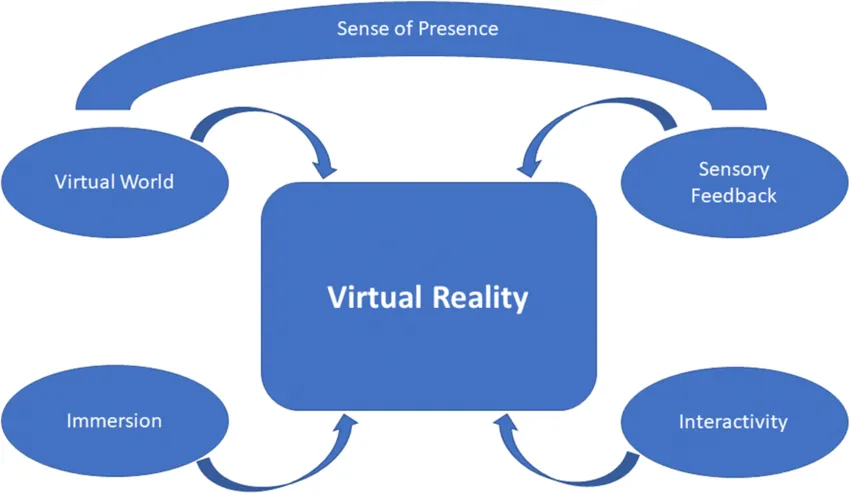
A key area driving the future of automotive HUDs is augmented reality (AR). Although the market contains many definitions of AR, there is general agreement about how AR will influence automotive displays going forward. If the real world is at one end and virtual reality (VR) is at the other, AR sits between those extremes. In vehicles, AR overlays digital imagery onto the real world seen by the driver, enhancing the driver's view with computational information.
In other words, an AR HUD turns the windshield into a focal plane for relevant data such as speed and road hazards while keeping the driver's attention on the road ahead. There is ongoing debate about which data should be shown and when, but several technical factors are widely recognized as important when designing AR HUDs.
Field of View and Virtual Image Distance
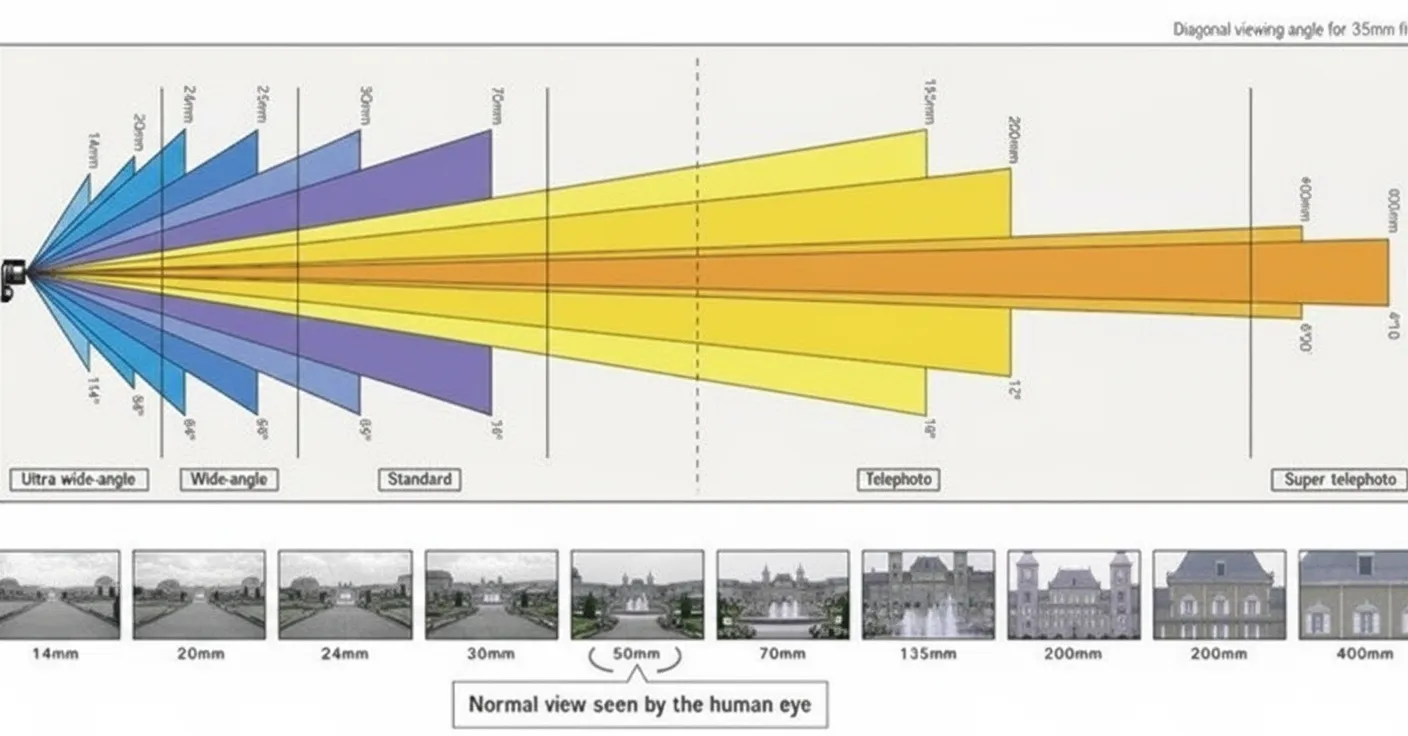
Field of view is arguably the most important aspect of any HUD, and it is especially critical for AR HUDs because it directly affects the apparent size of projected imagery. Currently, the widest FOV achieved with DLP technology allows OEMs an upward projection angle of 12 degrees — roughly twice what was previously achievable.
Virtual image distance controls how far the projected image appears from the driver. This is especially important at higher speeds, when it is necessary to indicate road hazards and other information at an appropriate viewing distance. Current HUD designs using DLP chips can position virtual images anywhere from about 2 to 20 meters in front of the driver.
Image Quality
Image quality is not simply higher resolution. It encompasses multiple variables such as refresh rate, color depth, and brightness. Unlike indoor environments, the highly variable outdoor automotive environment poses substantial challenges for maintaining image quality. Changing ambient light between day and night requires AR HUD solutions to preserve color accuracy, consistent color depth, and high contrast so they remain usable across a wide range of driving conditions.
For example, automotive-grade DLP chipsets such as the DLP3000-Q1 include a 0.3-inch WVGA digital micromirror device (DMD) and a DLPC120 digital controller, with a large number of fast-switching programmable micromirrors to enable millisecond-level refresh rates and improved image quality. DLP technology can be used with a variety of light sources, including incandescent, halogen, LED, or laser, giving design teams flexibility in optical system design.
Development Considerations
Most automotive AR HUD solutions require close collaboration among developers to meet product and customer requirements. HUD systems are often part of an integrated solution that includes advanced driver assistance systems (ADAS) and other centralized components that work together to support the driving experience.