ALLPCB


Principles and Origins of 3D Technology
Virtual reality and augmented reality (AR/VR) devices have evolved into many types of products. For example, Meta's Quest recently shipped with high-resolution mixed-reality capabilities and a more advanced PanCake optical lens solution compared with the previous generation. To understand what produces the 3D visual effect used in these systems, we need to look at the underlying 3D display principles.
3D display is a broad concept generally defined as any device that conveys depth to a viewer by optical means so the brain perceives an image with three dimensions. Newer approaches such as holographic displays and light-field displays generate more realistic visuals and can reduce visual fatigue by precisely controlling stereoscopic cues and focal distance.
The basic principle of 3D displays relies on binocular vision: each eye receives a different image and the brain fuses these two 2D images to form a single 3D percept with depth. In many AR/VR systems this effect exploits the Pulfrich effect, a psychophysical phenomenon in which differences between the two eyes when viewing a moving object cause the visual cortex to interpret motion or different viewing angles as having a depth component.
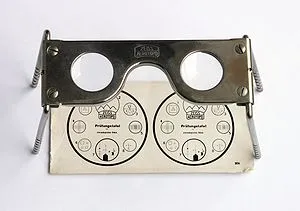
Historically, clinicians observed that patients with certain eye conditions such as cataracts, optic neuritis, or multiple sclerosis sometimes had difficulty judging the approach of oncoming vehicles. Max Wolf discussed limitations of stereoscopic vision while studying stars, and Carl Pulfrich noticed that brightness changes on photographic plates could create illusory motion. Pulfrich designed a projection device and in 1922 publicly described the phenomenon now bearing his name.
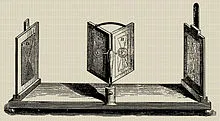
The first practical stereoscopic display dates to the mirror stereoscope invented by British scientist Charles Wheatstone in 1840. Wheatstone received recognition from the Royal Society for his explanation of binocular vision, which led him to produce stereoscopic drawings and construct the stereoscope.
Development of 3D Display Technologies
Based on binocular vision, filmmakers and photographers produced stereoscopic images by providing each eye with slightly offset images, matching the parallax that would occur at the eyes' positions. To make viewing comfortable, optical aids are required to deliver separate images to each eye.
Anaglyph (Red-Blue) Glasses
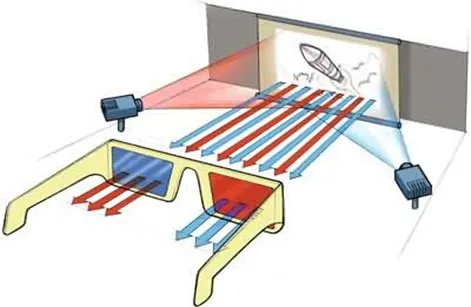
Early 3D movies and photography used anaglyphs: two images (one red, one blue) were superimposed on a screen or print with a slight horizontal offset approximating natural eye parallax. Viewers wore glasses with red and blue filters so each eye primarily saw one of the images; the brain fused them into a single 3D shape.
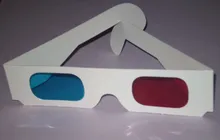
This color-separation method filters specific colors so each eye receives a different image. The brain uses the red and blue image pair to reconstruct object position and color, producing the 3D effect. However, anaglyphs cause color distortion and can lead to visual fatigue over time.
Polarization-Based Imaging
Because anaglyphs can be uncomfortable and produce poor color fidelity, polarization methods were developed. Polarizing filters (thin films with oriented microstructures) separate light by polarization direction. Projecting two images with orthogonal polarization and using corresponding polarized glasses lets each eye see its intended image without color artifacts.
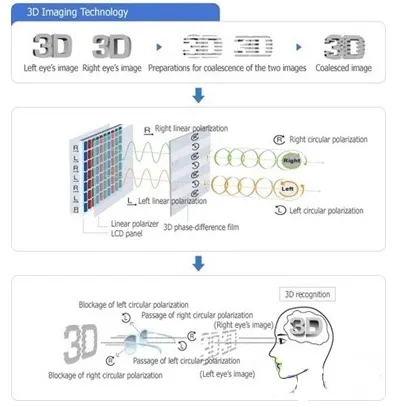
This approach avoids color distortion and is less damaging to the eyes; for that reason, most commercial 3D cinemas use polarized projection systems. (source: DaDaTong)
Active Shutter, Parallax Barrier, and Lenticular Array
Once the principle of presenting different images to each eye was established, various display technologies emerged. Active shutter systems synchronize a display and electronic shutter glasses to alternate full-resolution left and right frames at high refresh rates so each eye receives the correct frame.
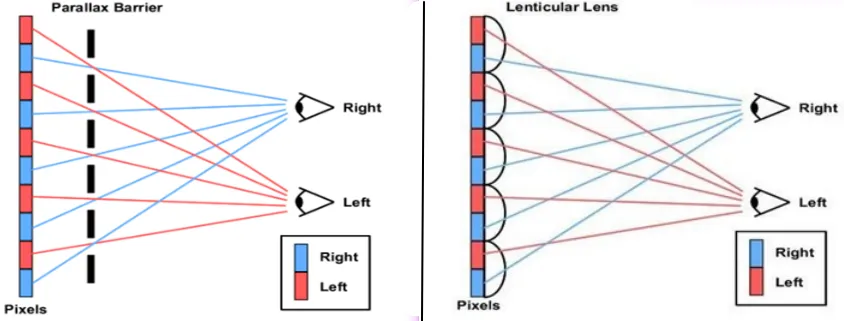
Parallax barrier systems create a striped mask on the display so that observers at specific viewing positions see different pixels through the slits. Lenticular arrays use an array of micro-lenses on the display to direct light from different subpixel sets toward each eye, enabling glasses-free 3D.
VR Headsets
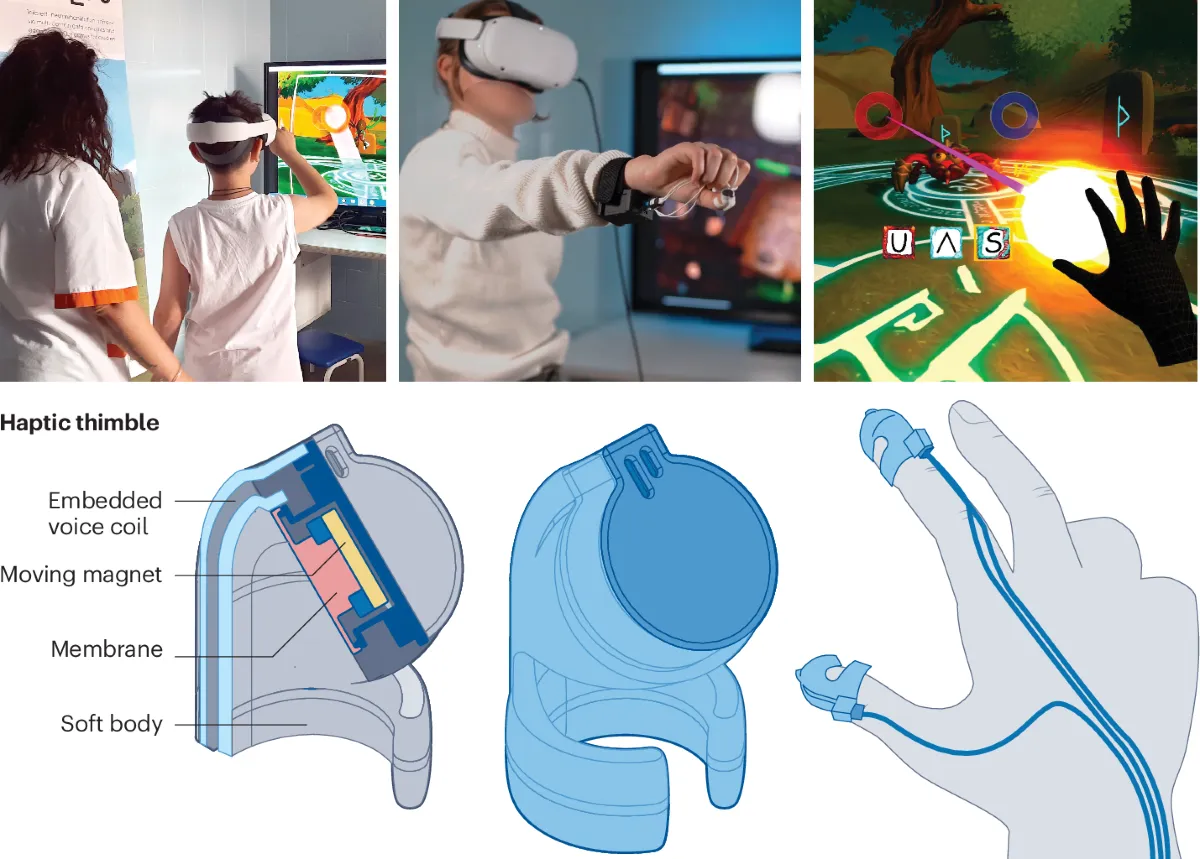
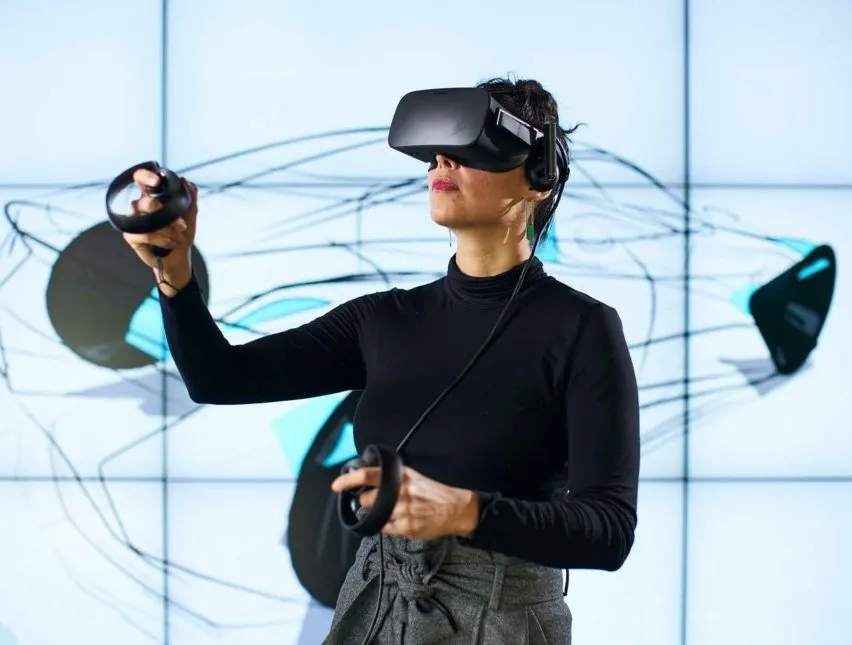
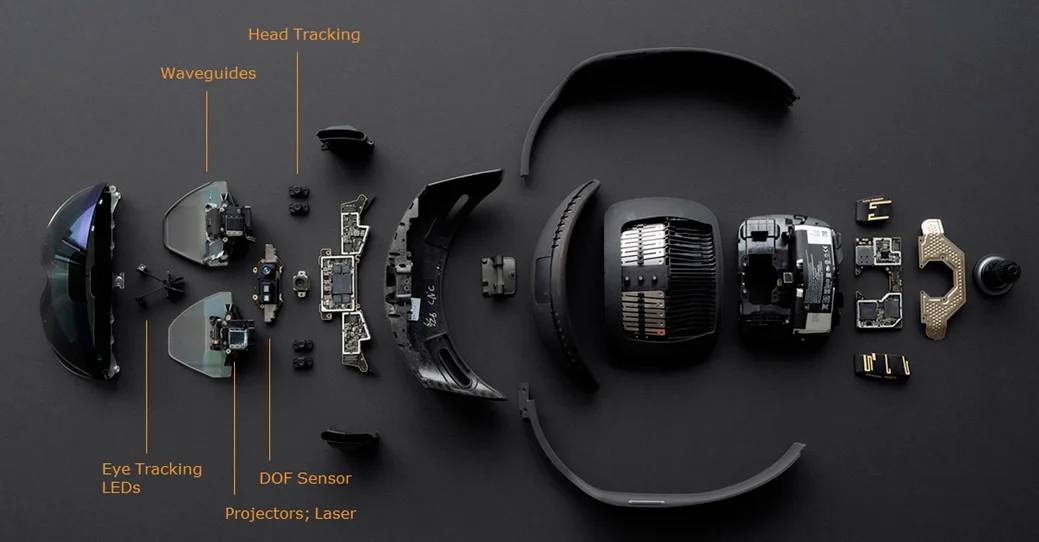
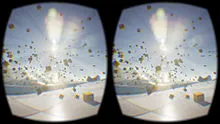
Consumer VR headsets typically use two displays, one per eye, and render different images under CPU and GPU control. Eye tracking can be used to detect users' focal points and adapt rendered content, enhancing depth perception. Devices such as Meta's Quest and various Pico headsets rely on complex optics to form images at close range and place high demands on CPU and GPU resources.
Holographic Imaging
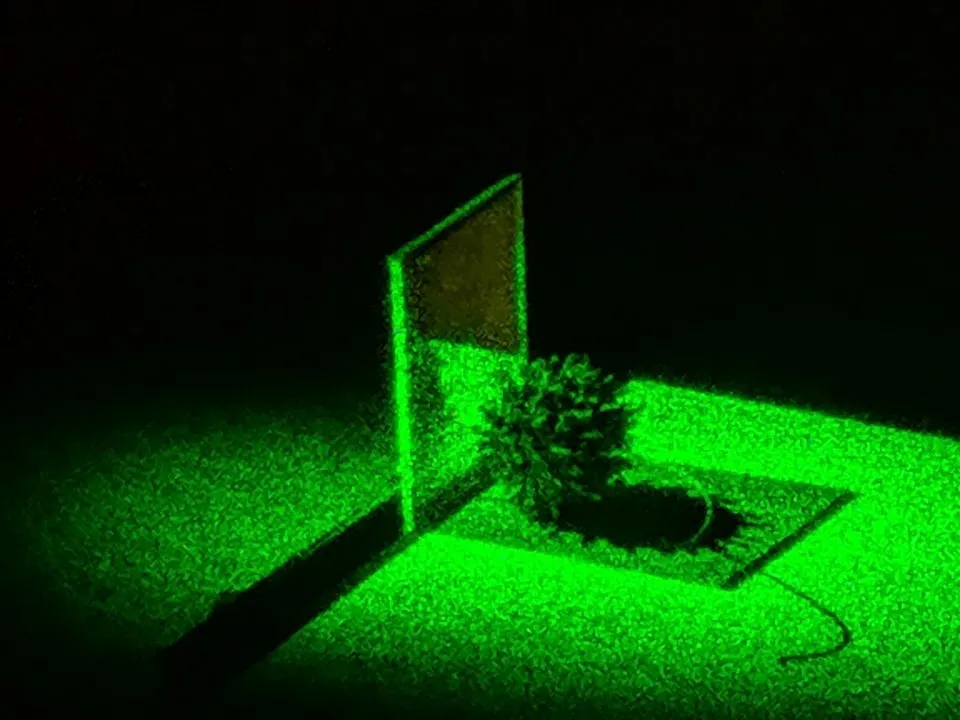
Holographic projection is among the most visually striking 3D techniques. During capture, holography records the object's light-wave information using interference. The object scatters a portion of coherent laser light while another reference beam interferes on a photosensitive plate, converting the phases and amplitudes of the object wave into spatial intensity variations. After development, the resulting hologram encodes the full optical information of the object.

Playback uses diffraction to reconstruct the recorded object wavefront when illuminated by a coherent laser, producing two images: the real image and the conjugate image. Holograms can produce strong stereoscopic cues and near-photorealistic depth, because they record both amplitude and phase.
Current commercial approaches often use transparent 3D screens that display quasi-holographic images from certain viewing angles by controlling transparency and selectively presenting images. These solutions are typically 2.5D and do not record true holographic interference patterns, which require pulsed lasers, high-resolution photosensitive materials, and coherent interference encoding to capture full spatial information.
From early anaglyphs to modern holography, 3D display technology has advanced rapidly. Improvements in hardware and rendering algorithms continue to refine visual quality and reduce viewer fatigue, bringing ever more convincing depth experiences as AR, VR, and other immersive systems evolve.