ALLPCB


XR adoption across product workflows
Virtual reality (VR), augmented reality (AR), and mixed reality (MR) — collectively XR immersive technologies — were once considered impractical. Companies now recognize XR's ability to present complex data in multiple visual dimensions and to support richer, information-dense experiences, which is changing product manufacturing workflows.
According to Trimble's MR and human-machine interface senior director Avi ad Almagor writing in IndustryWeek, XR innovations can deliver benefits such as increased productivity and reduced error risk, and they have mainly been applied to visualization and communication in manufacturing. That application focus is now shifting.
From design to the factory floor
Using XR for communication and data visualization remains important, but manufacturers are beginning to deploy these solutions at the frontline to address more complex tasks, such as quality and production control and manufacturing line processes.
In particular, MR has become more viable for frontline use as hardware and software capabilities improve to support hands-free interaction while meeting safety requirements.
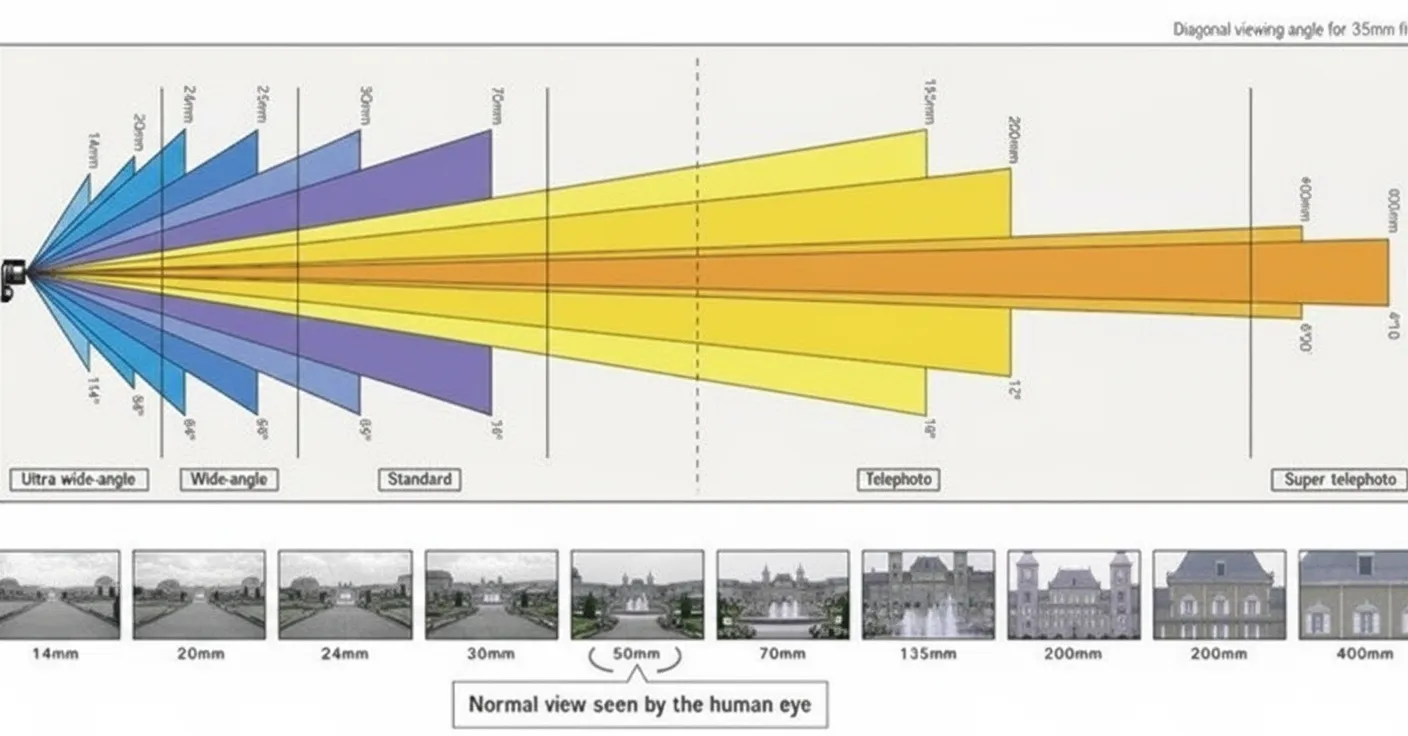
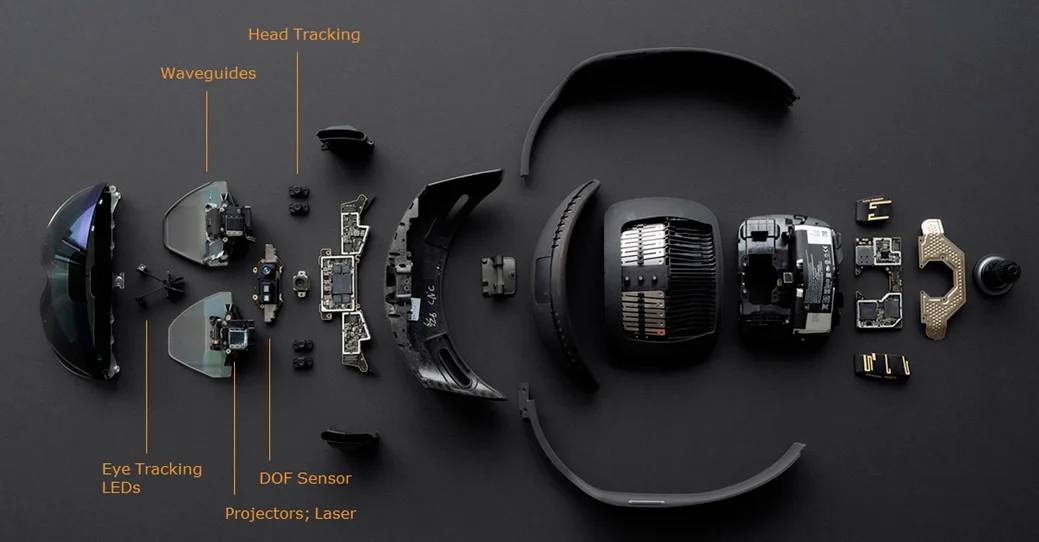
Hardware improvements include wider fields of view and better sensors, which increase calibration accuracy. MR devices designed for production environments, such as industrial helmets and bone-conduction headsets, help users remain aware of their surroundings and improve operational safety.
On the software side, advances include more natural and efficient two-handed interaction interfaces, eye tracking, and features that prioritize workflow prompts based on a user's forward and backward movements.
Engineers have long used 3D modeling and MR for product design and evaluation, while factory-floor workers often still rely on paper drawings or 2D images on computer screens. This digital gap has driven the search for solutions and indicates that MR technology has matured enough to extend from design into manufacturing.
New MR use cases
With market maturity and ongoing technical innovation, MR is enabling new manufacturing use cases.
Employee training: Instead of relying on paper manuals, workers can interact directly with the physical assets they will operate, enabling learning by doing. This is especially useful for structurally complex products and reduces cognitive load and training time compared with traditional methods.
Visual sequencing: MR can provide production-line workers with 3D step-by-step assembly instructions to help avoid potential errors. Wearable devices allow workers to receive prompts without using their hands to operate a separate device.
Quality assurance: MR can merge digital information with real scenes, enabling production teams to inspect work quality, identify errors in real time, and shorten the time required to communicate issues to office teams.
Operations control: As prefabricated construction and other manufacturing conditions become more complex, MR allows supervisors to monitor actual assembly environments and determine whether tasks are ahead of schedule, on time, or delayed.