ALLPCB


Definition
A programmable system-on-chip (programmable SoC, PSoC) is a specialized embedded system. It is a system-on-chip, meaning the main logic of an entire system is implemented on a single chip. It is also programmable, allowing flexible design that is configurable, scalable, and upgradeable, with both software and hardware programmability at the system level.
Typical components
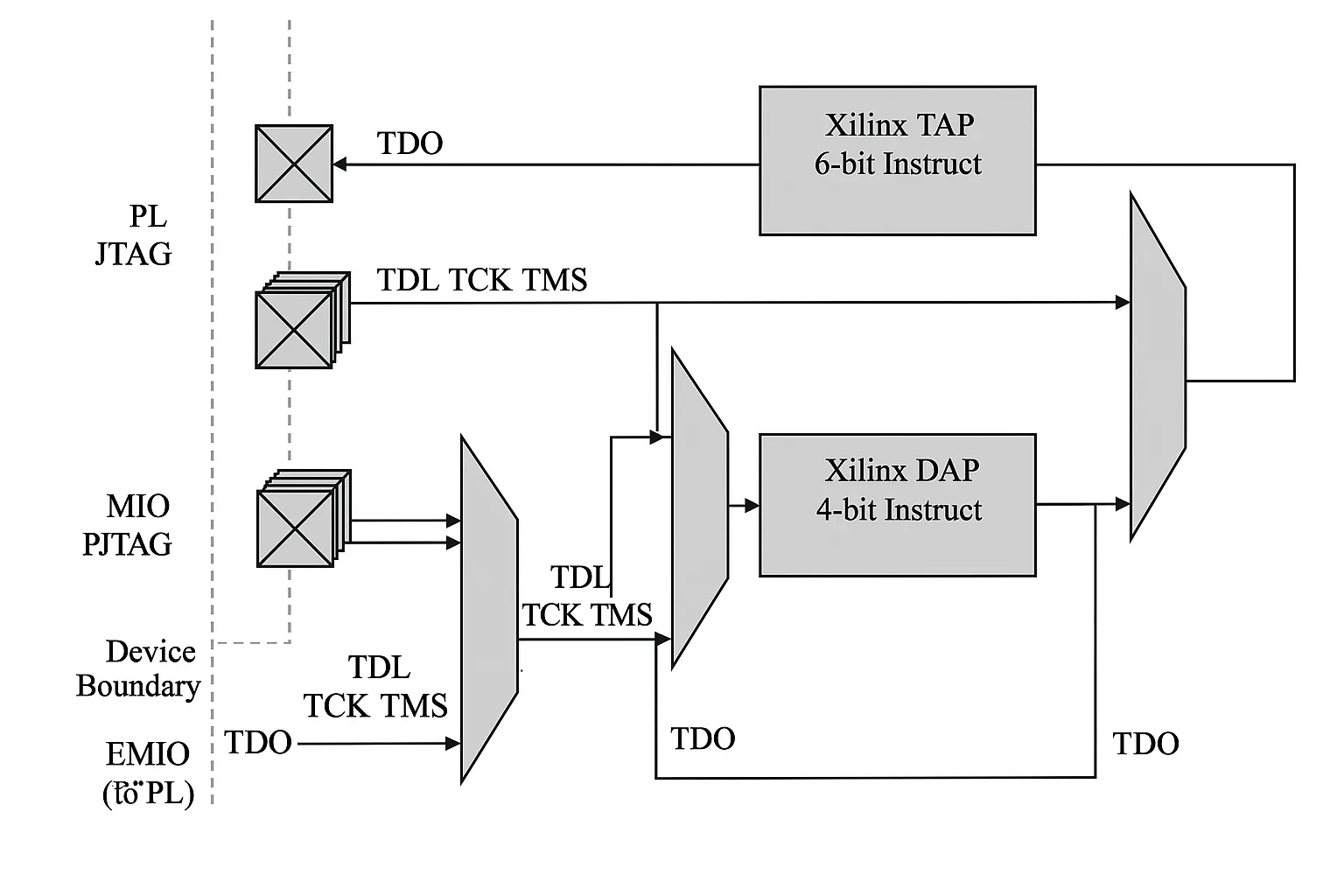
Programmable SoCs typically include one or more processor cores and a variety of functional modules such as programmable logic units (for example, FPGAs), analog-to-digital converters (ADCs), and digital signal processors (DSPs). These modules can be configured via registers or software to implement specific functions required by different applications.
Benefits and evolution
Programmable SoCs increase design flexibility, enabling customized design and optimization for diverse application requirements. Compared with traditional fixed-function chips, they offer greater adaptability and scalability, which can make development of complex applications more efficient. As technology advances, the design and use of programmable SoCs continue to evolve.