ALLPCB


Overview
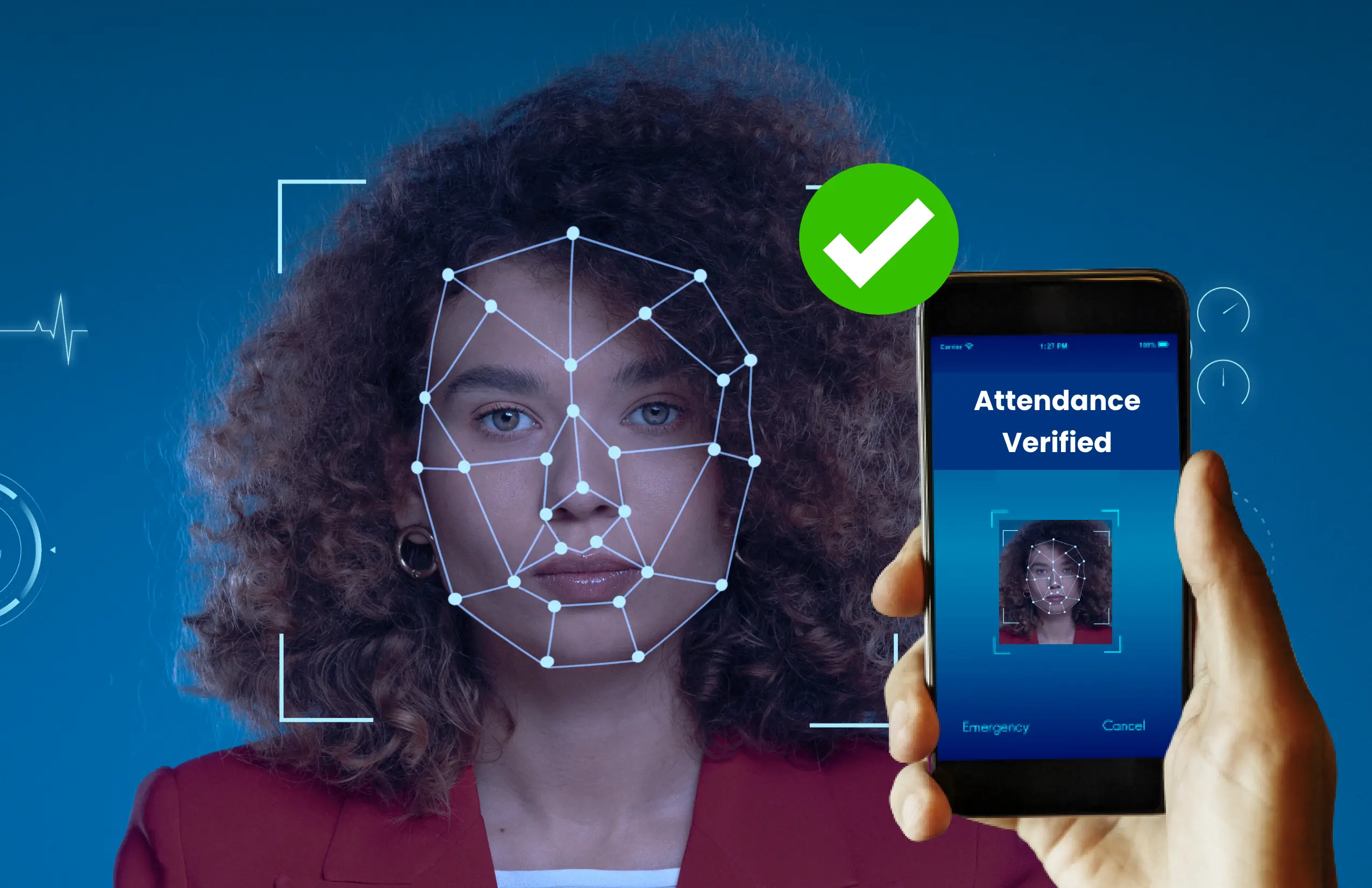
Face recognition is a technology used to identify and verify a person's identity from facial images. It relies on algorithms and mathematical models to detect and compare facial features and patterns, distinguishing between different faces to perform identification and verification.
How Face Recognition Works
The working principle of face recognition is based on image processing and pattern recognition. When a facial image is captured and input to a system, algorithms and models extract and compare multiple facial features such as the eyes, nose, mouth, chin, and the various lines and curves of the face. The system compares these features with enrolled facial images to determine identity. This process can operate in real time or offline.
Advantages
- High reliability — Facial features are distinctive, and recognition can achieve high accuracy and robustness against factors such as age, skin color, gender, and hairstyle.
- Convenience and speed — Authentication can be completed quickly by briefly aligning the face with a camera, enabling seamless and efficient use cases.
- Security assurance — Compared with traditional methods like passwords or tokens, face recognition can offer improved security in many applications such as finance and security systems.
Disadvantages
- Privacy concerns — Face recognition involves personal data and may risk exposure of personal information or enable illicit misuse.
- Possible false matches — High similarity between different individuals can lead to misidentification, causing authentication failures or false acceptances that affect downstream security measures.
- High technical cost — Deployment and widespread adoption require significant investment in algorithms and infrastructure, which can limit accessibility for some users.
Face Recognition vs Image Recognition
Both face recognition and image recognition belong to the field of computer vision and share tasks such as image analysis and feature extraction.
Face recognition focuses on identifying and verifying facial identity. It detects faces in images or video streams, applies algorithms to recognize the face, and compares results with a database to determine identity. Common applications include security, law enforcement, and financial services.
Image recognition analyzes and classifies a wide range of objects in images, automatically identifying object features or abstracting concepts. It is applied across domains such as autonomous driving, smart home systems, and medical diagnosis.
Main differences
- Target objects — Face recognition targets a specific object: the human face. Image recognition addresses various objects within one or more images. Face recognition must account for variable factors such as head pose, facial expression, and lighting, while image recognition focuses on extracting and classifying object and scene features.
- Methods — Face recognition often relies on facial landmarks and features (eye, nose, mouth positions and shapes) and uses models such as deep learning and convolutional neural networks. Image recognition combines feature extraction, pattern matching, and deep learning to handle diverse image types.
- Data requirements — Face recognition requires large datasets of facial images covering different ethnicities, lighting conditions, and expressions. Image recognition requires varied datasets containing different objects, scenes, and activities.
- Application scenarios — Face recognition is typically used for security verification, payments, and social media tagging, while image recognition is applied to autonomous driving, medical image analysis, object detection, and other scenarios.