ALLPCB


Operation principles of face recognition access control
The operation of a face recognition access control system typically includes the following steps:
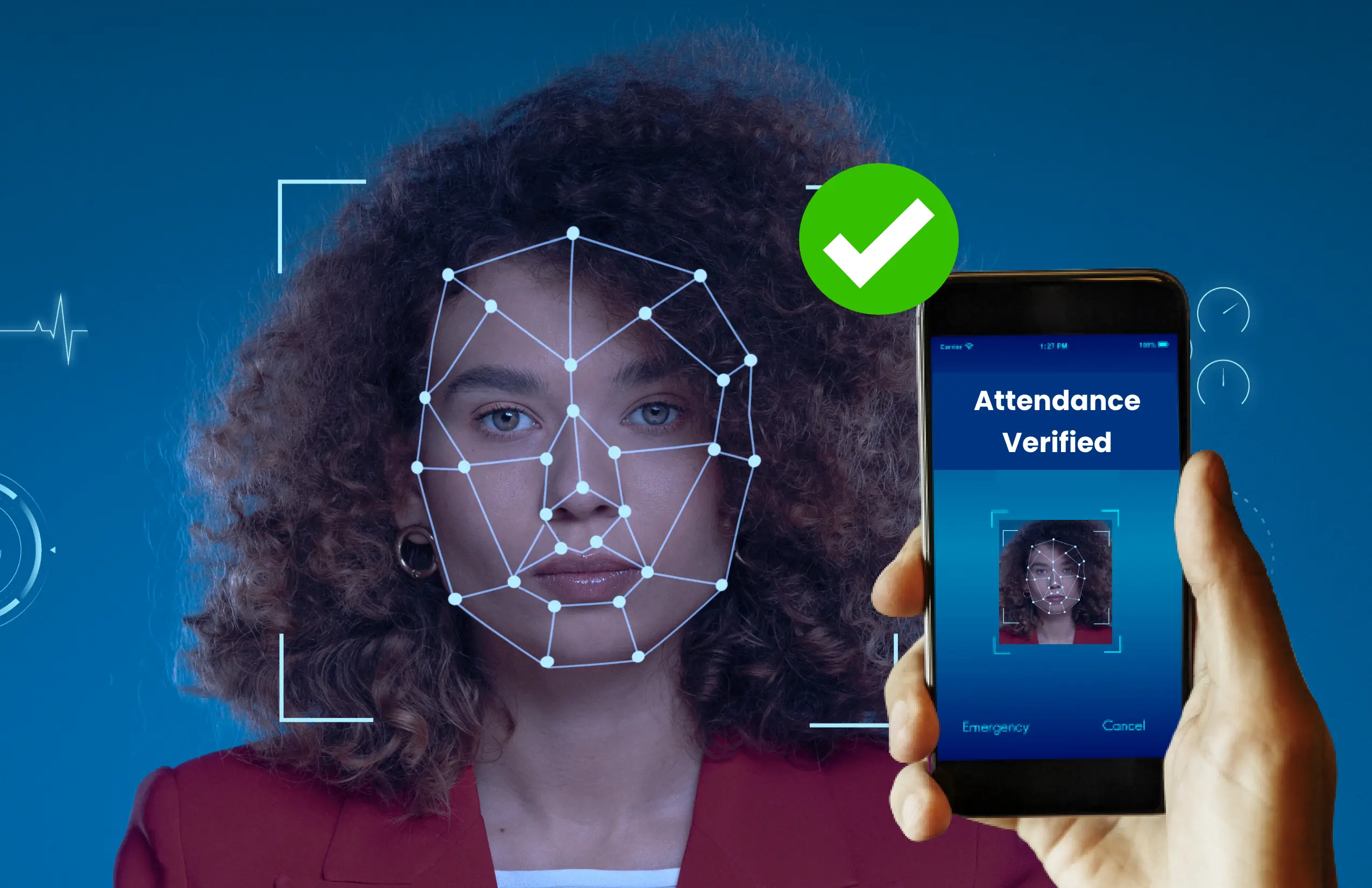
- Face data capture: The system uses cameras or infrared cameras to capture face images. During capture, subjects are usually asked to stand at a specified position and be ready to ensure image quality and face clarity.
- Preprocessing and feature extraction: Captured face images undergo preprocessing and feature extraction. Preprocessing may include denoising, conversion to grayscale, or normalization to improve subsequent processing accuracy. Feature extraction typically uses computer vision and pattern recognition algorithms, such as principal component analysis (PCA) or local binary patterns (LBP), to extract key features from the face image.
- Feature matching and comparison: Extracted face features are matched against features stored in the system database. The database contains pre-registered authorized users' face feature data. Matching algorithms, such as Euclidean distance or cosine similarity, are commonly used to compute similarity or distance between the probe face and each stored feature.
- Decision and recognition: The system makes a decision based on the comparison result. If the similarity between the probe face and a stored face meets a preset threshold or satisfies the decision algorithm, the system considers the face recognized and proceeds with the corresponding access control action. Otherwise, the recognition request is denied.
- Access control: Upon successful recognition, the access control system performs the appropriate operation, such as unlocking an electronic door or canceling an alarm state.
Note that some face recognition access systems incorporate additional technologies, such as liveness detection using infrared or depth cameras, to prevent spoofing with photos or masks. With the development of artificial intelligence and deep learning, face recognition algorithms continue to improve in accuracy and robustness.
Key functions of face recognition access control
Face recognition access control systems provide the following main functions:
- Access control: The system authenticates individuals by their faces to control door open/close. Only authorized, registered faces are allowed to enter secured areas, helping prevent unauthorized access.
- Enhanced security: Compared with traditional approaches like card readers or PINs, face recognition offers higher security because human faces are difficult to forge or impersonate. Some systems also include liveness detection to defend against photo or mask attacks.
- Real-time and fast operation: Recognition and verification typically complete within seconds, enabling fast access control. This is particularly important for high-traffic entry points to avoid queues and congestion.
- Logging and monitoring: The system can record entry and exit events, including time, date, and location, providing a complete access log for monitoring and auditing. Some systems support real-time monitoring and alarms for abnormal activity.
- Flexible management and configuration: Administrators can manage the system through a management interface to add or remove registered faces, adjust access permissions, set rules and schedules, and view or export access records, making administration more flexible and convenient.
Advantages and disadvantages
As an access control technology, face recognition systems have both advantages and challenges. Key points include:
Advantages
- High security: Human faces are unique and difficult to forge, providing relatively high security to prevent unauthorized entry.
- Convenience and speed: Fast recognition and verification usually complete in seconds, offering a convenient access experience and reducing queues at busy entry points.
- No need to carry items: Unlike card-based or password systems, face recognition does not require users to carry cards, keys, or remember passwords, reducing the risk of loss or theft.
- Wide applicability: Face recognition access control can be applied in various environments, such as commercial buildings, offices, schools, hospitals, and residential areas, and is suitable for organizations of different sizes.
Disadvantages
- Cost: Compared with traditional systems, face recognition access control typically involves higher costs for hardware (such as cameras and controllers), software licenses, and maintenance, which may limit adoption in low-budget or small organizations.
- Environmental sensitivity: System performance can be affected by environmental factors such as lighting, viewing angle, and occlusions, which may degrade image quality and recognition accuracy.
- Privacy and data security: Collecting and storing facial data raises privacy and data protection concerns. Ensuring regulatory compliance and securely protecting facial data are important considerations.
- Spoofing risks: Systems may be vulnerable to spoofing attacks using photos, masks, or 3D-printed face models. Liveness detection is often required to distinguish real faces from spoofing artifacts.
Considering these factors, face recognition access control systems can provide strong security and convenience, but implementation should account for specific operational needs, environmental conditions, and privacy requirements.