ALLPCB


Overview
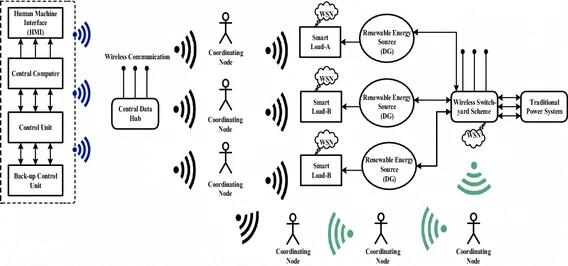
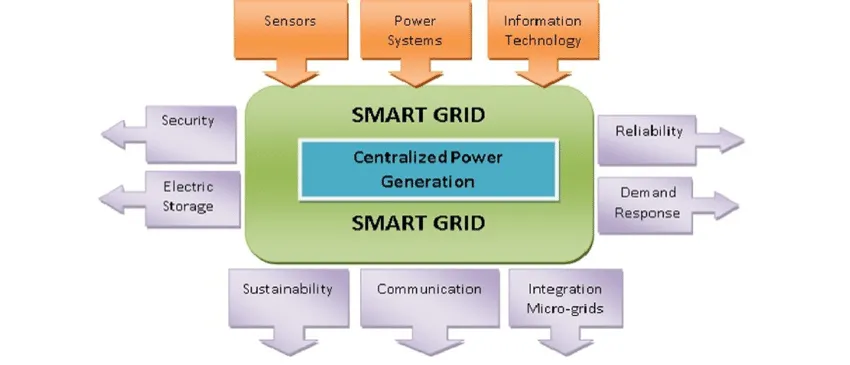
The smart grid aims to enable energy substitution and compatible utilization. It requires creating open systems and establishing shared information models to integrate system data and optimize grid operation and management. By using terminal sensors to form instant networked interactions among users and between users and power companies, the smart grid enables real-time, high-speed, two-way data reading and improves overall grid efficiency.
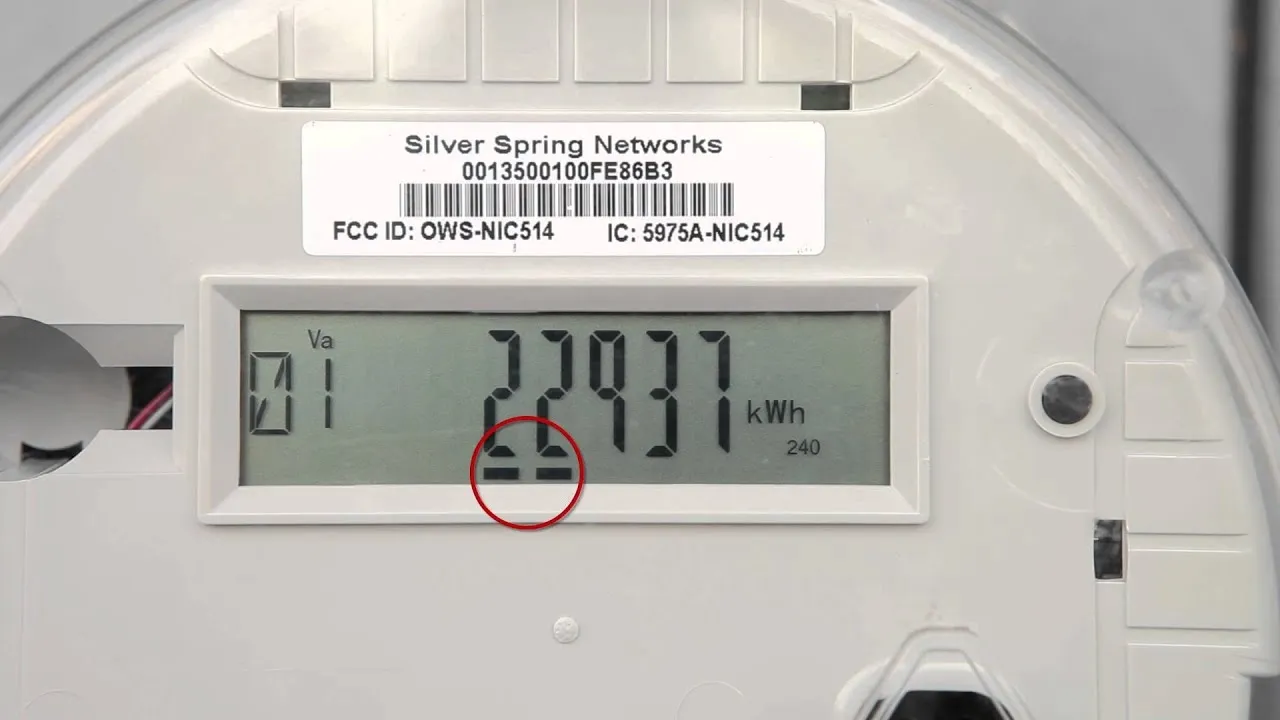
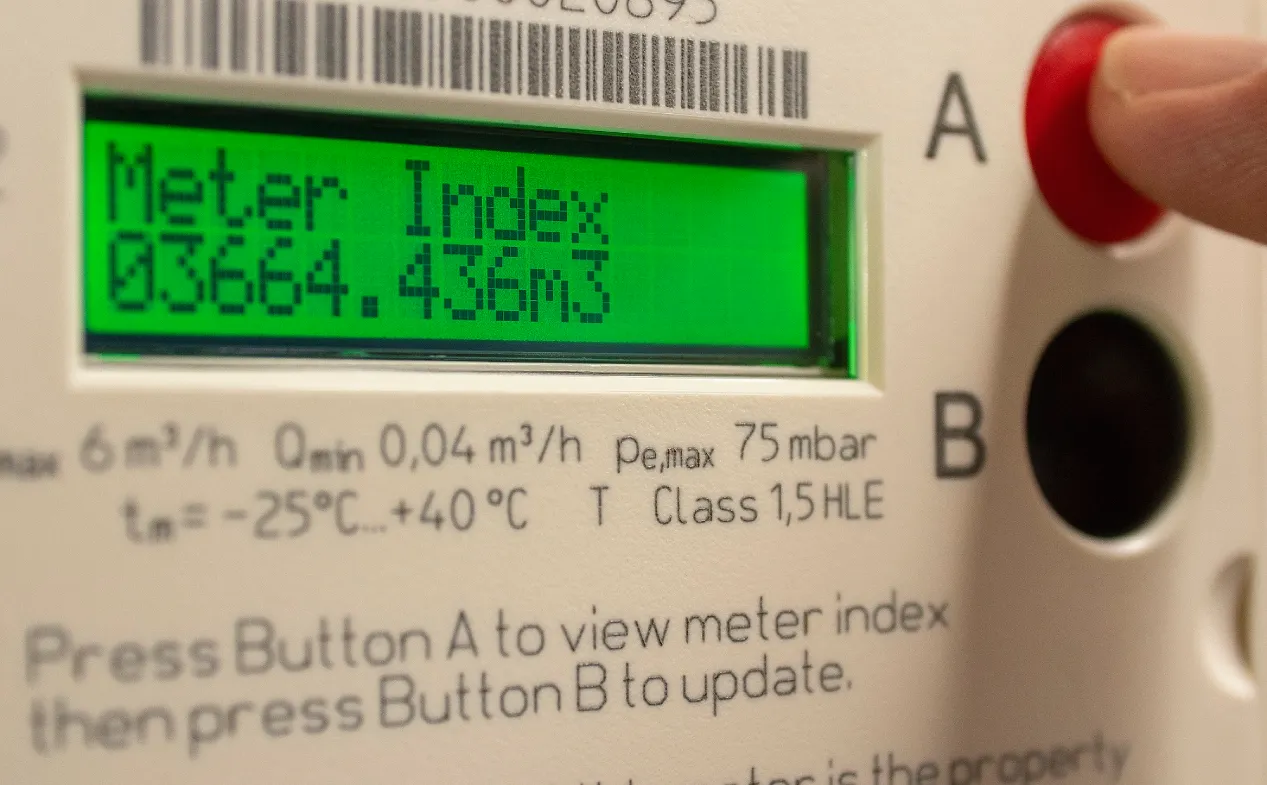
Sensors can provide real-time monitoring and data integration for generation, transmission, distribution, and power supply equipment. During supply peaks, the grid can perform timely regional dispatching to balance supply shortfalls and optimize operation of the entire power system. Smart meters can also act as internet routers to support communications, broadband services, or broadcast signals for power providers.
Key Technologies
- Internet of Things (IoT) technology: The core of the smart grid is sensing and intelligent management of power equipment, energy resources, and power users. IoT enables real-time monitoring, control, and fine-grained management of equipment and supports integrated analysis and effective use of information on energy resources and users.
- Big data technology: Large-scale data collection and analysis enable visualization and intelligent management of the power system and its users. Big data provides detailed analyses and assessments from multiple perspectives, offering more comprehensive and scientific evidence for decision making.
- Artificial intelligence (AI) technology: AI enables automation, intelligent management, and smart interactions within the power system. AI can perform deep mining of power data, make intelligent judgments and forecasts based on data features, and support optimized dispatch and rational management.
- Cloud computing technology: Cloud computing supports device management, resource optimization, and business collaboration. It enables virtualization and dynamic allocation of power applications, providing cloud-based services and operational support.
- Blockchain technology: Power transactions involve multiple participants and data exchanges, so a reliable and secure transaction environment is required. Blockchain can enable data sharing, transaction management, and data security to ensure that power transactions are secure, reliable, and transparent.
Transmission and Distribution Technology
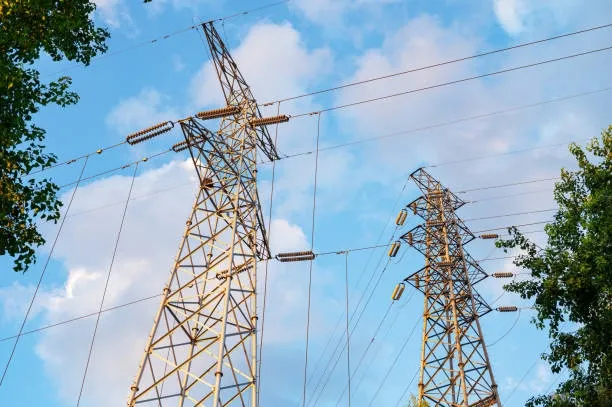
Transmission and distribution technology is a core application area of the smart grid and includes two main parts: ultra-high-voltage (UHV) transmission technology and high-temperature superconducting transmission technology. UHV transmission is well suited to high-power, long-distance transmission, improving grid transmission capacity and enabling effective long-distance connections. High-temperature superconducting transmission exploits superconducting materials to transmit power with low losses and minimal pollution, contributing to more efficient grid operation.
Generation Technology
Power delivery involves conversion and transmission stages that inevitably incur energy consumption and losses. The generation stage offers multiple opportunities to reduce losses and emissions. Deploying a smart grid facilitates this by integrating various renewable generation sources, such as wind energy, solar energy, and other distributed generation, which helps reduce waste through distributed control of these new energy sources.
Intelligent Dispatching
Intelligent dispatching is one of the most critical technologies in smart grid operation. By optimizing resource allocation comprehensively and applying scientific management, intelligent dispatching provides effective protection against faults across system stages and enables automated, intelligent scheduling.
Power Electronics
Efficient smart grid operation relies on a range of advanced devices, including fully controlled high-power electronic power devices. These devices often incorporate core elements such as active filters and support efficient grid operation. The use of dynamic voltage restorers also reflects the core capabilities required by modern power systems.
Conclusion
The core technologies of the smart grid include IoT, big data, AI, cloud computing, and blockchain. These five technology areas interact and integrate to support sustainable development, intelligent operation, and innovative applications of the smart grid.