ALLPCB


Overview
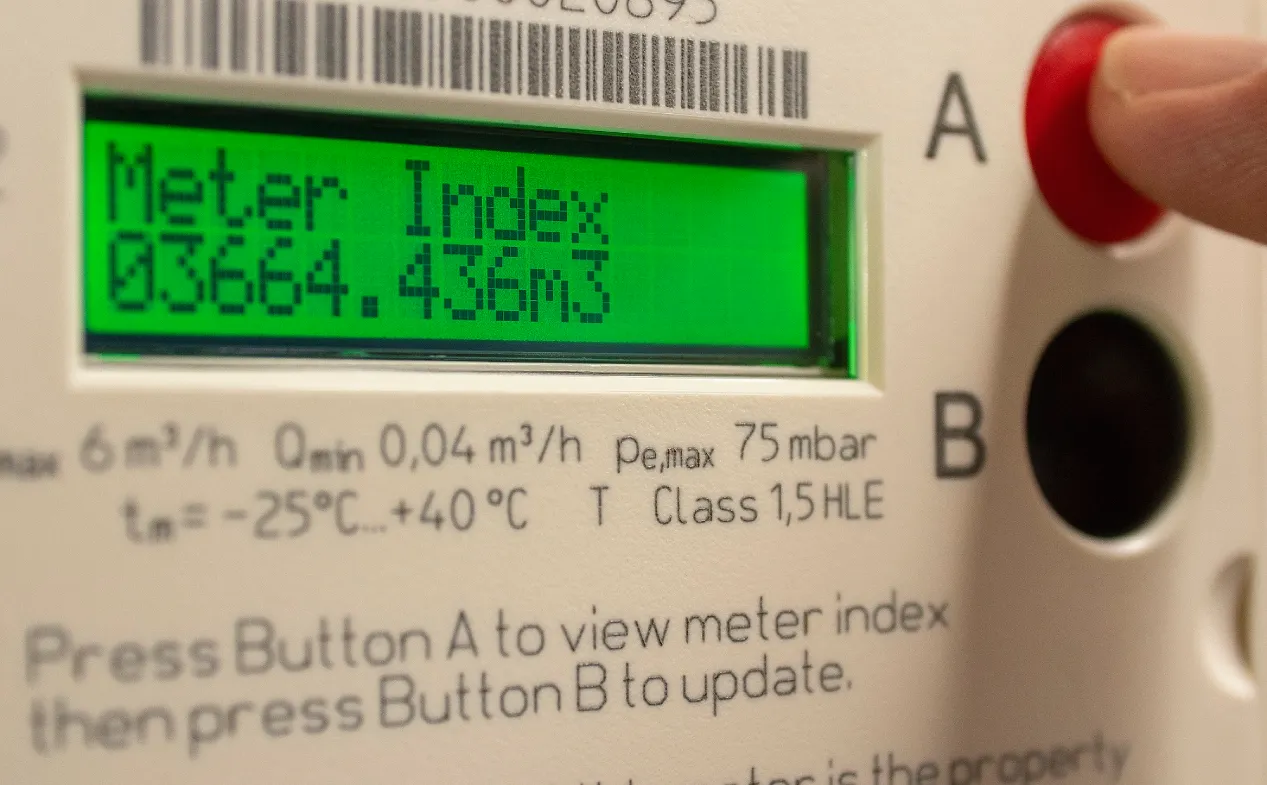
A smart meter is a digital electricity meter that records energy consumption precisely and reports data over a network. It is an important component of the smart grid.
Key benefits
- Accurate billing instead of estimated readings, which reduces the chance of reading errors.
- Close monitoring of consumer behavior, such as demand and usage patterns, which supports effective energy conservation plans.
- Remote access and monitoring of data. This enables alerts in cases of theft, abnormal consumption, or other electricity-related incidents.
- Simplified bill payment and access to timely billing information without waiting for a physical statement.
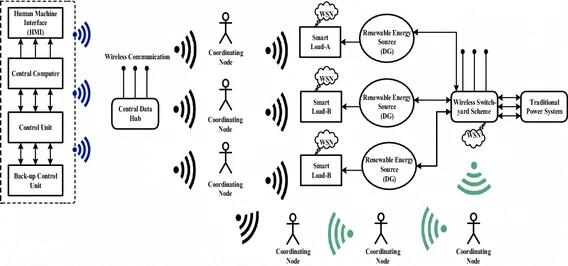
- Two-way communication between the user and the grid, which improves understanding of real-time power use, demand, and price signals.
- Reduced waste of paper and other resources, and lower maintenance and labor costs through automated reading and reporting.
These features provide the grid with more accurate and detailed data for analysis and response, and enable two-way communication between users and the grid. Smart meters can transmit readings periodically without manual intervention, commonly at intervals of 15 minutes, which makes dynamic pricing feasible.
Related Reading: DIY Smart Meter PCB: Building Your Own Energy Monitoring System
Advantages and disadvantages compared with traditional meters
Advantages
- Real-time monitoring: Smart meters provide real-time visibility into consumption, helping users understand and manage their electricity use.
- Accurate billing: Collected usage data enable precise billing and reduce disputes caused by inaccurate manual readings or aged equipment.
- Energy savings and emissions reduction: By revealing waste and unusual usage patterns, smart meters help users optimize consumption and improve load structure.
- Remote reading: Network connectivity allows remote meter reading, significantly reducing the efficiency and labor costs of manual reading.
- Fault detection: Built-in diagnostics can identify equipment faults in advance, improving grid safety and reliability.
Disadvantages
- Higher cost: Smart meters require more advanced technology and higher upfront costs compared with traditional meters.
- Network dependency: Operation depends on network availability; unstable networks or other issues can cause data loss or service interruption.
- Privacy risks: Cloud connectivity and detailed consumption data raise privacy concerns and require appropriate information security measures.
Related Reading: Installation Steps and Precautions for Smart Meters
Overall, smart meters offer real-time monitoring, accurate billing, energy savings, remote reading, and fault detection, making them a direction for the power sector. However, their higher cost, network dependency, and data privacy protections need continued improvement.