ALLPCB


Definition: Smart Grid
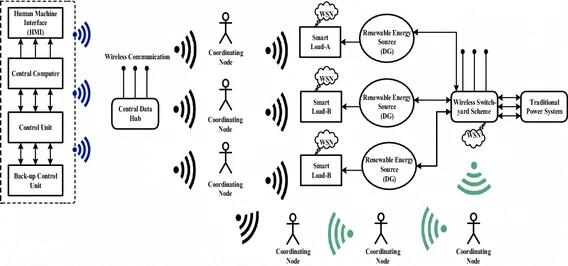
A smart grid, also called an intelligent grid, digital grid, or automated grid, integrates advanced information, communication, control, and power technologies into the power system. Compared with traditional power systems, a smart grid can manage and regulate power supply and demand more intelligently, efficiently, and securely. It also better supports the integration and utilization of distributed generation and renewable energy, providing more reliable, efficient, and cleaner power services.
Smart grids use advanced information and communication technologies. Through internet and big data technologies, they enable dynamic monitoring and dispatch of the power system. Smart metering and interactive technologies allow high levels of consumer participation and customized power services. Smart devices and algorithms can analyze and process power system data in real time, improving system responsiveness and control accuracy while reducing losses and failure rates.
Widespread integration of distributed generation and renewable energy is an important direction for smart grids. Compared with large centralized plants, distributed and renewable resources can more flexibly meet local demand and coordinate with the smart grid for scheduling and management, improving energy utilization and reducing waste and environmental impact.
Definition: Traditional Grid
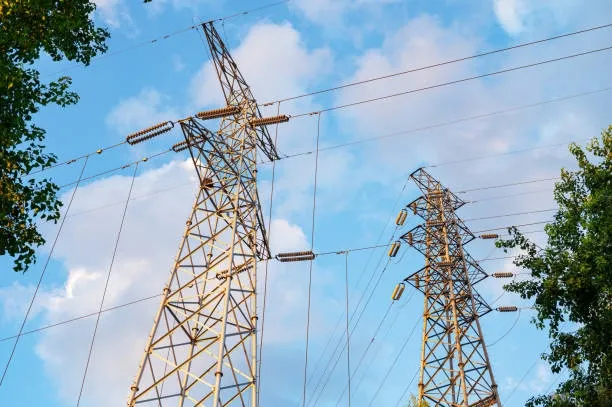
A traditional grid generally refers to a centralized power system composed of central generation plants and transmission and distribution infrastructure. Power is transmitted from central generation stations to end users via transmission lines. Key characteristics include centralized generation, long-distance transmission, relatively high losses, strong system stability, and significant control challenges.
In traditional systems, generation is typically driven by coal, oil, or natural gas. Forecasting and dispatch are performed on hourly time scales, so the system requires stable and reliable fuel supply and strict control over power quality, stability, and losses. Generation tends to be localized, while distribution often uses a unidirectional delivery topology. The physical separation between generation and consumption requires long-distance transmission and distribution, which introduces losses and potential instability.
Traditional systems separate transmission, control, and protection into discrete closed loops, which creates challenges in responding to changing user demand, the emergence of new energy sources, and complex load variations. Smart grid technologies are gradually emerging to address these challenges.
Advantages of Smart Grids
Smart grids offer several advantages:
- Improved efficiency and reliability: By applying advanced information, communication, and control technologies, smart grids manage and dispatch the network more intelligently. Automated monitoring, dispatch, and control of operational parameters significantly improve efficiency and reliability.
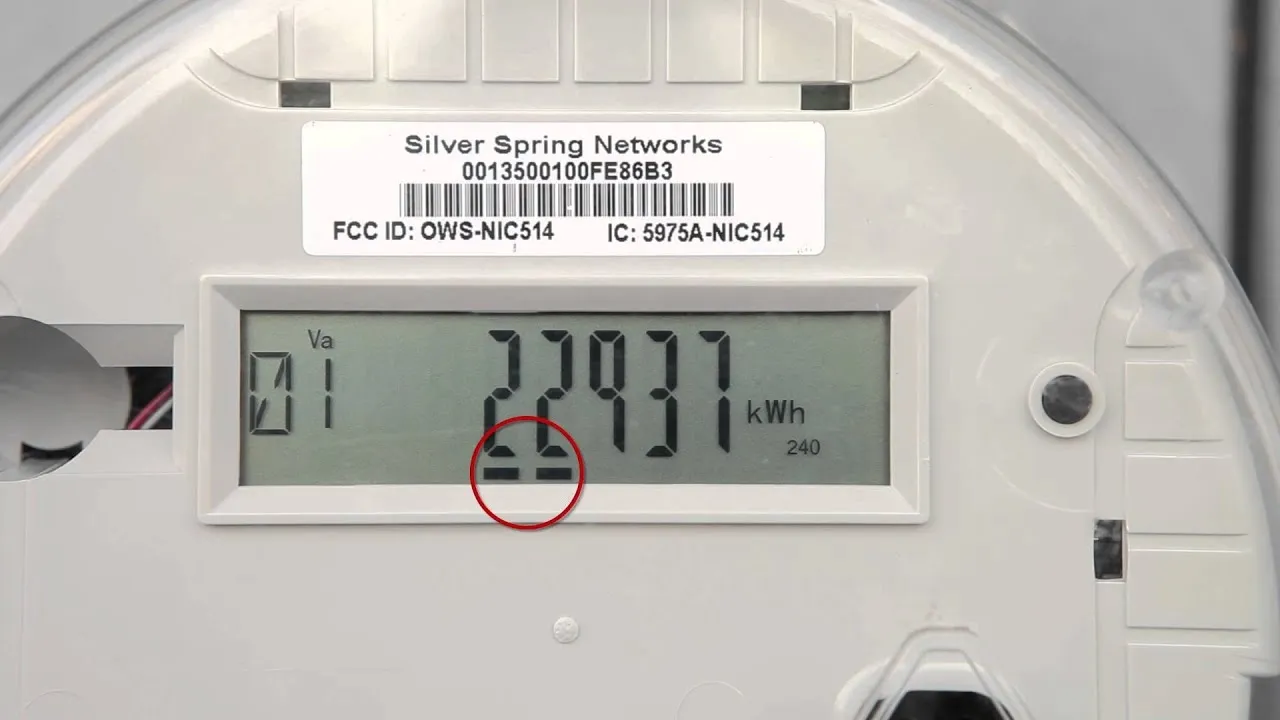
- Clearer energy management: Digital and intelligent methods enable precise sensing, metering, regulation, and management of energy. This gives consumers clearer visibility into energy use and costs and helps assess the contribution and value of different energy sources.
- Support for distributed and renewable energy: Smart grids can more flexibly integrate distributed generation and renewables, such as solar and wind, and combine them with storage technologies to build more resilient and sustainable supply systems, reducing costs and improving utilization.
- Reduced pollution and energy consumption: Intelligent management of devices allows continuous state monitoring and reduces primary energy consumption from HVAC, lighting, and other systems, lowering pollution and environmental impact.
- Lower consumer electricity costs: More efficient energy management reduces waste and improves utilization, which can lower electricity costs for end users.
Advantages of Traditional Grids
Although less advanced than smart grids, traditional grids have their own strengths:
- Stability and reliability: Traditional grids rely on mechanical and electrical equipment and straightforward operational procedures, which often yield high stability and reliability. Metering and monitoring are relatively simple.
- Mature technology: Traditional grid technologies are well established, widely deployed, and organized into proven engineering practices. Operational processes are fixed and predictable, and running costs are often lower.
- Ease of control: The relatively independent and simple management model of traditional grids can make operational control and risk management easier.
- Cost effectiveness: Construction and operation costs for traditional grids are generally lower, making them suitable for regions with limited economic resources. Smart grid deployment typically involves higher initial and operational costs.
- Equipment protection: Traditional grid equipment tends to be durable and easier to maintain, which can help avoid some types of failures and ensure equipment safety.
Key Differences
The distinctions between smart grids and traditional grids appear mainly in the following areas:
- Architectural technology: Smart grids adopt advanced information, communication, and control technologies such as the Internet of Things and big data analytics, building a data-centric system architecture. Traditional grids are based primarily on mechanical, electrical, and control components.
- Reliability and security: Smart grids offer higher levels of automation and adaptive capability, enabling faster response to load changes and improving system reliability and security. Traditional grids have more limited responsiveness and flexibility.
- Energy utilization efficiency: Smart grids can coordinate multiple energy sources to maximize utilization and reduce waste and emissions. Traditional grids have greater potential for efficiency improvements.
- Support for distributed energy: Smart grids better accommodate distributed generation and renewables like solar and wind, supporting cleaner energy deployment. Traditional grids have limited capability to integrate distributed resources.
- Digitalization and intelligence: Smart grids enable fine-grained monitoring and control, supporting advanced optimization algorithms and big data analysis to enhance performance. Traditional grids typically rely on simpler monitoring and control systems.
Overall, smart grids are generally more efficient, intelligent, secure, and better suited to integrating clean energy, while traditional grids remain valuable where stability, maturity, and lower costs are the primary requirements.