ALLPCB


Introduction
As energy costs rise and environmental awareness increases, energy efficiency is becoming increasingly important. The smart grid is becoming highly networked and intelligent, enabling unprecedented levels of power management.
This advanced management is provided by a wide range of devices, most of which rely on switches for functional control and often pair with displays to provide a human-machine interface (HMI).
Because switches are considered low-cost and simple components, designers often give them little attention. However, choosing the right switch can significantly improve a product, while choosing the wrong device can cause premature failures that lead to warranty claims and serious damage to brand reputation.
This technical article examines the role of switch technologies in smart grid applications and highlights some commonly used device families.
Why smart grid reliability matters
Energy systems are changing: in homes, offices, factories, and public spaces we depend more on the power that runs and charges the technologies we use daily. Rising energy prices have put both commercial and residential consumers under pressure to avoid waste. Combined with growing environmental concerns, power distribution and delivery are entering a new phase dominated by smart grid technologies.
Although much of the distribution infrastructure is decades old, adopting smart grid technology enables greater intelligent control, improving overall system reliability and efficiency for suppliers and consumers. Automated smart grids can monitor grid conditions in real time, provide operators with better information, and automatically diagnose many issues. They can also respond automatically to localized faults, for example by changing supply routes, rapidly restoring service to affected areas, or isolating regions to prevent broader cascading failures.
From an energy-management perspective, the smart grid can manage power delivery and encourage off-peak usage by sending automated signals to consumers when electricity prices are lower. In extreme cases, noncritical loads can be curtailed when supply is constrained, ensuring essential services such as hospitals continue to operate normally. In the future, electric vehicles will be major grid consumers; the smart grid can control vehicle charging and could even borrow energy from parked, connected vehicles during peak periods and return it during off-peak hours.
The smart grid also enables distributed generation, allowing small users or homeowners to supply power back to the grid and earn revenue. However, the smart grid’s reliability is only as good as the “intelligent” technologies it employs.
Smart grid devices and the role of switches
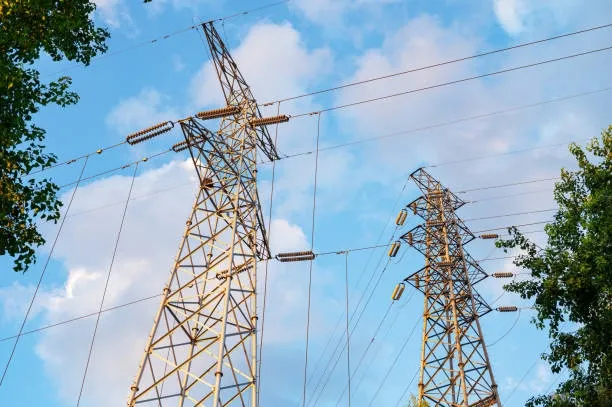
Devices that make up the smart grid are diverse, but they fall broadly into three areas: transmission, distribution, and distribution automation, as summarized in Figure 1.
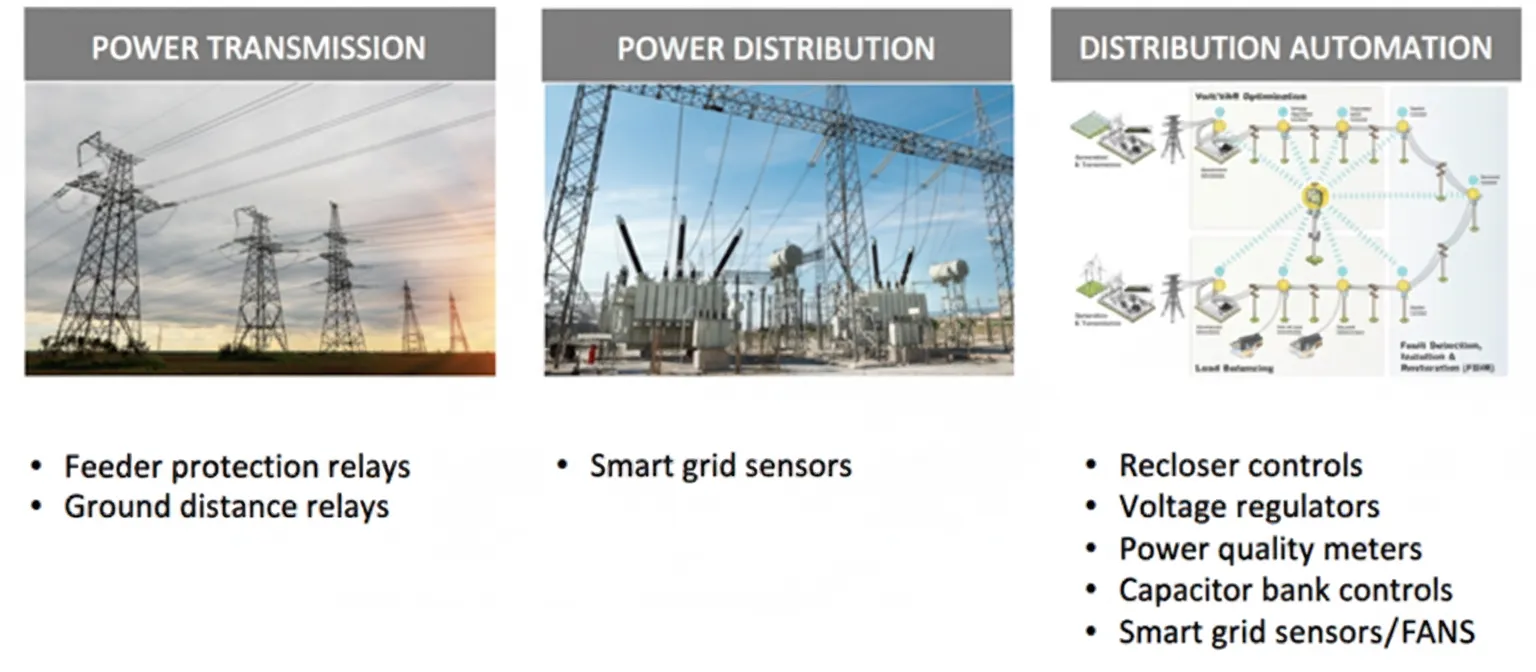
Figure 1: Smart grid relies on reliable operation of many device types
Although these devices vary in size, cost, and function, they all share a common requirement: they rely on various switches to perform functions reliably and repeatably.
Switch functions in these devices are as diverse as the devices themselves, and typically include user input (alone or paired with on-screen soft menus), device communication control, reset and enable functions, and tamper prevention when a device must remain off for safety.
Design considerations when selecting switches
Designers often do not spend the required time selecting switches. Given their low cost and apparent simplicity, engineers sometimes choose them without considering all relevant factors. However, switches form the basis of potentially expensive device HMIs and influence how users perceive a product. A switch that costs $0.50 and fails prematurely can render a $10,000 instrument unusable.
The most basic consideration is the required function type: should the switch latch or be momentary? Next is the number of poles and throws, which defines the electrical requirements. Many designers stop at this point and select a switch.
However, there are many additional factors. Many instruments and devices used in smart grid applications operate outdoors or in potentially harsh environments with moisture, dirt, or dust. Products may have service lives of ten years or more. Contact corrosion and moisture ingress are potential hazards, so designers should consider switch materials, especially contact materials, and ensure that the switch has necessary sealing.
Reliability is critical so the device can operate reliably throughout its life. Switch reliability is measured in number of cycles, so the application and the switch function must be evaluated to determine the correct lifecycle rating. Reputable manufacturers can supply test data showing the cycle life of their switches.
As part of an instrument HMI, ergonomics and appearance matter because they affect user experience and perception of the device. Tactile feedback—how a switch sounds and feels—is an important element because it informs the operator that the switch has been actuated. Choosing a switch with the correct tactile response can give an instrument a “high-quality” feel.
Switch appearance can be augmented with color to indicate function, for example red for stop or green for on. Color coding can identify groups of switches with similar functions or align switch color with a manufacturer’s product aesthetics.
Switch types popular in smart grid applications
Switch types used in smart grid applications vary widely, but certain types are more commonly used:
KSC series – sealed tactile switches
These single-pole single-throw (SPST) momentary pushbutton switches are commonly used for display activation and basic control functions.
The ultra-thin KSC is designed for small-signal applications up to 50 mA and 32 V DC. With a product height of only 2.5 mm and ten actuator styles, it suits many applications. The device is rated IP67 for sealing and is suitable for harsh conditions; optional gold-nickel plated contacts provide corrosion resistance for very low current applications. Versions with gold contacts operate from -40°C to +125°C and can reach up to 5 million actuations. The compact switch is available with 'J' or 'G' SMD terminations for PCB mounting and is supplied in tape-and-reel packaging.
A key feature of the KSC family is the ability of the manufacturer to adjust tactile response using specialized equipment.
E series – sealed miniature toggle switches
The E series sealed miniature toggle switches are available in many configurations and can be specified via a "Build-A-Switch" part-number system to meet most toggle-switch requirements.
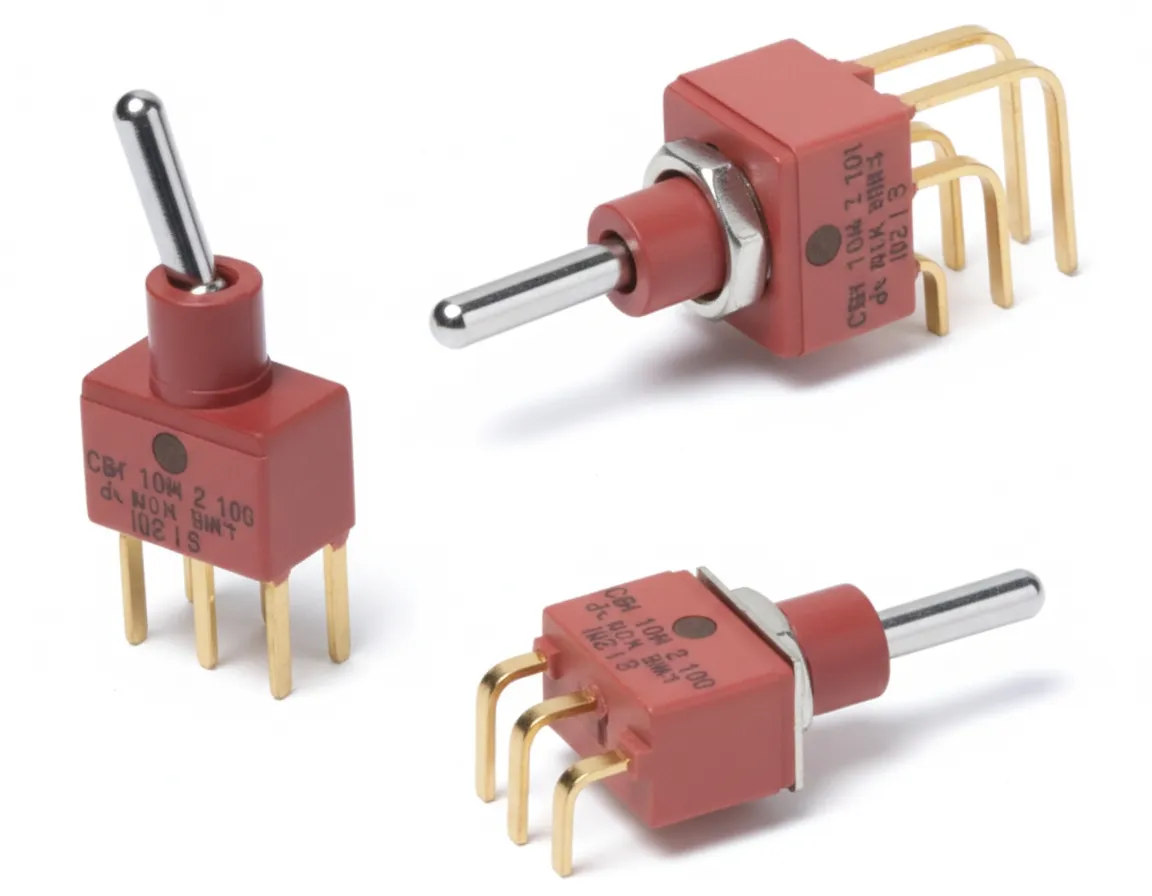
Figure 2: E series toggle switches are available in thousands of variants
The E series offers single-pole, double-pole, and triple-pole configurations with various on, off, and momentary actions. Two sizes of chrome-plated actuators are available, with plastic options. All products include an internal O-ring seal, are rated to IP57, and have epoxy sealing. Carbon-fiber impregnated conductive bushings that can withstand up to 20,000 V DC provide ESD protection.
The E series provides many termination options to suit almost any application, including straight and right-angle PCB mount, solder lugs, wire-wrap, and quick-connect terminals. Contact materials include gold, silver, and matte tin, which can be specified in combinations based on environmental conditions and reliability requirements. These switches can reach 40,000 make-and-break cycles at full load (up to 7.5 A).
7000 series – miniature toggle switches
The 7000 series miniature toggle switches are similar to the E series but offer higher levels of sealing for particularly harsh environments. Like the E series, they can be configured via a "Build-A-Switch" system and are available in single-, double-, and triple-pole configurations with on, off, and momentary actions. Actuator choices include multiple sizes and colors with anti-rotation and locking positions.
Optional gold contacts provide corrosion resistance in harsh environments and are suitable for very low-level signals. These switches use epoxy sealing, meet IP67 standards, and include stainless steel and plated components, making them suitable for severe environments. Their operational life is also up to 40,000 cycles.
Conclusion
Homes, offices, factories, and public spaces rely heavily on a dependable power supply to run the devices that have become essential to modern life. That means devices that make up and manage the smart grid must be highly reliable so power remains available when needed.
Every smart grid instrument depends on switches. Because of their apparent simplicity, switches often receive insufficient attention from designers. However, choosing and deploying the correct switch for any given application enhances the operation and reliability of each smart grid device.