ALLPCB


Key Features of Virtual Reality
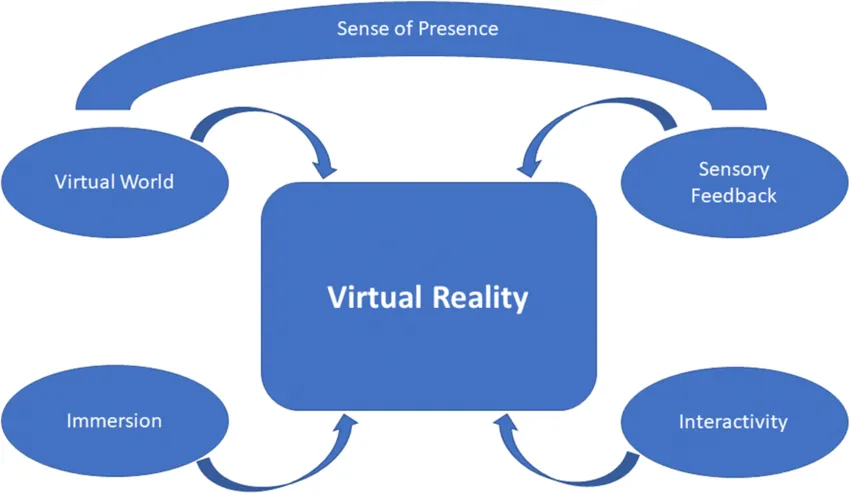
Virtual reality (VR) has three primary characteristics:
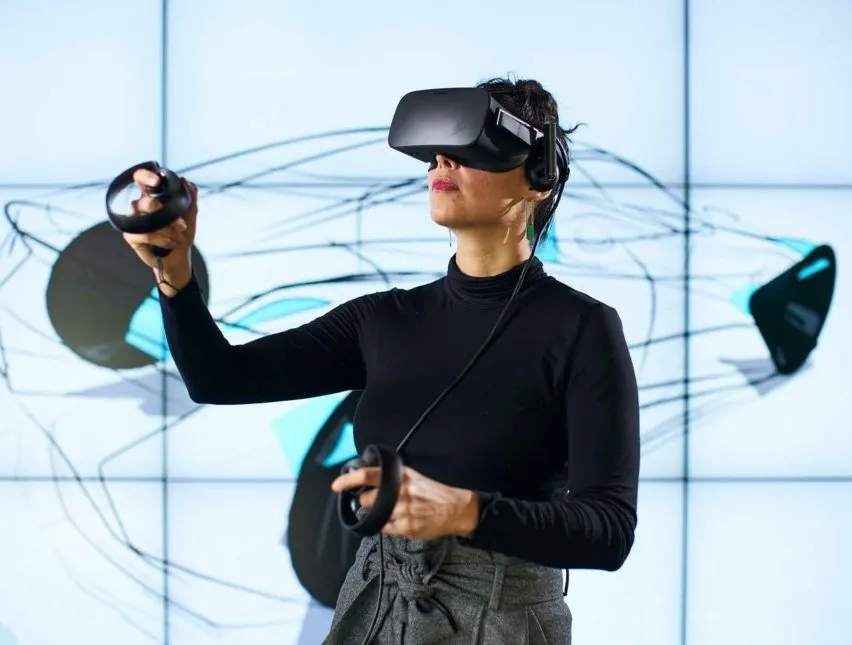
1. Immersion: VR can place users fully into a simulated virtual environment. Using head-mounted displays, controllers, gloves, and other devices, users can experience a strong sense of presence as if they were physically in the virtual world.
2. Interactivity: VR allows users to interact with the virtual environment in real time. Users can control objects and characters through gesture control, voice recognition, touch interaction, and other methods, increasing engagement and bodily awareness.
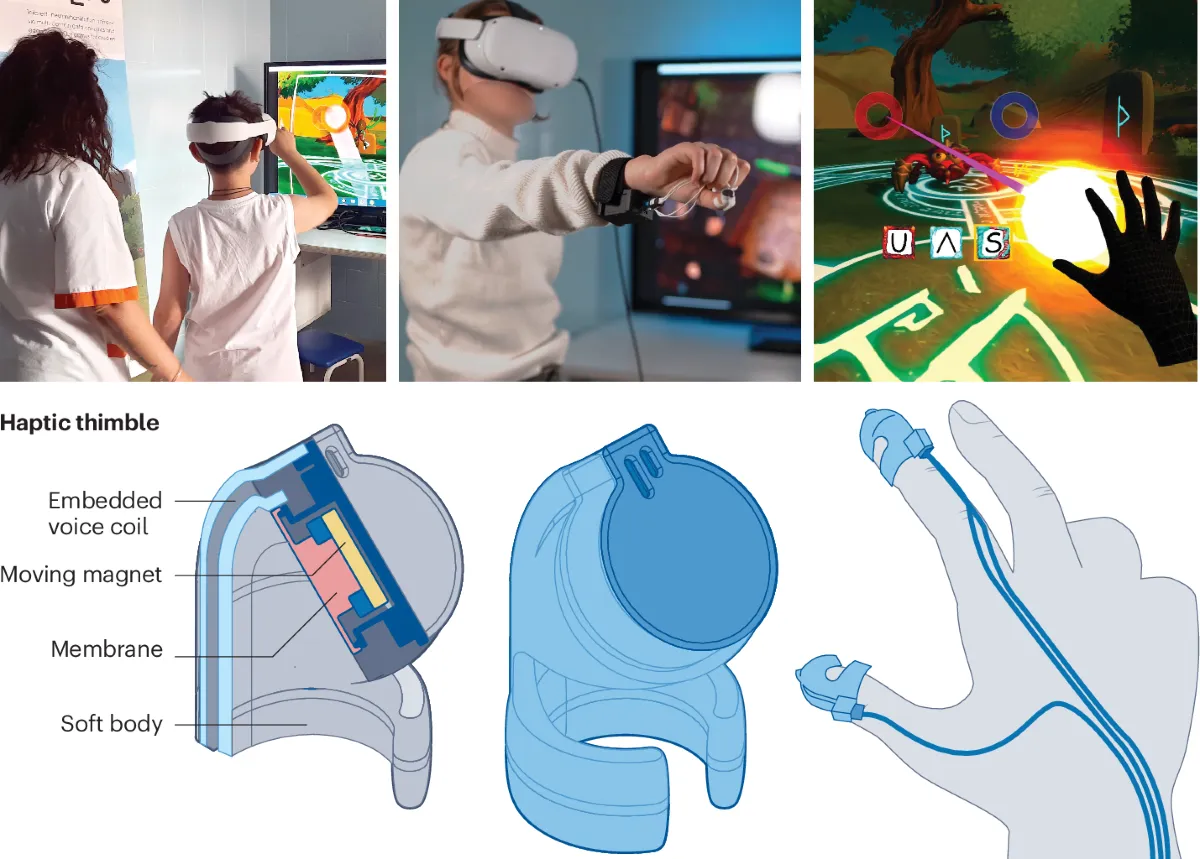
3. Sensory experience: VR simulates visual, auditory, and haptic senses so users can perceive realistic sensations within the virtual environment. Users can see virtual scenes, hear virtual sounds, and, with haptic devices, feel object shapes, weight, and other tactile properties.
Conceptual Architecture of Virtual Reality
The conceptual architecture of VR typically includes the following components:
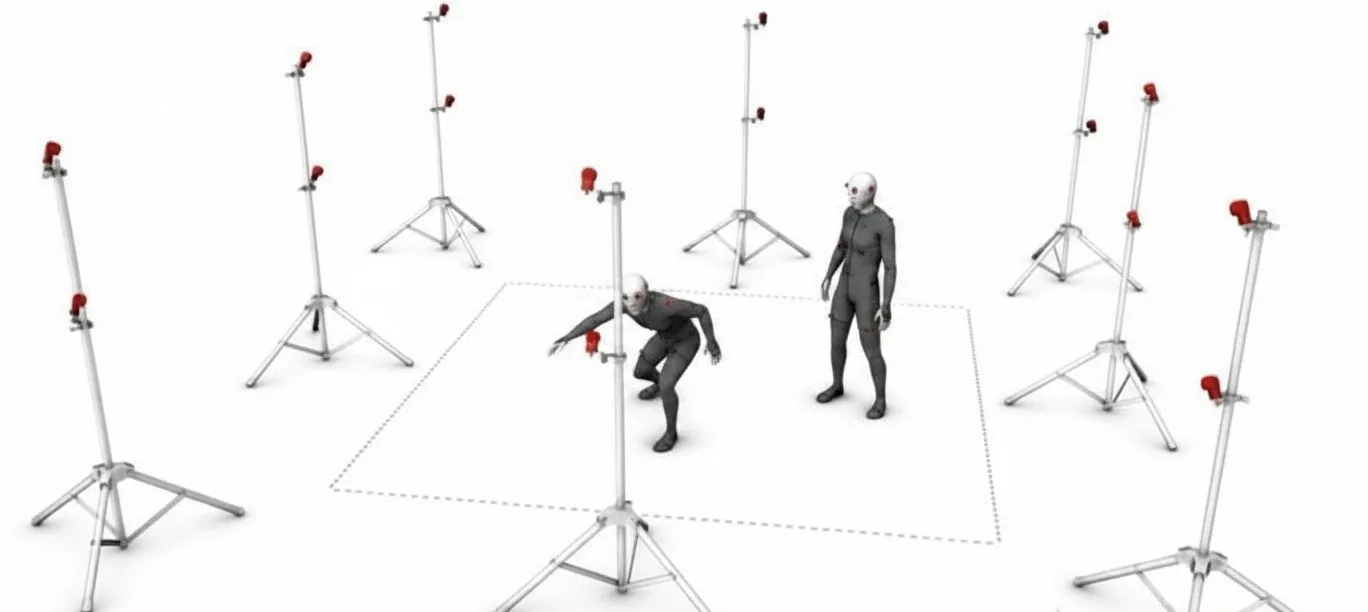
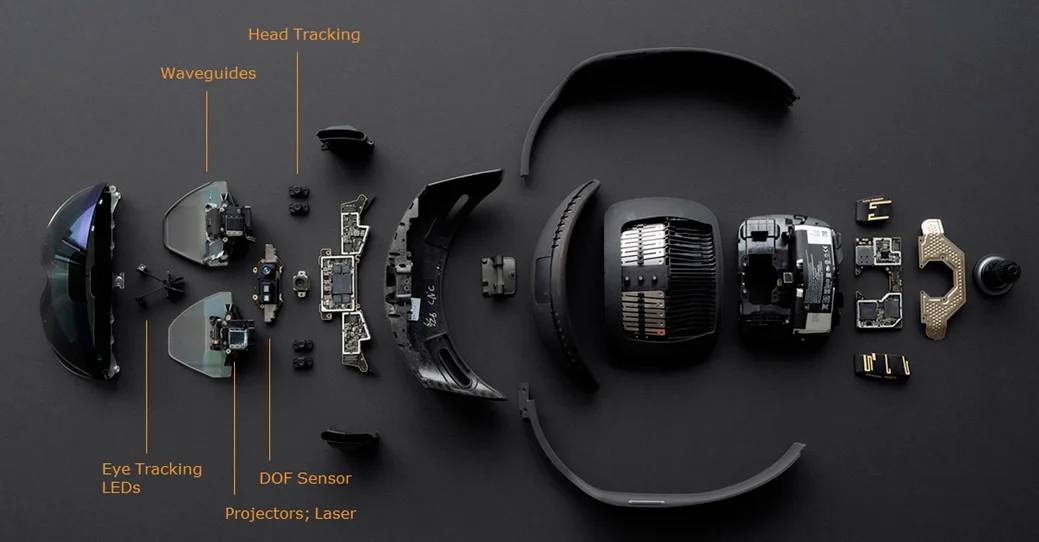
1. User interface: The user interface connects the user to the VR system. It comprises input devices (such as controllers, gloves, and eye trackers) and output devices (such as head-mounted displays, speakers, and haptic feedback devices) to capture user actions and deliver visual, auditory, and tactile information.
2. Virtual environment model: This is the core of the VR system. It includes virtual scenes, objects, and characters, along with modeling and rendering techniques. The virtual environment model describes and presents the appearance, behavior, and physical properties of the virtual world.
3. Interaction techniques: These are the methods that enable real-time interaction between the user and the virtual environment. They cover user control, gesture recognition, voice recognition, and haptic feedback, aiming to provide natural and intuitive interactions that enhance presence and immersion.
4. Sensory feedback: Sensory feedback delivers simulated sensory information to the user, including high-resolution visual output from head-mounted displays, spatialized audio, and haptic feedback such as vibration and force feedback. These technologies increase realism and immersion.
5. Application domains: VR is applied in many fields, including gaming and entertainment, education and training, healthcare, design, and more. Each domain has different requirements, so the conceptual architecture must be customized and optimized for specific use cases.
Applications of Virtual Reality
VR has been applied across multiple domains. Key application areas include:
1. Gaming and entertainment: VR provides immersive experiences for players and is also used in films, music, and experiential venues to deliver diverse immersive entertainment.
2. Education and training: VR offers immersive learning environments that allow students to experience historical reconstructions, geographic exploration, science experiments, and simulated professional training such as flight simulators and surgical practice.
3. Healthcare: VR is used for surgical simulation and planning, pain management, psychotherapy, and rehabilitation. It helps clinicians improve diagnosis and treatment and assists patients during recovery.
4. Architecture and design: VR enables designers, architects, and clients to evaluate and experience designs more intuitively, improving accuracy and efficiency in the design process.
5. Virtual tourism and cultural heritage preservation: VR provides remote tours of landmarks, natural sites, and museums, and assists cultural heritage preservation through digital reconstruction and virtual display.
6. Social interaction and communication: VR supports more realistic social and collaborative interactions in virtual spaces, with potential uses in remote meetings, virtual social platforms, and distributed collaboration.