ALLPCB


Overview
A smart grid is the digitalization of the electrical grid, often called "Grid 2.0". It is built on integrated, high-speed bidirectional communication networks and uses advanced sensing and measurement technologies, device technologies, control methods, and decision support systems to achieve reliable, safe, economical, efficient, and environmentally friendly operation. Key characteristics include self-healing, incentivizing and protecting users, resisting attacks, providing power quality that meets user needs, allowing the connection of diverse generation sources, enabling electricity markets, and optimizing asset operation.
Main Elements
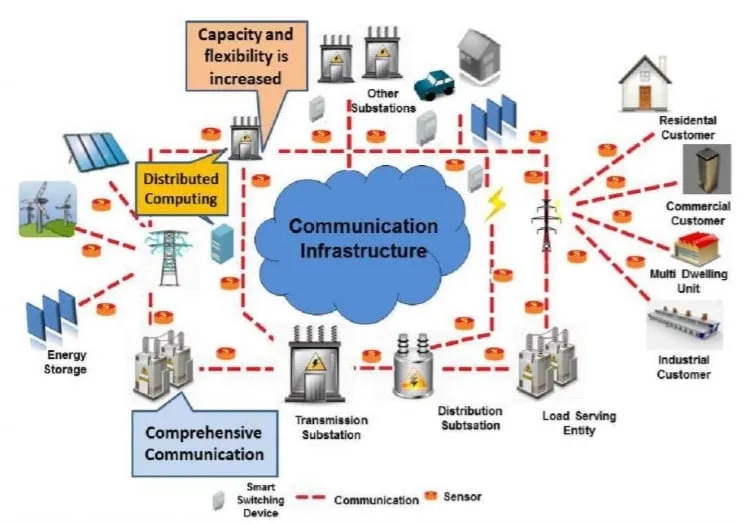
The smart grid consists of many parts, including intelligent substations, smart distribution networks, interactive terminals, smart meters, intelligent dispatching, smart appliances, smart buildings, urban power networks, smart generation systems, and new energy storage systems.
Device Categories
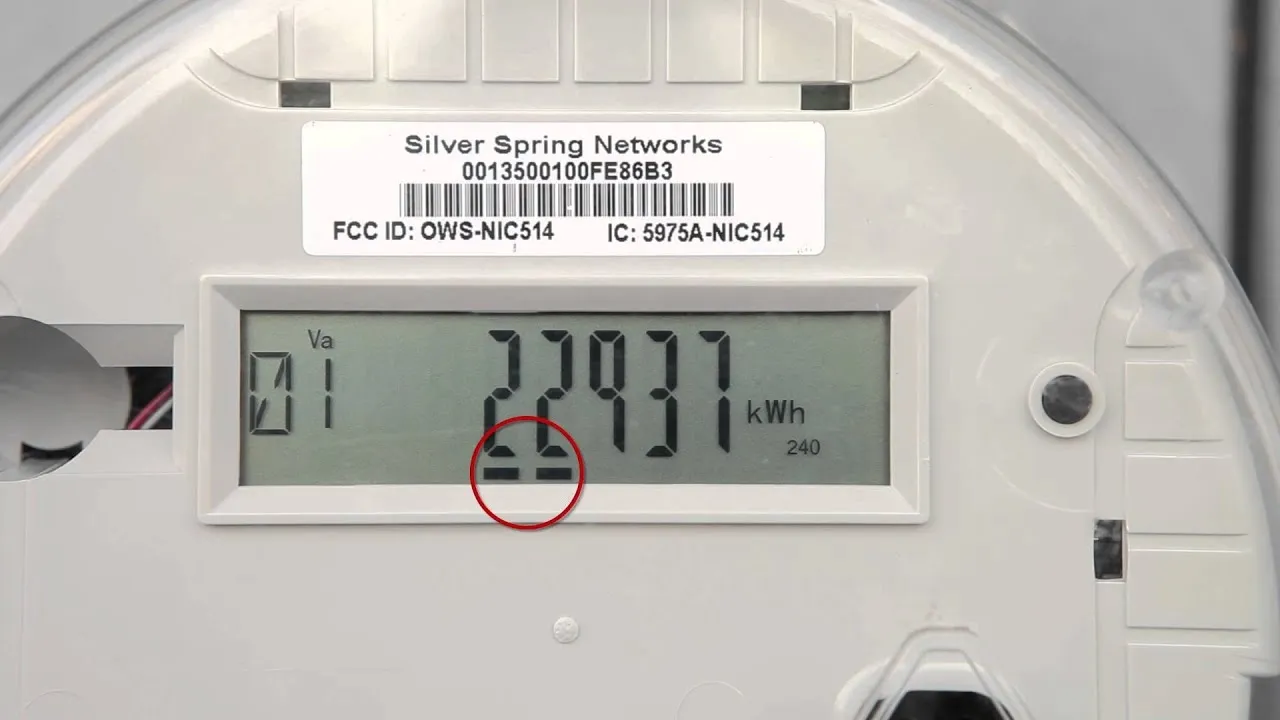
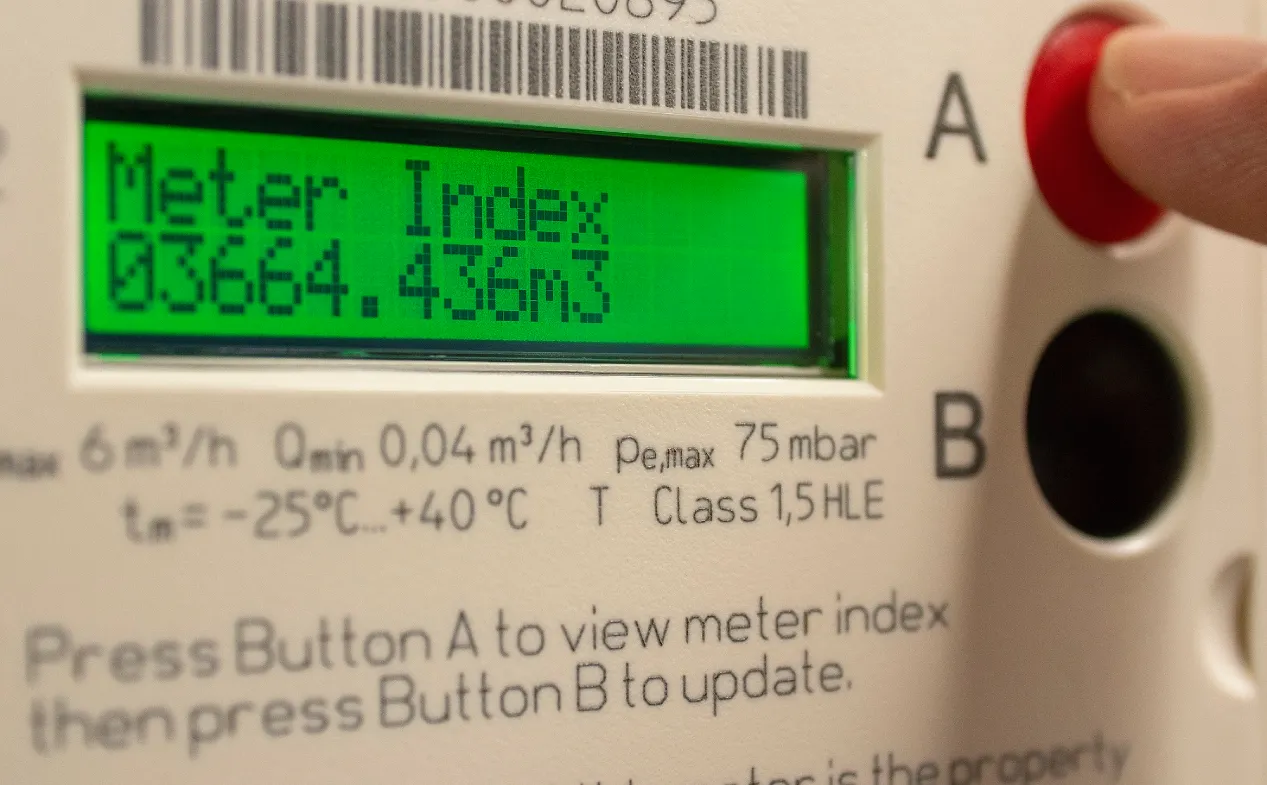
- Smart meter: Smart meters can measure electricity consumption, power, voltage, and other parameters in real time, support remote meter reading, and enable smart charging and load control. Widespread deployment of smart meters enables more accurate monitoring and control of energy use, improving efficiency and cost management.
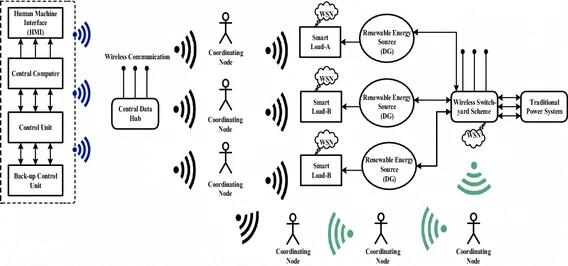
- Smart grid terminals: Smart terminals provide automatic control of energy demand in residential, commercial, and industrial scenarios, such as lighting, air conditioning, and electric water heaters. A central controller is the core device of these terminals; it controls and coordinates interactions among devices to enable autonomous energy management and monitoring.
- Substation intelligent equipment: Substation intelligent equipment includes major boilers, generators, transformers, distribution systems, and electrical loads. These devices can automatically adjust system voltage and frequency, detect faults, and switch to backup systems to ensure stable operation.
- Energy storage devices: Energy storage in the smart grid includes lithium-ion batteries, supercapacitors, hydrogen fuel cells, and similar technologies. These devices store energy and release it when needed, enabling peak shaving and valley filling, reducing system stress, and improving efficiency.
- Smart charging stations: Smart charging stations for electric vehicles can adjust charging power dynamically, monitor battery health, and support load management and remote control.
Summary
Smart grid equipment covers a wide range of devices, including smart meters, smart terminals, substation automation equipment, energy storage systems, and smart charging stations. These technologies improve energy efficiency and operational management, and support the sustainable development of the power sector.
Read full article