ALLPCB


Concept of the smart grid
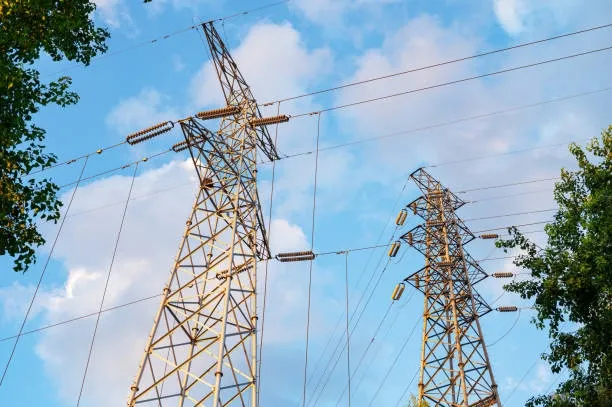
The smart grid is a new energy internet that integrates intelligent power systems, information networks, and new energy technologies. Compared with traditional power systems, it is more flexible, efficient, and reliable. It supports households, businesses, and governments with lower-cost, higher-efficiency power services and addresses future energy challenges.
The concept of the smart grid can be described in three aspects:
- Sustainable energy: A smart grid can organically integrate various sustainable energy sources such as solar, wind, and geothermal, and by managing these renewable resources it helps achieve low-carbon, clean energy objectives.
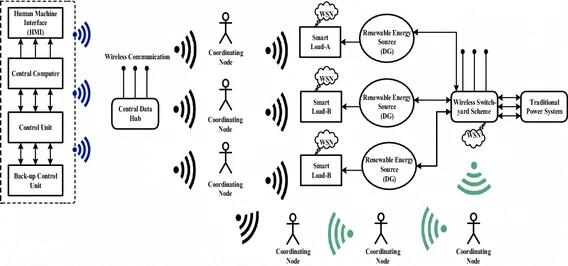
- Energy internet: The smart grid connects energy from different sources and uses intelligent devices for control and management to maximize resource utilization, reduce costs, and improve efficiency.
- Intelligent devices: The smart grid relies on smart devices and control systems capable of remote monitoring, fault diagnosis, and active coordination, enabling better management and optimization of the overall energy ecosystem.
In summary, the smart grid is a technical and information platform designed to transform traditional grids into more intelligent, networked power systems to better meet growing energy demand and environmental concerns.
Key characteristics
The main characteristics of the smart grid include:
- Renewable energy integration: Integrates renewable sources such as solar and wind into the grid to improve energy utilization and reduce carbon emissions.
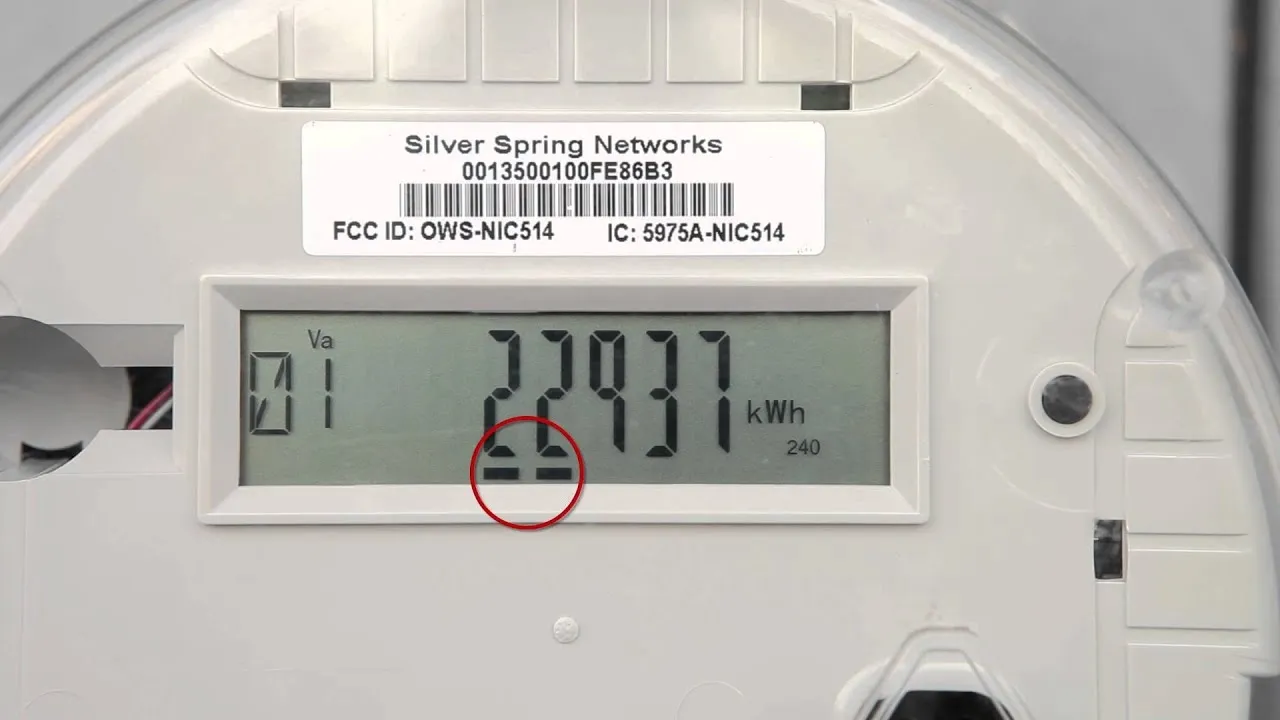
- Two-way communication: Employs two-way communication technologies to ensure secure and reliable energy flows.
- Efficient energy storage: Uses energy storage devices such as batteries and supercapacitors to store and release energy as needed.
- Adaptive and predictive operation: Adjusts energy production and flows adaptively based on load demands and weather conditions.
- Data processing and analytics: Uses big data analytics on real-time data to optimize energy management, improve efficiency, and reduce waste.
- Scalability: Can scale production and storage capacity according to demand.
- Visualization: Provides visual interfaces in control centers to enable remote monitoring and control.
Current status
The smart grid is an important infrastructure for sustainable and intelligent energy systems and has attracted significant attention and investment from governments and industry worldwide. Current status highlights include:
- Rising global investment: Investment in smart grid technologies is increasing with global demand for sustainable energy. According to international energy reports, average annual global investment in smart grids is expected to reach substantial levels by the mid-2020s.
- Improving technology: The smart grid incorporates technologies such as the Internet of Things, big data analytics, and cloud computing, with ongoing innovation providing strong technical support for development.
- Main application areas: Current applications focus on new energy integration, energy storage, and intelligent distribution, including solar and wind grid integration and electric vehicle charging networks.
- Challenges: Development faces complex issues including technical standards, regulatory policy, and data security, which require cross-sector collaboration and continued innovation to address.
Future trends
With advances in information and intelligent technologies, the smart grid is expected to continue rapid development and broader adoption. Key future trends include:
- Infrastructure upgrades: Transition from traditional power systems to digital, intelligent grid systems, building more efficient, secure, and reliable infrastructure.
- Advanced energy management: Use of precise forecasting, controllability, and sustainability through big data analytics to optimize resource utilization and achieve energy savings and emission reductions.
- Cleaner power: Greater adoption of clean energy sources such as solar and wind to reduce environmental impact and support sustainable development.
- Distributed energy systems: Movement toward flexible, open multi-energy systems emphasizing distributed management and efficient utilization, with potential for decentralized operation models.
- Integration with smart cities: Closer integration with smart city initiatives to support smart transportation, smart energy, and environmental services for urban sustainability.
Overall, the smart grid is expected to trend toward greater digitization, intelligence, and clean energy integration, laying a foundation for sustainable, efficient, and intelligent power management.