ALLPCB


Background
In recent years, research and pilot programs for smart grids have been carried out internationally. The concept of the smart grid was originally proposed in the United States to address aging grid infrastructure. It aims to modernize generation, transmission, distribution, and consumption through upgrades to create a more environmentally friendly, efficient, and interactive power system.
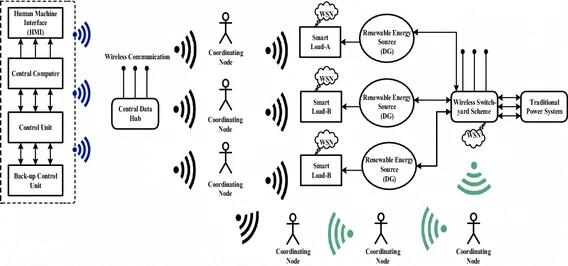
Smart grid technologies integrate advanced sensing, communication, and automatic control, offering self-management, self-healing, and strong compatibility. Their rapid development provides technical support for the seamless integration of distributed energy resources into the grid. By applying advanced control techniques, distributed energy can be integrated with existing power systems to enable plug-and-play operation, real-time interaction, and coordinated control. At present, many distributed energy resources operate in an autonomous mode and lack a long-term, concrete development model for large-scale deployment. Therefore, researching distributed energy development models within a smart grid environment is important for enabling large-scale deployment and addressing strategic goals such as alleviating energy shortages.
Integration with Renewable Energy
Smart grids are closely linked to renewable energy. Renewable sources such as solar and wind are clean and renewable, and they have attracted increasing attention. However, electricity generated by these sources is variable and uncertain, which requires smart grid capabilities for effective management and operation to ensure grid stability and reliability.
Smart grids can transport renewable energy from distributed sources to consumers across wide regions more effectively, while balancing load, power, and energy parameters to ensure stable operation. For example, when solar or wind generation is insufficient, a smart grid can dispatch energy from storage systems to meet demand. When generation is excessive, the grid can route surplus energy to where it is needed to maximize utilization. Advanced information and data processing technologies enable real-time monitoring of such events, maximizing renewable utilization and reducing grid operating costs.
In summary, smart grids help manage renewable energy and promote the use and application of renewables. They reduce reliance on traditional fossil fuels and support the power sector's transition and sustainable development.
Global Trends and China Context
Development of renewable energy and construction of smart grids have become global trends. The development of renewables and smart grids is complementary. From the perspective of renewable utilization, most renewable resources are used by converting them into electricity, and their output characteristics differ from conventional power sources. As the carrier for power delivery, the grid will evolve toward smart grid capabilities, which serve as the platform and essential support for renewable development. Coordinated development of renewables and smart grids is an inherent requirement for China to transform its energy and power development approach and achieve sustainable development.
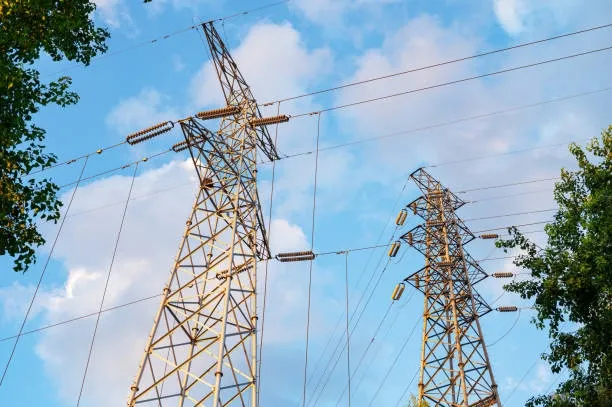
In China, wind and solar resources are often concentrated in western regions that are far from load centers. This spatial distribution increases the need to build robust smart grids to improve large-scale resource optimization, accommodate high levels of renewable integration, and absorb generation. Smart grid deployment aligned with the renewable industry can have strong economic impacts.
Smart grid planning should consider China's historical and economic context to explore efficient development models. Renewable energy refers to technologically developed resources such as solar, wind, biomass, geothermal, marine, and hydropower, i.e., converting these resources into electricity. The main characteristics of renewables are that they are renewable, widely distributed, and diverse, making them suitable for localized and distributed development.
Key advantages of renewables are low or zero carbon emissions. Key disadvantages include low energy density, large land or space requirements, and variability, intermittency, and instability. Maturity of the smart grid is a prerequisite for the renewable industry to overcome development bottlenecks.
Challenges of Large-Scale Integration
Rapid expansion of distributed energy will present significant challenges to current grid operation. Many distributed energy sources exhibit strong randomness and intermittency, such as wind and solar generation. Large-scale integration of clean generation can cause voltage level fluctuations, transmission lines exceeding power limits, increased short-circuit capacity, and changes to system transient stability.
Smart grid technologies that combine advanced sensing, communication, and automatic control provide capabilities such as self-management and self-healing, which support the seamless grid connection of distributed energy. Proper use of advanced control techniques can promote organic integration of distributed energy resources with existing power systems to achieve plug-and-play, real-time interaction, and coordinated operation.
Coordination Priorities and Key Areas
Analysis of coordinated development between renewables and smart grids shows that coordination between the grid and generation is relatively high, while coordination in consumption and dispatch is relatively weak. This indicates that the weakest link in achieving coordinated development is the demand side. Therefore, China's priority order for coordinating renewables and smart grids should be demand, dispatch, generation, and the grid.
Different indicators affect the coordination degree of each link, which determines the priority focus for coordinated development. Key focus areas include:
- Generation: build grid-friendly renewable plants, improve renewable power forecasting, and accelerate construction of flexible peaking resources.
- Grid: accelerate construction of supporting grid infrastructure, increase transmission capacity, and enhance self-healing capabilities.
- Demand: implement flexible pricing mechanisms, strengthen demand-side management, and encourage customer energy storage.
- Dispatch: implement flexible dispatch strategies, strengthen renewable control capabilities, and fully incorporate renewables into dispatch planning and management systems.