ALLPCB


Overview
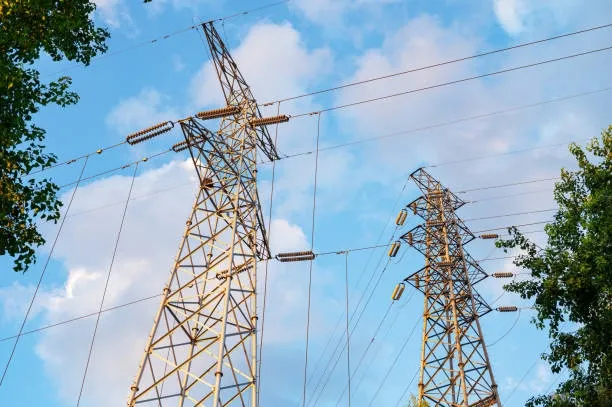
It is often said that the century-old U.S. power grid is the largest interconnected machine on Earth. The grid includes more than 9,200 generator units, delivers over 1,000 GW of capacity, and connects more than 480,000 km of transmission lines. However, the grid has never undergone changes as rapid as those currently under way.
Utilities are investing heavily in smart grid initiatives to reduce costs, increase efficiency, provide greater flexibility for customers, and simplify the integration of renewable generation. Implementing smart grid functionality requires a range of new technologies, including grid protection, power-quality enhancement, fast communications, cybersecurity, and customer monitoring. These developments increase the reliance of grid infrastructure on electronic components that have already driven revolutions in many other fields.
This article reviews opportunities for electronic designers as the smart grid expands and describes a range of modules from major suppliers that are designed to power electronic systems and meet the unique challenges of next-generation power networks.
The power transition
The smart grid transition is driven by multiple factors, including consumer response to rising prices, higher raw energy costs, deregulation, and pressure from environmental groups to limit new fossil-fuel power plants. This disruption is introducing computing, digital communications, and bidirectional energy flow into a historically conservative industry to significantly improve grid performance.
Although the smart grid is complex, it can be considered across four key areas: infrastructure, communications, metering, and renewable generation.
Engineers responsible for upgrading existing infrastructure to smart-grid status focus on protection, monitoring, and power quality. Beyond wires and poles, that infrastructure includes distribution-automation resources equipped with sensors to collect data and send information about grid status and performance to utilities operating centers, enabling operators to adjust and control assets from centralized locations. The smart grid can also automatically monitor, protect, and optimize distribution to industrial and residential consumers. Built-in intelligence allows rapid automated intervention during faults, reducing outage duration.
Another key difference between smart grids and traditional networks is bidirectional power flow. Utilities can move away from centralized generation and encourage distributed renewable resources such as wind turbines and rooftop photovoltaic panels. The smart grid can also reduce system losses, improving overall efficiency and helping to lower carbon emissions and other pollutants [1].
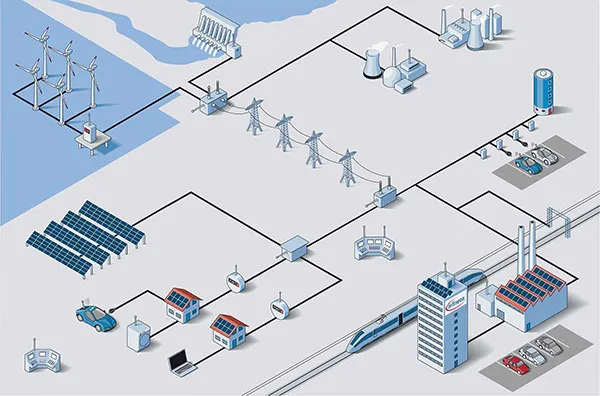
Figure 1: The smart grid will incorporate traditional and diverse generation.
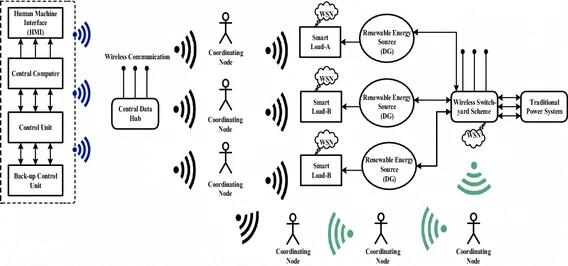
Smart-grid information systems include power line communication, Ethernet, serial links, and various wireless technologies such as ZigBee, 6LoWPAN, and sub-1 GHz connectivity.
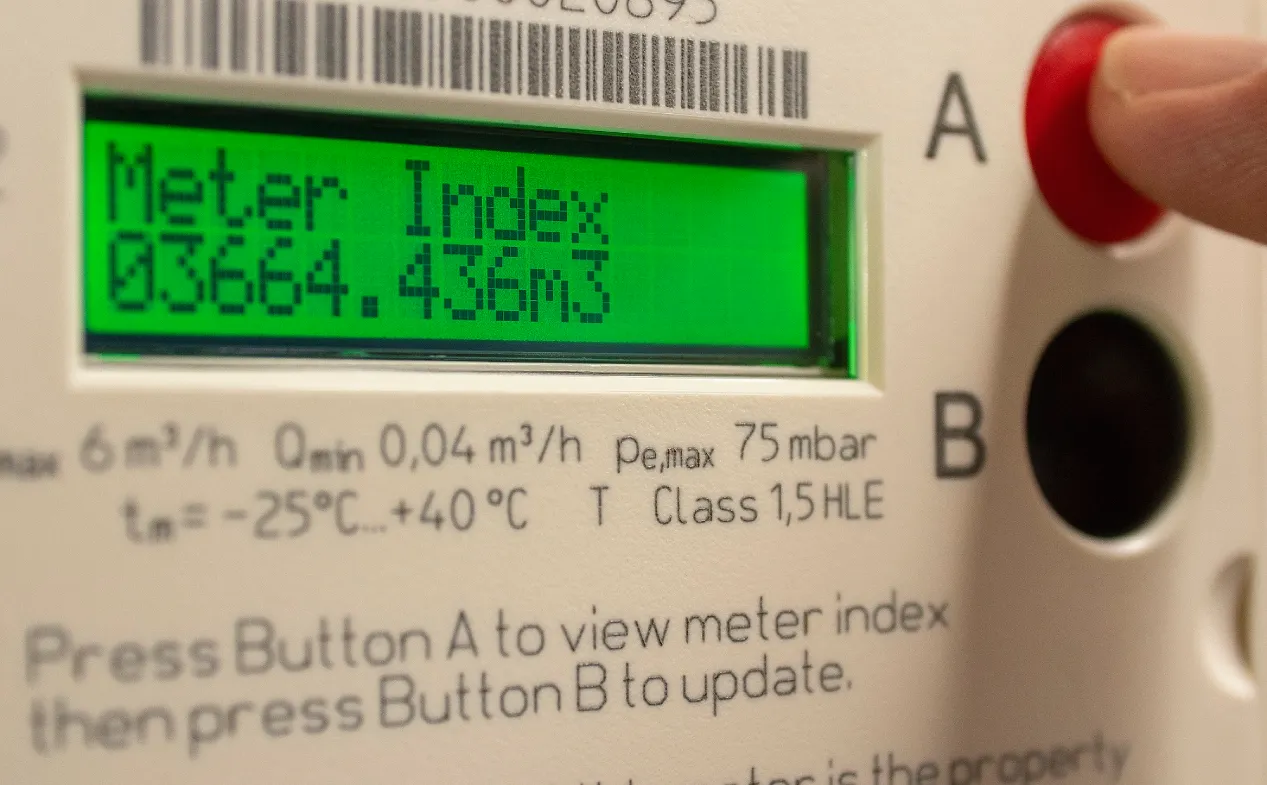
Consumers often associate the smart grid with smart meters, which provide fine-grained data on usage trends that allow customers to adjust consumption and take advantage of lower tariffs, while enabling utilities to smooth demand peaks. But smart-metering extends well beyond homes and offices. Advanced metering infrastructure provides automated billing, remote connect/disconnect of individual meters, and the two-way communications needed for demand-response programs. AMI networks also enable real-time monitoring of grid operations and immediate outage notification to accelerate utility response.
Crucially, renewable generation is a major challenge as generation expands beyond hydro and utility-scale wind farms to microgrids comprising groups of homes supplying power from solar panels. Inverters are the key components that control current between PV cells on panels and the grid. Engineers must implement this control in an efficient, reliable, and cost-effective manner.
In the United States, ten states—including California, Florida, New York, Pennsylvania, and Texas—are leading smart-grid deployments. Collectively, these states have received a substantial portion of federal smart-grid investment funding.
This momentum is driving demand for electronic components. Silicon suppliers have developed a range of components that enable engineers to design products for smart-grid applications; each of these products requires a power supply capable of meeting the demanding requirements of smart distribution.
Handling outages
Beyond efficiency improvements, a key advantage of the smart grid is its ability to recover from faults caused by lightning, high winds, falling branches, and other events. Utilities understandably aim to prevent catastrophic failures such as the 2003 Northeastern blackout, which affected 45 million people and left some without power for days.
The smart grid incorporates protection devices such as breakers that disconnect power when anomalous conditions like excessive current or voltage are detected. By locating faults and leveraging bidirectional energy flow enabled by the smart grid, utilities can isolate small sections of distribution where faults occur while rapidly restoring power to the remainder of the network using alternate paths.
Many of these protection devices rely on power supplies from major semiconductor vendors. For example, Texas Instruments supplies a compact 12 W power reference design to power protection relays used in smart-grid breakers.
The design is notable because it handles a wide range of AC and DC inputs (24 to 250 VDC or 88 to 276 VAC) and provides a 15 V, 0.8 A (12 W) output within a 100 mm form factor, making the power supply suitable for protection relays that must fit inside compact enclosures.
The power solution uses a two-stage converter topology, including a DC-DC boost regulator based on the TI TPS40120 current-mode controller, and a quasi-resonant flyback converter input using the UCC28740 PWM controller. The flyback output forms the 15 V, 0.8 A supply.
Achieving interoperability
In traditional distribution networks, infrastructure elements operated in isolation with no mechanism to collect information about grid performance or the causes of faults. Full smart-grid deployment requires replacing these "dumb" devices with intelligent electronic devices that, in addition to performing electrical tasks such as voltage conversion, redirecting power flows, and isolating sections of the grid during faults, continuously monitor voltage, current, power quality, and other parameters that affect grid performance.
This information is exchanged between IEDs so they can automatically act to correct abnormal grid behavior and is reported to operators so they can respond quickly to demand peaks or outages. These communication channels rely on wired and wireless technologies, the Internet, Ethernet, industry standards, and proprietary protocols to provide fast, reliable information transfer.
The distribution industry is working to adopt communication standards to ensure interoperability between different elements of the grid. IEC 61850, originally established for substation communications, is being extended to IEDs across the smart grid because it enables fast data exchange while preserving the original semantic meaning of the information. This standard is expected to significantly enhance communication and coordination across smart-grid infrastructure.
IEC 61850 gateways are a key part of this communications system. TI provides chips that simplify the development of power supplies for these products. Gateways may require multiple power-management devices to handle several AC and DC inputs. Figure 2 shows a voltage-conversion schematic that includes a 24/48 VDC input to 5 VDC switching regulator, a 230 VAC input to 5 VDC switching regulator, and a 5 VDC input to multiple DC outputs via low-dropout linear regulators.
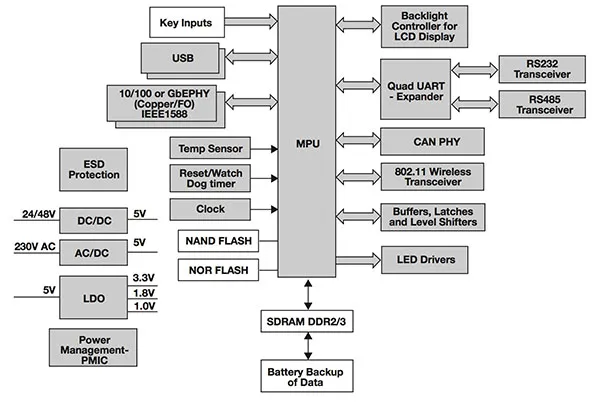
Figure 2: A schematic for an IEC 61850 gateway illustrating the need for multi-voltage regulators.
Another option for gateway power is a power management IC such as the TI TPS69510. This PMIC accepts a 5 V battery input and provides three buck converters, one boost converter, and eight LDOs designed to support the specific power requirements of OMAP-based applications.
The eight general-purpose LDOs power OMAP-based processors, system peripherals, and DDR memory devices that require dedicated supplies.
Managing consumption
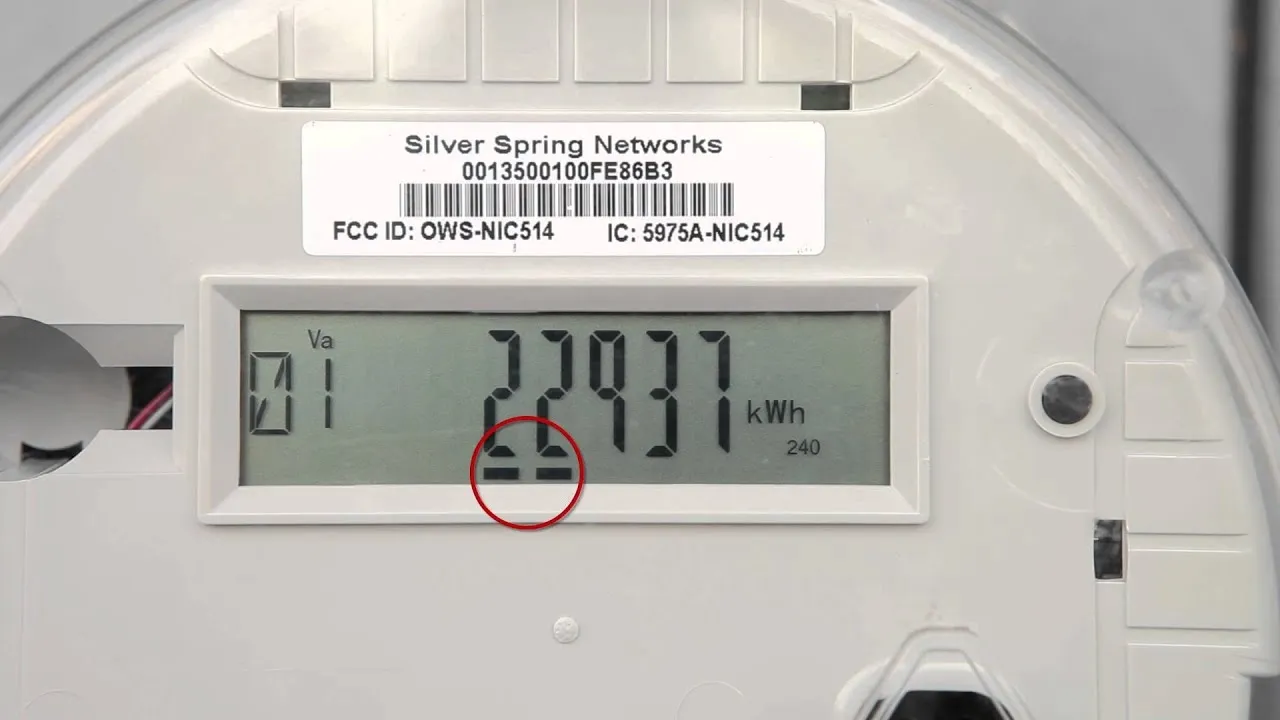
Consumers become familiar with smart-grid concepts when utility crews replace old meters with smart devices in homes. According to U.S. Energy Information Administration data for 2013, U.S. utilities had installed more than 51.9 million smart meters, with 89% of those installations for residential customers.
Smart meters are more than remotely readable monitors. A key advantage of these devices is the information they provide, which allows utilities and consumers to manage supply and demand. Utilities can use this information to identify demand peaks precisely and reserve generation capacity for future peaks. Utilities can also set dynamic tariffs that reflect generation and distribution costs (and carbon intensity) at specific times, or reward consumers for consuming power when renewable generation is abundant.
Some consumers may opt into programs allowing grid operators to automatically cycle appliances to help maintain near-second-scale supply-demand balance.
A drawback of smart meters is their "always online" requirement. Each unit consumes relatively little current, but the aggregate effect across millions of devices is significant. Chip suppliers address these always-on, non-isolated applications by reducing quiescent current in high-voltage power solutions for devices such as smart meters.
Many manufacturers offer AC-DC regulators that meet the stringent requirements of smart meters. For example, STMicroelectronics provides the VIPER06 power module, which operates across 85 to 265 VAC input and integrates an 800 V power MOSFET. The chip can deliver up to 8 W while maintaining quiescent currents of only a few hundred microamps.
TI has recently introduced the UCC28880, an AC-DC switching regulator targeted at smart-meter applications. The UCC28880 integrates the controller and a 700 V power MOSFET in a single device and includes a high-voltage current source that allows direct startup and operation from the rectified supply voltage. The device's quiescent current is under 100 μA, improving solution efficiency. Using the UCC28880, engineers can implement common regulator topologies with a minimal number of external components.
Utilities also deploy concentrators as part of their metering systems. A concentrator collects data from a group of smart meters, aggregates and analyzes it, and then transmits the data wirelessly or via power-line modems to the utility. Concentrators can also deliver information from central control to meter groups and facilitate maintenance tasks such as remote firmware updates.
In addition to supplying power modules for smart meters, STMicroelectronics offers solutions for concentrator power requirements. Concentrators have similar but higher power demands than meters due to increased processing.
STMicroelectronics introduced the Altair 04-900 AC-DC switching regulator for concentrator applications. Based on a quasi-resonant flyback topology, it operates from AC mains and features a 900 V breakdown power stage. Altair has low standby consumption (around 1 mA) and overcurrent protection to prevent transformer saturation and secondary diode short circuits. The company also provides a power reference design for smart-metering applications, part number STEVAL-ISA105V1.
Significant benefits
Modernizing decades of power infrastructure through computing and communications is a large and costly undertaking in the United States and other developed countries. The work will require multibillion-dollar investments to upgrade grid segments without causing customer disruptions.
However, the benefits are substantial. The smart grid will improve system efficiency by reducing losses, facilitate integration of renewables (reducing the need for continuously running fossil-fuel "baseload" plants), and enable utilities to incentivize reduced consumption through flexible tariffs. Increased renewable contribution also helps authorities meet carbon-reduction commitments.
The smart grid can also limit disruption from outages by allowing operators to quickly isolate faults and reroute power to as many consumers as possible while corrective actions are taken.
Success of the smart grid will depend heavily on advances in silicon and innovative engineering; those products will in turn depend on power modules that meet smart-grid requirements such as wide input-voltage ranges and low quiescent currents. Many integrated commercial solutions are already available for engineers seeking opportunities in this growing market segment.