ALLPCB


What is MR equipment?
MR (mixed reality) is a virtual reality technology that merges virtual content with the real world. Common MR devices include the following types.
Common MR devices
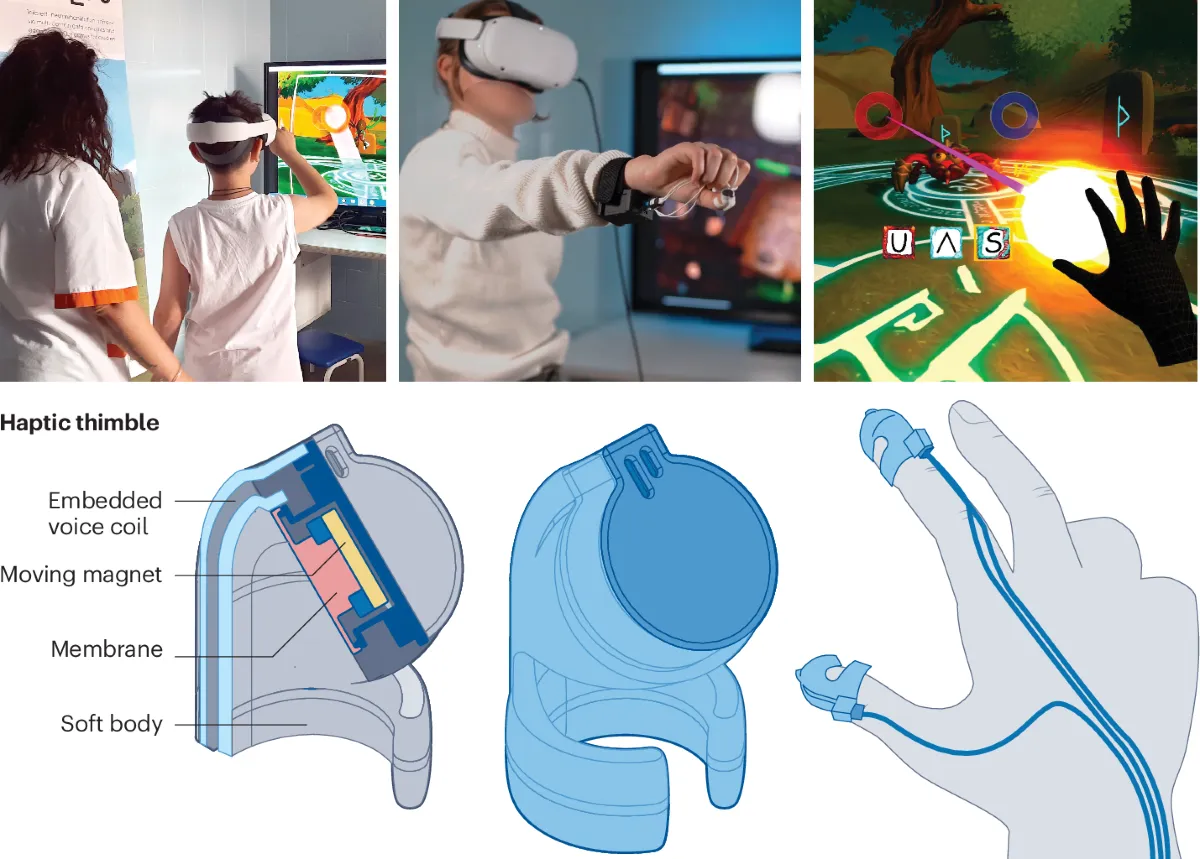
Head-mounted displays (HMDs): These are among the most common MR devices. They are similar to VR headsets but use transparent optics to overlay virtual content onto the real world while maintaining awareness of the physical environment.
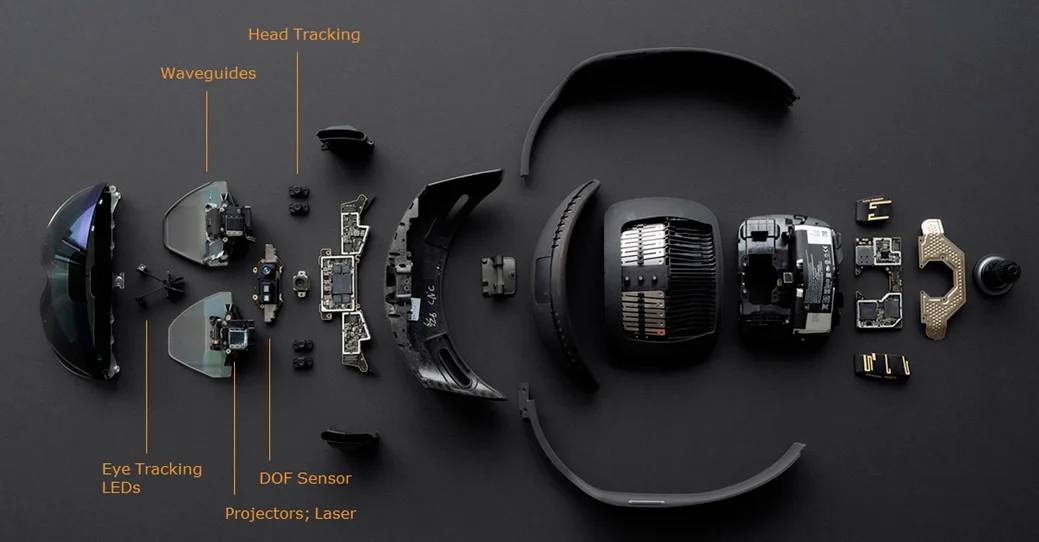
Mixed reality glasses: Wearable devices similar to HMDs that integrate virtual content with the real world. Examples include Microsoft HoloLens and Magic Leap One.
Handheld devices: Smartphones, tablets, and some AR-enabled glasses can deliver MR experiences. With dedicated apps or accessories, these devices display virtual content and enable interaction with the real environment.
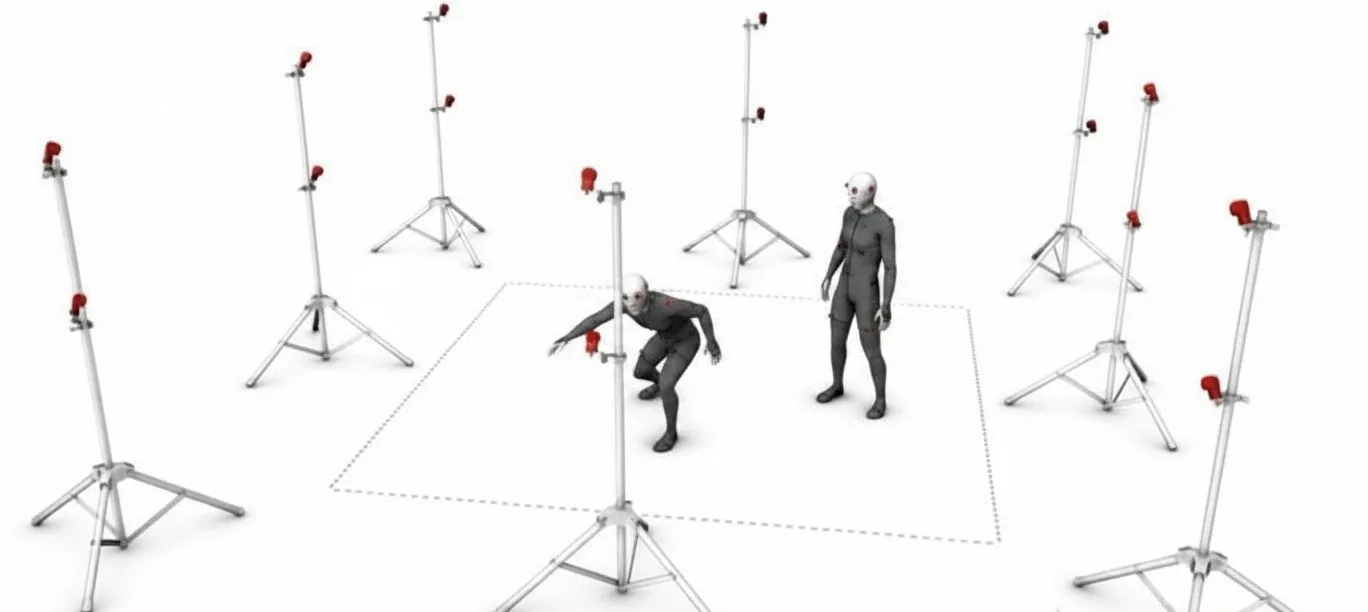
Tracking devices: Tracking cameras and sensors are often required to implement MR experiences. These devices track user position and motion so virtual content can be accurately overlaid within the user's field of view.
These devices allow users to see and interact with virtual objects within the real world, creating a blended interactive experience. As the technology evolves, MR devices continue to develop and find applications in more fields.
Differences between MR and VR
MR (mixed reality) and VR (virtual reality) are different virtual reality approaches with several key differences.
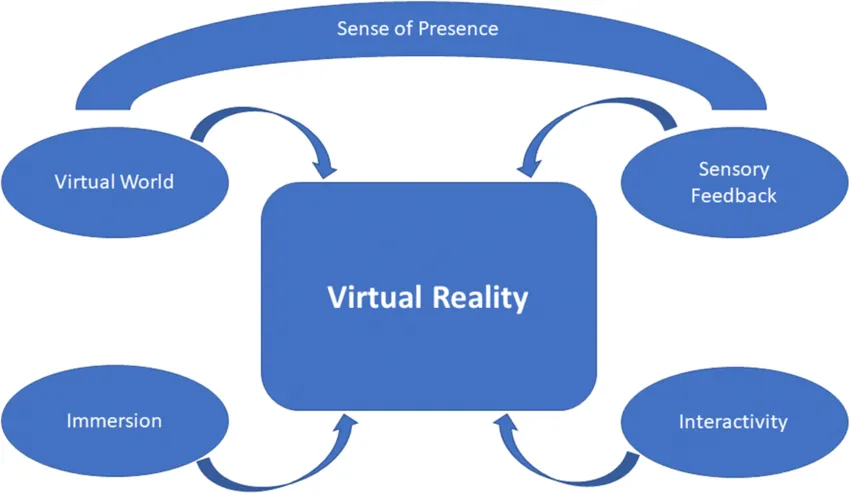
Definition: MR combines virtual content with real-world objects and environments, allowing users to interact with virtual objects in a real context. VR creates a fully virtual environment that replaces perception of the real world.
Environment: MR overlays virtual elements onto the real-world environment, so users perceive both the real world and virtual objects. VR constructs a completely virtual environment, preventing direct perception of the real world.
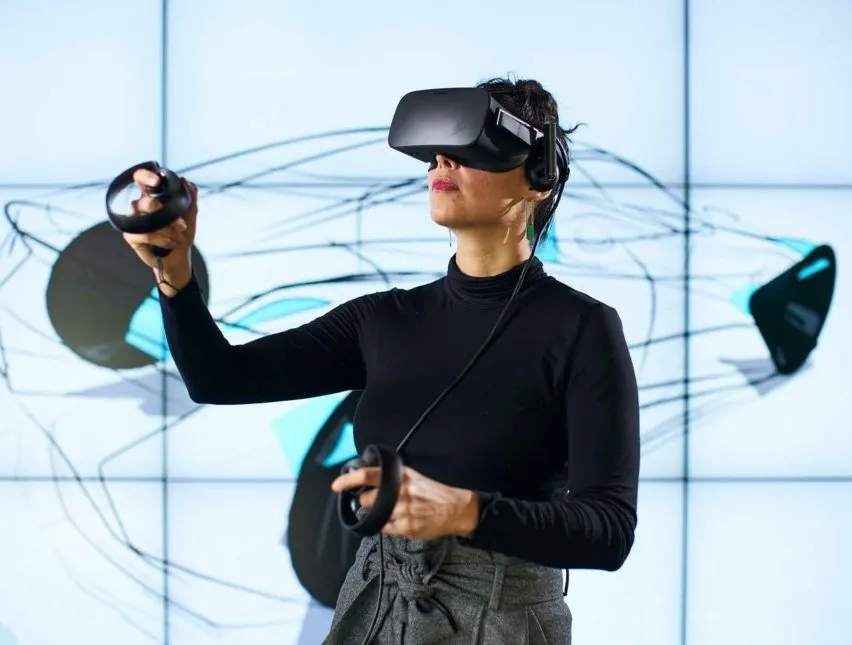
Interaction: In MR, users can interact with virtual objects while operating in the real world. In VR, users typically interact with the virtual environment using controllers, handheld devices, or body movements.
Use cases: MR is commonly used for augmented workflows, training, and applications that integrate virtual elements into real settings. VR is widely used for virtual gaming, simulation training, and immersive entertainment where full immersion in a virtual environment is required.