ALLPCB


The Internet of Things (IoT) has reached its tenth anniversary. Although after ten years of development it can still be hard to define precisely what IoT is, its business models, or its detailed future, applications built on IoT technologies are already pervasive in production and daily life. Examples include shared bikes on the street, smart TVs at home, and automated production lines in factories.
IoT has evolved from initial demonstrations and trials to a fully connected practical stage, and it plays a significant role in disaster prevention and mitigation, resource control and management, new energy development and management, food safety and public health, smart healthcare and eldercare, environmental protection and emission reduction, modern agricultural techniques and management, urban intelligence, modern logistics, and defense industry applications. China has compiled a catalog of over 420 IoT demonstration projects across areas such as smart grid, smart transportation, environmental monitoring, public safety, smart home, and smart hospitals, and has established corresponding pilot and model projects that have contributed to advancing informatization, supporting anti-corruption measures through technology, building national security systems, and promoting energy saving and emission reduction.
Smart Cities and IoT
Smart cities are a major IoT application area, and IoT is a key foundation for smart cities. Both developed and developing countries are incorporating technology into daily urban operations. With IoT, functions such as water management, power supply, sanitation, urban traffic, solid waste management, e-government, IT connectivity, and public transportation are being modernized. An industry review summarized ten primary application areas for IoT.
1. Smart Logistics
Smart logistics uses information technologies such as IoT, big data, and artificial intelligence to enable system-level perception, comprehensive analysis, and processing across transportation, warehousing, and distribution. Current IoT applications in logistics focus on warehousing, transport monitoring, and parcel terminals, enabling monitoring of cargo and vehicles, including position, status, cargo temperature and humidity, fuel consumption, and speed. IoT improves transport efficiency and raises the overall intelligence of the logistics industry.
2. Intelligent Transportation
Intelligent transportation is a key manifestation of IoT, using information technology to closely connect people, vehicles, and roads, improve the transport environment, enhance safety, and increase resource utilization. Specific applications include smart buses, shared bikes, vehicle-to-everything (V2X), charging station monitoring, intelligent traffic lights, and smart parking. The connected car and V2X sectors have attracted major manufacturers and internet companies in recent years.
3. Smart Security
Security is a major IoT market because safety remains a fundamental human need. Traditional security systems are labor intensive, while smart security enables automated decision making by devices. The core of smart security is the intelligent security system, which transmits, stores, analyzes, and processes captured images. A complete smart security system typically includes access control, alarm, and monitoring, with video surveillance being the predominant component in the industry.
4. Smart Energy and Environmental Protection
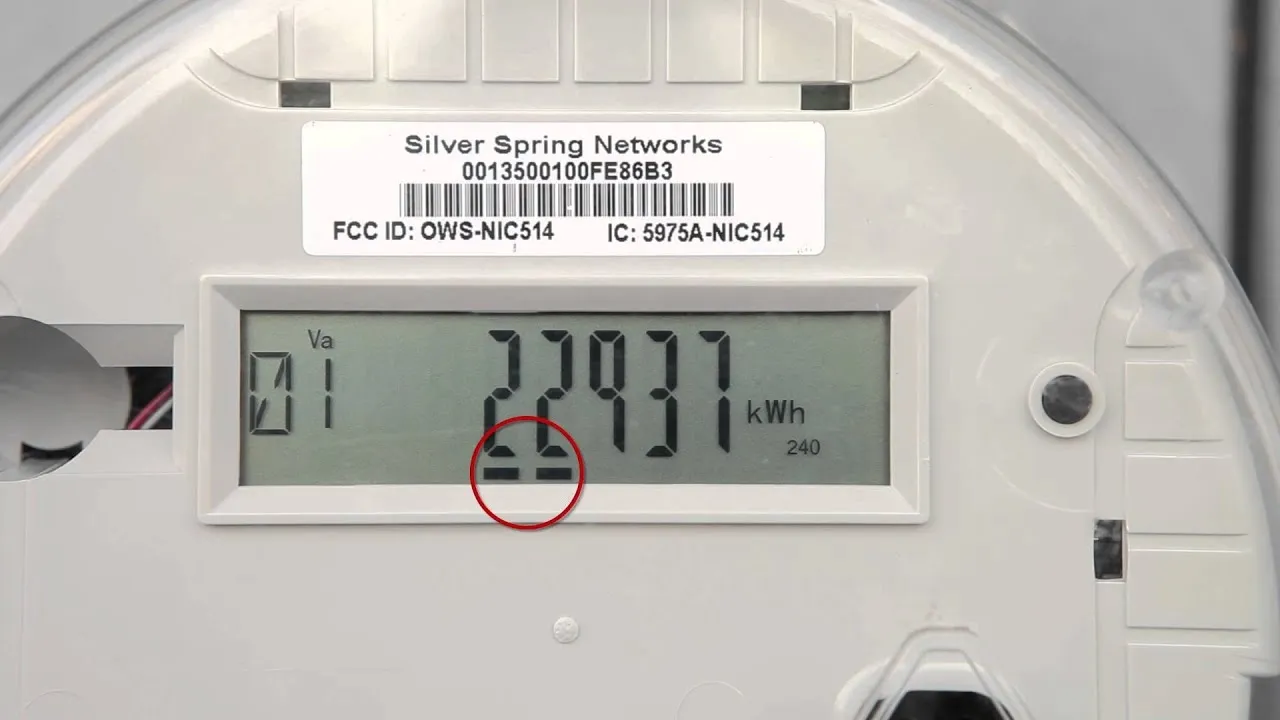
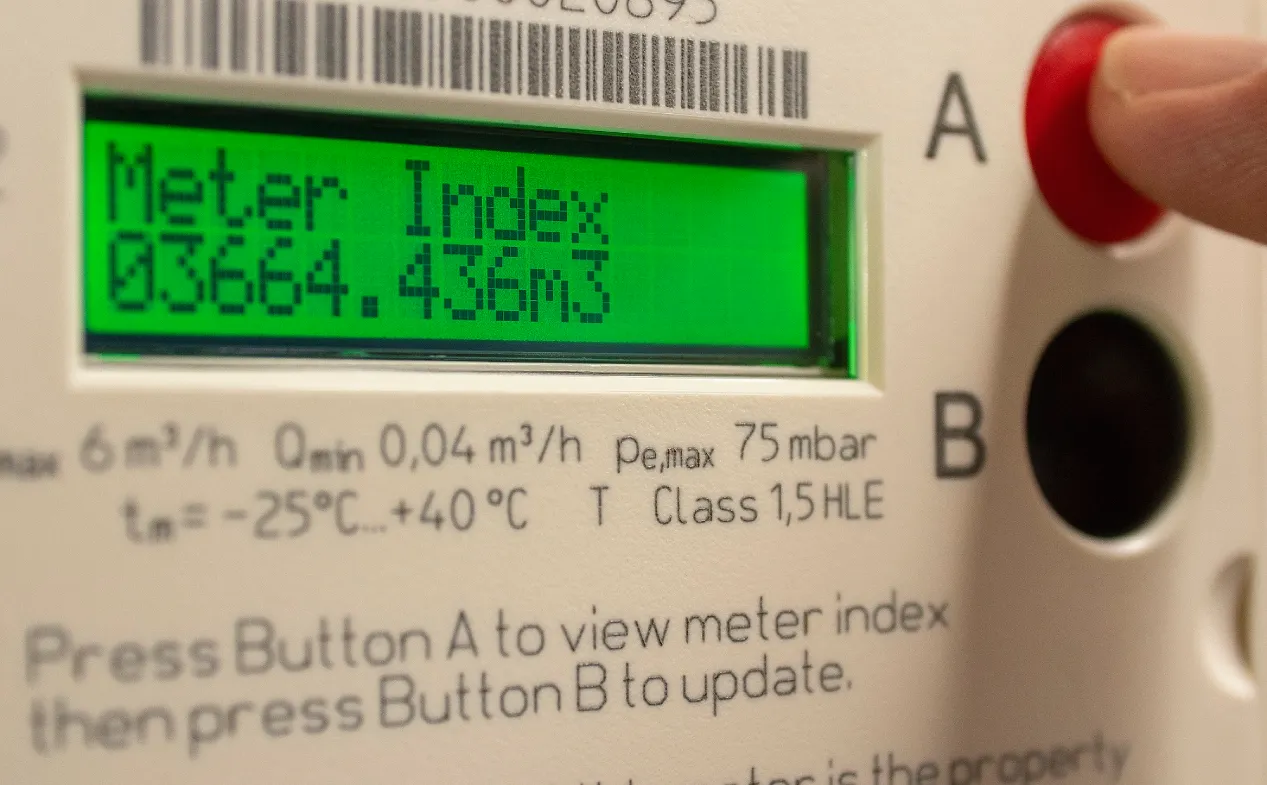
Smart energy and environmental protection are parts of smart city initiatives. IoT applications in this area focus on water, electricity, gas, street lighting, and environmental devices such as manhole covers and trash bins. Examples include manhole cover monitoring for water level and status, smart water and electricity meters for remote meter reading, and smart trash bins with automatic sensing. Networking traditional water, power, and lighting equipment through IoT enables monitoring that improves utilization efficiency and reduces energy losses.
5. Smart Healthcare
New technologies in smart healthcare must be people-centered. IoT is a primary means of data acquisition and helps hospitals manage people and assets intelligently. Managing people refers to using sensors to monitor physiological states such as heart rate, exertion, and blood pressure, mainly via medical wearable devices, with data recorded in electronic health records for access by individuals and clinicians. RFID technology can be used to monitor and manage medical equipment and supplies, enabling visualization and contributing to the digital hospital concept.
6. Smart Buildings
Buildings are the foundation of cities, and technological progress has driven building intelligence. Current smart building applications focus on energy savings by enabling device sensing, transmission, and remote monitoring, which reduces energy consumption and building operations personnel. Typical use cases include lighting control, fire detection, smart elevators, building monitoring, and termite monitoring in historic buildings.
7. Intelligent Manufacturing
Intelligent manufacturing spans many industries and is a major IoT application area. It centers on digital and intelligent factory transformation, including monitoring of mechanical equipment and factory environments. By adding sensors to equipment, manufacturers can remotely monitor, upgrade, and maintain devices, gather product lifecycle information, and inform design and after-sales service. Factory environment monitoring typically collects temperature, humidity, and smoke detection data.
8. Smart Home
Smart home systems use various methods and devices to improve comfort, safety, and efficiency. IoT in smart homes enables monitoring of device location, status, and changes, analyzes behavioral patterns, and provides feedback according to user needs. The industry typically progresses through three stages: single-device connectivity, device-to-device interaction, and platform integration. Current market activity is transitioning from single-device connectivity toward broader device interaction.
9. Smart Retail
Retail can be categorized by distance into three formats: long-range e-commerce, mid-range supermarkets/malls, and near-range convenience stores and vending machines. IoT is most applicable to near-range and mid-range retail, especially unmanned convenience stores and vending machines. Smart retail digitizes traditional vending and convenience formats to create unmanned retail models. Data analysis of in-store traffic and activity enables better customer service and improved operational efficiency for merchants.
10. Smart Agriculture
Smart agriculture integrates IoT, artificial intelligence, and big data with agriculture to enable full-process information sensing, precision management, and intelligent control, supporting functions such as visual diagnosis, remote control, and disaster warning. IoT in agriculture mainly covers crop cultivation and livestock farming. Crop production uses sensors, cameras, and satellites for data collection and digitalization of crops and machinery, including connected agricultural machinery. Livestock farming employs ear tags, wearables, and cameras to collect data on health, feeding, location, and estrus prediction; data analysis and algorithms enable precise management.