ALLPCB


What is inverter islanding?
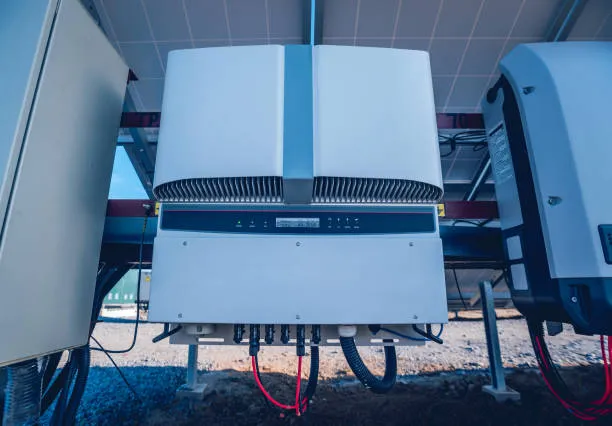
Inverter islanding occurs in photovoltaic or wind power generation systems when the generation system is disconnected from the main grid (for example during a blackout) but the inverter continues to operate and supply power to local loads, forming an isolated power system. Because the inverter keeps supplying energy to the islanded area, this can create safety and grid-operation risks.
Islanding is an undesired operating condition. During a grid outage, inverters should stop operating to ensure safety and compliance. Islanding can endanger personnel who may assume the grid is de-energized during maintenance and then encounter unexpected power. It can also cause incorrect actions by protection devices, leading to false trips or missed operations.
To prevent or suppress islanding, measures commonly include using inverters that meet relevant standards, installing islanding detection devices, and following grid-code requirements for system design and operational procedures.
Causes of inverter islanding
Inverter islanding can be caused by the following factors:
- Incomplete grid-fault detection mechanisms: Inverters are normally equipped with mechanisms to detect grid outages or other faults. If these detection mechanisms are unreliable, insufficiently sensitive, or prone to misjudgment, an inverter may fail to recognize a grid outage and continue operating.
- Abnormal grid parameters: Inverters rely on grid reference parameters such as frequency and voltage to synchronize with the grid. If these parameters deviate significantly (for example, frequency shifts or unstable voltage), the inverter may fail to detect the outage correctly and continue supplying power.
- Incorrect feedback signals: Inverters use feedback signals to monitor grid status, current, and voltage. If feedback signals are interfered with or corrupted, the inverter may misjudge the grid state and remain connected.
- Equipment faults or adverse operating conditions: Internal inverter failures, circuit damage, or poor operating conditions (for example, excessive temperature) can prevent correct detection of grid outage signals or disable protection functions, causing the inverter to continue powering the islanded area.
Common countermeasures to avoid inverter islanding include:
- Use inverters that comply with relevant standards: Select inverter products that meet grid-connection requirements and provide reliable detection and protection functions so the inverter can accurately detect outages and cease operation.
- Install islanding detection devices: Deploy dedicated islanding detection devices to monitor grid status and signal the inverter to stop supplying power when an outage is detected.
- Follow regulations and standards: Design and operate systems in accordance with local regulations and standards to ensure the inverter system meets grid-connection requirements and maintains safety and compliance.
- Regular inspection and maintenance: Perform periodic checks and maintenance on the inverter system to verify proper operation of fault-detection mechanisms and to ensure environmental conditions meet product specifications.
How to implement inverter islanding protection
The following measures are commonly applied to ensure inverters correctly detect grid faults and stop feeding power:
- Select inverters that meet standard requirements: Ensure the chosen inverter conforms to local grid-connection rules and standards. Such inverters typically include reliable anti-islanding features that promptly stop power delivery and disconnect from the grid.
- Install islanding detection devices: Use dedicated devices that communicate with the inverter and monitor grid status. When a grid outage or abnormal condition is detected, these devices issue a trigger signal to the inverter to stop supplying power and disconnect.
- Configure protection parameters correctly: Inverters usually provide adjustable protection settings, such as voltage and frequency windows. During installation and commissioning, configure these parameters to values that comply with local grid codes and requirements.
- Perform regular system testing and maintenance: Periodically inspect the inverter system, including all electrical connections, sensors, and monitoring devices, to ensure the inverter can protect the grid during normal operation.
- Comply with regulations and standards: Design, install, and operate systems according to local regulations and standards covering grid connection, inverter protection, and power-system safety. Compliance helps ensure stable operation of the inverter system and the wider grid.