ALLPCB


Overview
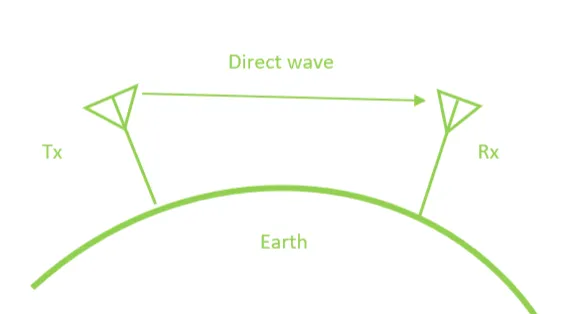
To implement signal transmission and reception, use appropriate methods and equipment as described below.
Signal transmission
- Use a signal generator: select the appropriate type of generator and set frequency, amplitude, waveform, and other parameters as required. Connect the generator's output to the target device or circuit to be driven. The generator will produce the configured signal and transmit it to the target.
Signal reception
- Use a receiving antenna: choose the appropriate antenna type and orient and position it to receive the target signal.
- Use a signal receiver: connect the receiving antenna to the receiver input. The receiver can be a radio receiver, tuner, analog to digital converter, or similar device. By setting the correct receive frequency and using appropriate demodulation or decoding techniques, the receiver converts the received signal into a usable form.
Key considerations
- Frequency and waveform matching between transmitter and receiver.
- Appropriate matching between transmit power and receiver sensitivity.
- Specific signal types may require particular modulation, demodulation, or codec techniques, so select suitable equipment and algorithms.
Application-specific technologies
In specific applications such as wireless communications, radar, or remote control, additional specialized techniques and equipment may be required, for example antenna arrays, modems, and filters, to meet particular requirements.
Can a transceiver display distance range?
Generally, a basic transceiver does not directly display distance. Transceivers primarily send and receive signals and convert them into forms for further processing and analysis. Distance estimation is typically performed and displayed by other devices or algorithms.
For applications such as radar or rangefinders, specialized transceiver systems and associated equipment are used to measure target distance. These systems rely on specific operating principles and algorithms, using time delays, frequency shifts, or other characteristics between transmitted and received signals to calculate distance.
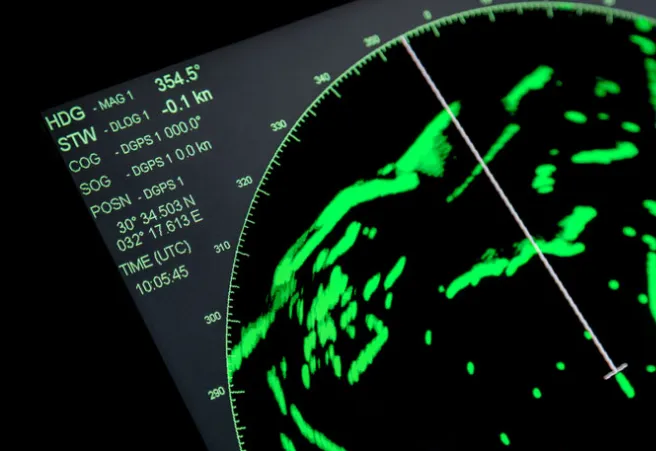
For example, radar systems transmit electromagnetic pulses that reflect off targets. By measuring the time difference between transmission and reception, the system computes target distance and displays the range on a screen or user interface.
In summary, the transceiver itself usually does not display distance; distance measurement and display are implemented by additional devices, algorithms, or systems, and the exact method varies by application and equipment.