ALLPCB


Background
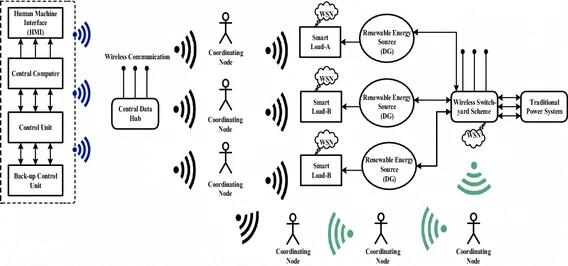
Driven by market demand, technological innovation, and public policy, China’s digital economy is expanding. The objective of the smart grid is to establish a compatible system and use technology to record operations. This can improve on-site operational efficiency, reduce negative safety impacts and economic losses in the power system, and prepare the grid for greater intelligence. It enables continuous equipment data collection, reveals changes in data patterns, mines data, and supports scientifically accurate operational planning.
Smart grids can advance construction of central substation control centers and accelerate the transition and upgrade to an unattended centralized monitoring model for substation operation and maintenance. This greatly increases equipment monitoring intensity, refines operation and maintenance, and improves production informatization, helping address low quality of grid operations and insufficient personnel.
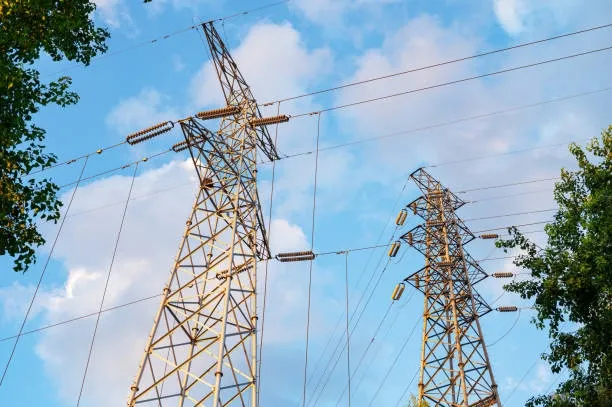
A smart grid data visualization example uses manual placement of substation locations to display 500 kV ultra-high-voltage substations in a provincial area in China on a 3D grid map, and renders the transmission network with dynamic flow effects to illustrate operating status.
Key Trends
1. Energy technology innovation: New energy technologies, energy storage, control, and conversion technologies will provide smart grids with more energy-saving, environmentally friendly, and sustainable solutions.
2. 5G deployment: 5G networks are critical for remote monitoring, computing, and control, and will form an important technical foundation for smart grids.
3. Wide use of big data and artificial intelligence: Smart grids will apply big data analytics and machine learning extensively, enabling intelligent control, adaptive planning, and collaborative optimization.
4. Development of distributed energy systems: Distributed energy, including solar, wind, geothermal, and micro-hydro, will be integrated and managed through smart grids to provide effective solutions for regional and global energy consumption.
5. Building environmentally friendly power systems: Smart grids will incorporate diverse renewable resources to substitute traditional fossil fuels, improving energy efficiency and reducing emissions to form cleaner power systems.
6. Evolution of electricity trading markets: Smart grids will enable electricity trading and sharing, accelerating tokenization and liberalization of electricity markets.
Conclusion
Future smart grids are expected to be more intelligent and efficient, providing higher-quality energy solutions for industrial production, daily life, and cross-regional cooperation worldwide.