ALLPCB


Research background
Flexible power delivery technology offers a new approach for replenishing energy in smart wearable electronic devices. Flexible power solutions have been applied to implantable medical electronics and medical sensors such as capsule endoscopes, addressing the need to avoid surgical battery replacement. Wireless power transfer methods based on flexible conductive materials offer high efficiency, stability, and shape conformability, which can meet multi-scenario energy supply requirements for wearable electronics.
Flexible wireless power technology could establish a new research paradigm and growth area in wearable electronics.
Summary of results
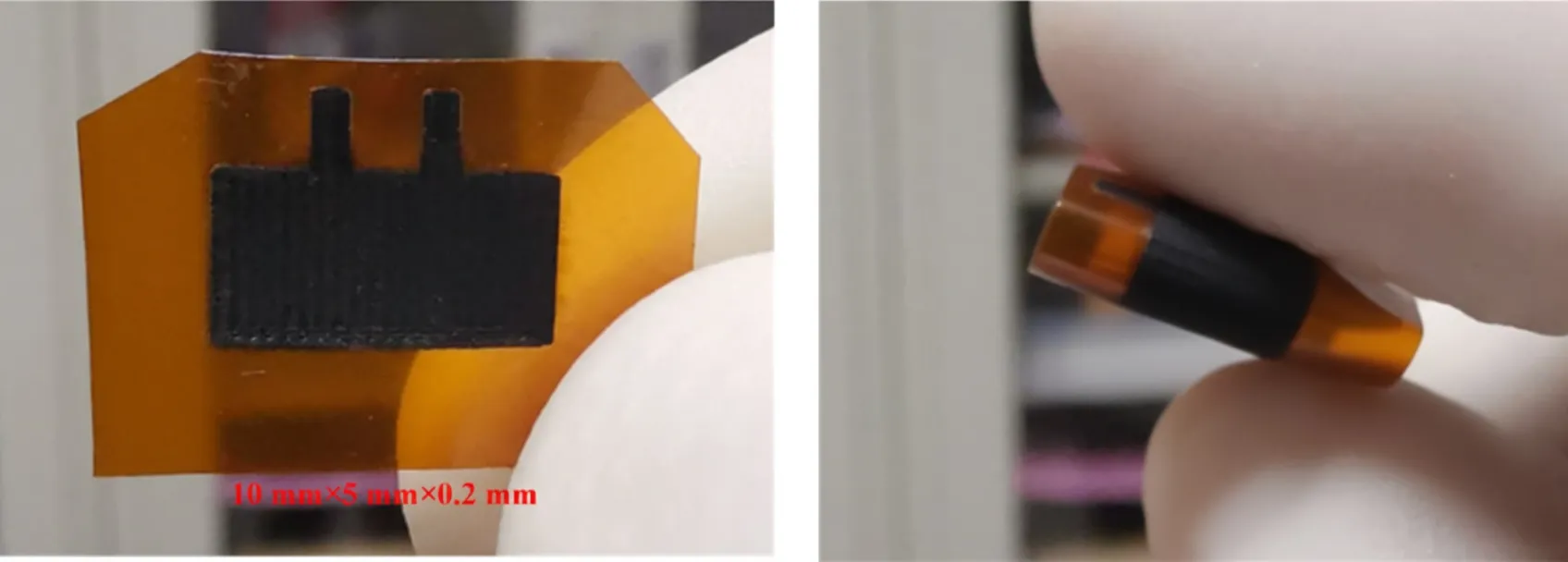
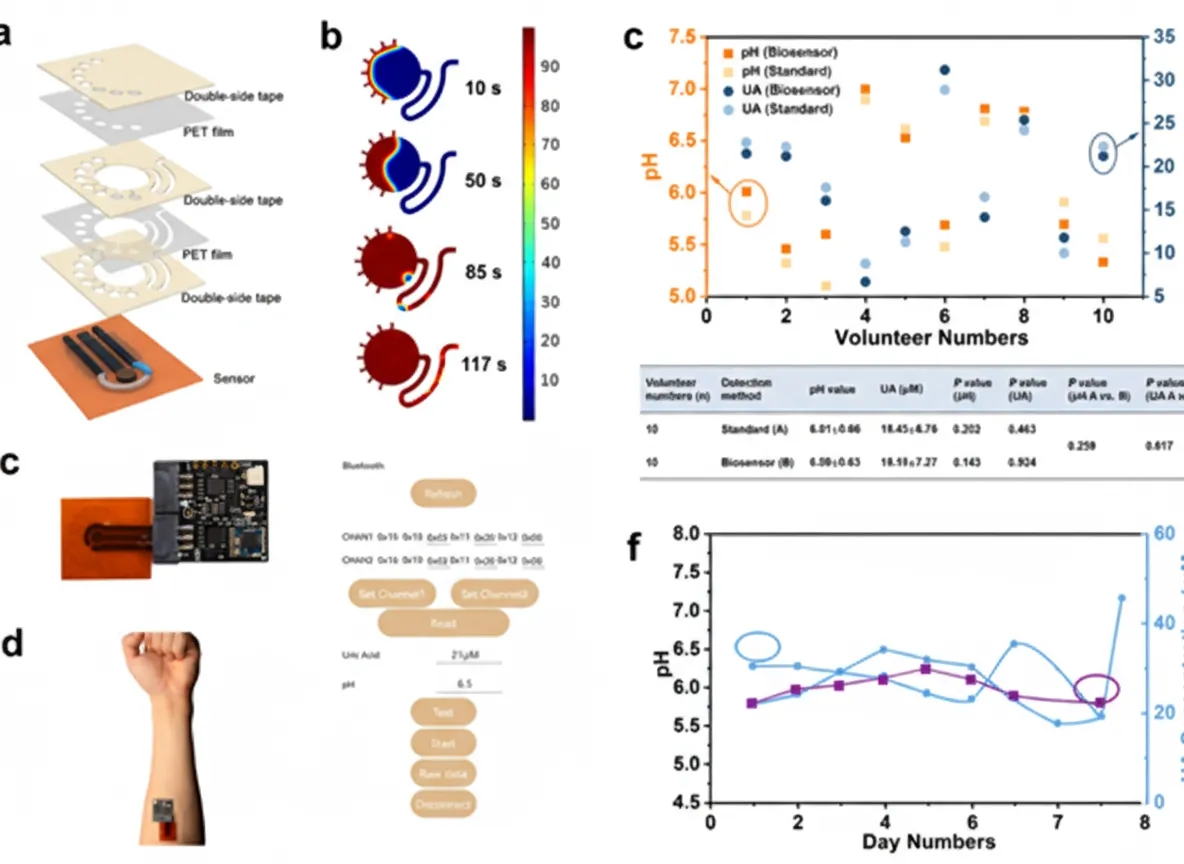
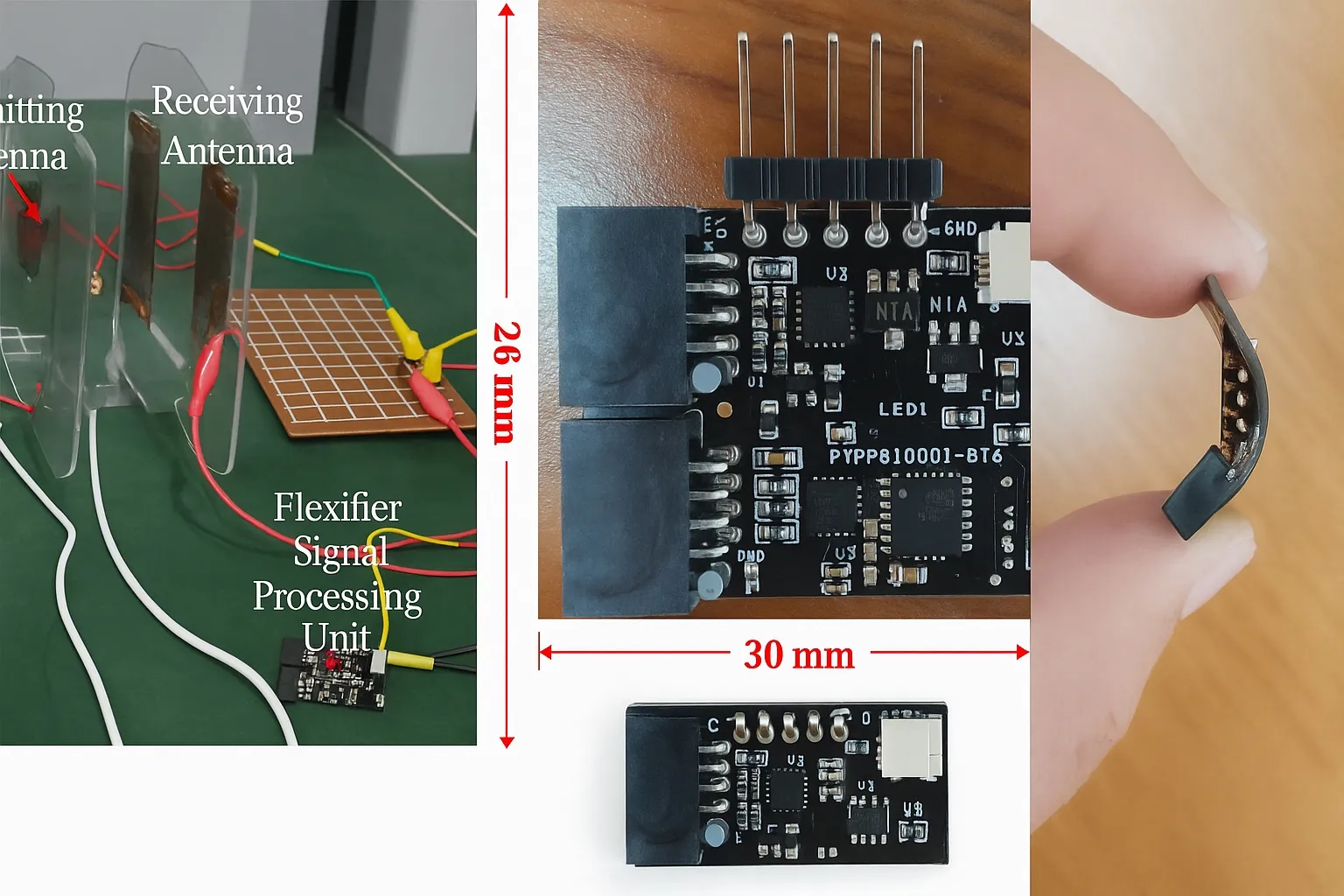
The project team fabricated flexible transmitter and receiver electrode plates from graphene conductive material for an electrostatic (field) coupling wireless power transfer system, forming a single-coupled capacitive structure. Using a single-wire, single-coupled-capacitor field-coupled wireless power transfer approach, the team achieved low-power wireless power transfer (power level: 100 mW) over a transfer distance of 20 cm, suitable for easily shaped power delivery to wearable electronics. Graphene material was also used to produce small-capacity supercapacitors for flexible energy storage. The technique has seen preliminary application in power supply for biosensors and flexible signal processing modules in wearable devices.
Key highlights
The study uses a flexible power transmitter that does not require magnetic components, which simplifies integration and makes the energy conversion mechanism more conformable. This approach reduces the complexity of the energy conversion structure and provides an alternative solution to the power-supply bottleneck for wearable electronics.
The research spans electrical engineering, biomedical engineering, materials science and engineering, and communications engineering. The results enable convenient and stable power delivery for wearable devices and have both scientific and practical value.
Prospects and applications
The results have been demonstrated for power supply to biosensors and flexible signal processing units in wearable devices. Future work aims to adapt the technology for implantable medical electronics to reduce the risk of repeat surgeries and the associated economic burden for patients. The approach can be extended to flexible electronic displays, flexible printed circuit boards, and sports equipment to meet integrated and flexible power requirements.
Contributors and research team
Yang Lei
Yang Lei is Assistant to the Dean and Director of Research at the School of Electrical Engineering, Xi'an University of Technology, and an IEEE Senior Member. He co-led a major project funded by the National Natural Science Foundation of China (as a subproject leader) and led projects funded by the National Natural Science Foundation of China for Young Scientists, the China Postdoctoral Science Foundation, the Shaanxi Provincial Natural Science Foundation for Basic Research, a first-class Shaanxi postdoctoral research grant, the Xi'an Association for Science and Technology talent support program, and industrial contracts, among more than ten projects. He received a second-class science and technology award from higher education institutions in Shaanxi. He has filed more than 20 invention patent applications (including one U.S. patent) with 10 granted patents; two patents have been transferred to industry. He serves on technical and youth committees of power supply and power electronics societies and is a peer reviewer for international journals including IEEE Transactions on Power Electronics.
He has published more than 30 papers in top journals and conferences such as IEEE Transactions on Power Electronics. He received support from a provincial innovation fund and has taken initial steps toward industrializing research outcomes.
The EECM2 collaborative innovation team at Xi'an University of Technology focuses on interdisciplinary research at the intersection of electrical engineering, biomedical engineering, artificial intelligence and big data, and materials science. Core team members come from institutions including Westlake University, Chongqing Medical University, Xi'an Jiaotong University, Nanjing University, Shenzhen Institutes of Advanced Technology (Chinese Academy of Sciences), and Xi'an University of Technology.