ALLPCB


Overview
The Energy Internet refers to the integrated application of advanced power electronics, information technology and intelligent management technologies to interconnect energy nodes—such as power networks composed of distributed energy harvesting devices, distributed energy storage devices, and various types of loads, as well as oil and natural gas networks—so as to enable bidirectional energy flow and peer-to-peer energy exchange and sharing.
In simple terms, the Energy Internet is analogous to the information Internet: all energy information (distributed generation, supply, consumption) can be interconnected through networks, receive timely feedback, and be selected and controlled according to demand.
Concept and Structure
The Energy Internet is based on the power grid and uses renewable energy technologies, smart grid technologies and Internet technologies to integrate power grids, natural gas networks, hydrogen energy networks and electrified transportation networks. This forms an interconnected network for efficient multi-energy utilization and multi-stakeholder participation, supporting the integration and utilization of high-penetration renewable energy.
The Energy Internet combines Internet technologies, renewable energy technologies and modern power systems, reflecting the convergence of information technology and energy technologies. Reconstructing the power system network based on openness, interconnectivity, peer-to-peer principles and sharing can improve grid security and generation efficiency, enabling information sharing within the Energy Internet to be as convenient as the Internet.
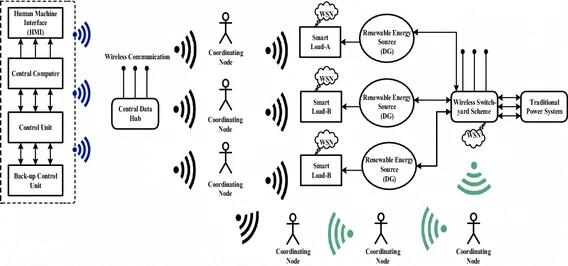
The Energy Internet centers on the power system and is based on the smart grid, prioritizing the integration of distributed renewable energy. Using advanced information and communication technologies and power electronics, distributed intelligent energy management systems (Intelligent EMS, IEMS) provide wide-area coordinated control of distributed energy devices to achieve complementary use of multiple energy forms (cooling, heating, gas, water, electricity) and improve energy efficiency.
Smart Grid Components and Applications
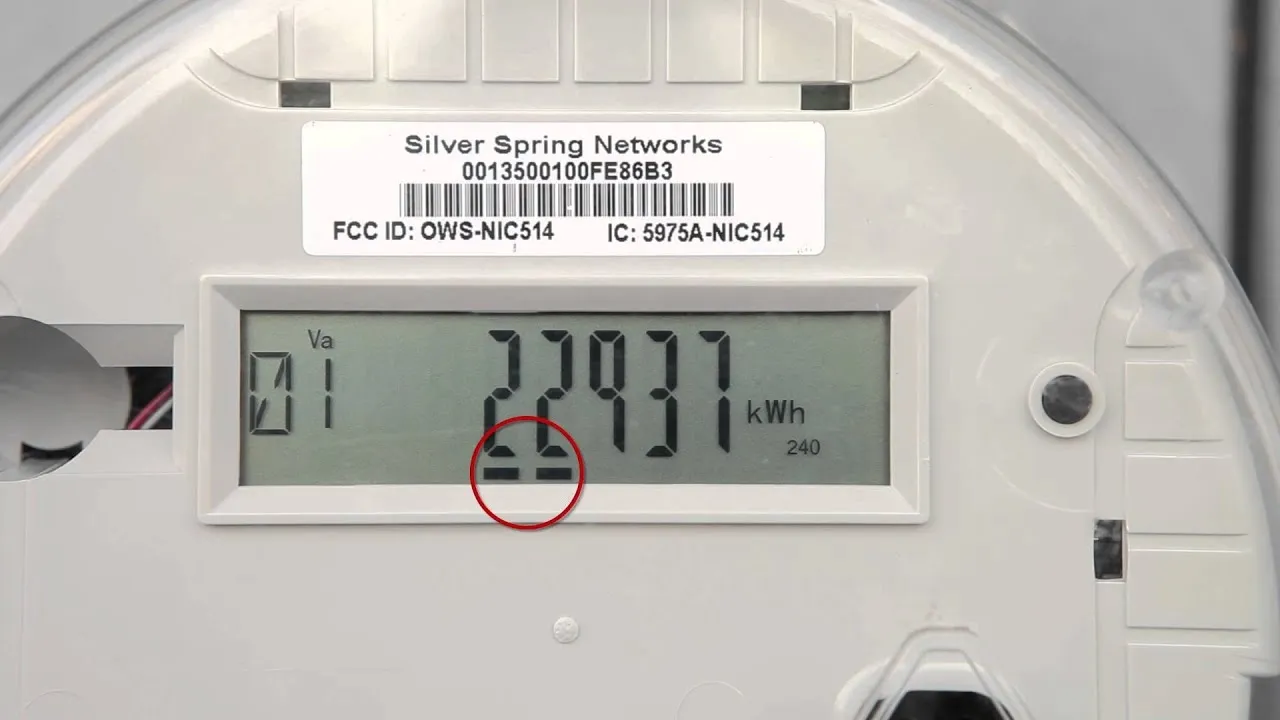
The smart grid comprises four components—AMI, ADO, ATO and AAM—each serving specific functions across metering, operation, and management.
Flexible AC transmission technologies (FACTS) play a role in smart grid applications by improving controllability and stability of transmission networks and facilitating integration of variable renewable generation.
Advanced Distribution Automation (ADA)
Advanced distribution automation (ADA) includes two main technical areas: advanced distribution operation automation and advanced distribution management automation.
Advanced DOA implements real-time functions such as distribution network security monitoring and data acquisition, feeder automation, voltage and reactive power control, and DER dispatch.
Advanced DMA uses geographic graphics as background information to record, edit, query and manage spatial and attribute data of distribution equipment and network topology. Based on this, advanced DMA supports applications with low or non-real-time requirements such as outage management, maintenance management, workflow management and management of mobile terminals (service vehicles).
ADA represents a revolution rather than merely an extension of traditional distribution automation. Applied within power exchange systems, ADA leverages new technologies in power electronics, information technology, distributed computing and simulation to offer new services to users.
Opportunities, Challenges and Responses for Smart Grid Development in China
The construction of smart grids requires policy and technical support. The following summarizes opportunities, challenges and potential responses for smart grid development in China.
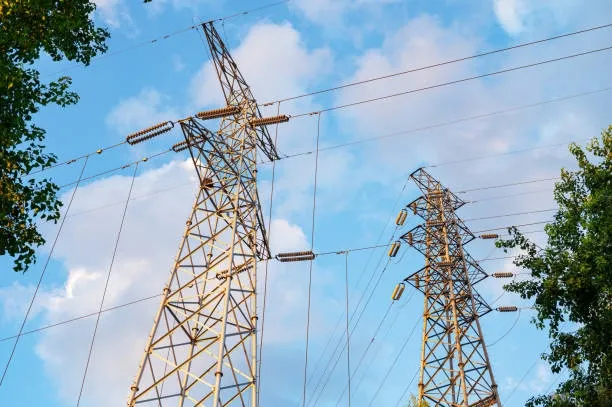
China is geographically vast: coastal regions are economically developed and load-dense but energy-poor, while inland regions are energy-rich but less developed economically. Therefore China must build a smart grid with a highly coordinated multi-level network that uses an ultra-high-voltage backbone.
Research projects such as the national basic research program "Improving the Operational Reliability of Large Interconnected Power Grids" provide analytical tools for dynamic dispatch and control of smart grids. Wind and photovoltaic generation are also developing rapidly. Some regions in China are preparing to plan and construct digital substations and advanced dispatch centers; these developments provide a foundation for building a resilient smart grid in China.
Challenges
1. Industry-level technological competition: Many Western countries entered the final stages of power system upgrades earlier in the century. For example, the United States shifted focus to integration of smart grid and electronic monitoring by the end of the last century while actively developing renewable resources such as wind, solar and geothermal energy.
2. Gaps in equipment compatibility and adaptability: Although China has absorbed international power system experience, its power infrastructure still requires modernization. Technological advances have not always been matched by timely infrastructure upgrades, resulting in persistent gaps in equipment and technology coordination.
3. Adaptation to broader technological trends: Modern smart grids are computer- and electronic-controlled systems, whereas traditional control sources have been largely electromechanical. The widespread deployment of smart grids in China must address integration and transition issues between electromechanical control and modern computer-based control systems, which poses a challenge for grid development.
Countermeasures
1. Improve the reliability of power communication platforms: In a modern smart grid, the communication platform is not merely a transmission channel but an integral component that links subsystems and ensures reliable operation.
2. Strengthen information and communication support networks: When distribution or other grid functions encounter issues, timely information exchange and robust communication capabilities enable control centers to obtain detailed, up-to-date status of grid elements and respond accordingly.
3. Emphasize industrialized technical improvements: Current smart grid requirements place high demands on standard communication networks. Raising the overall technical level of the power network through industry-wide technical improvements supports the needs of a modern economy and provides a more reliable energy infrastructure.