ALLPCB


What is EMI multistage filtering
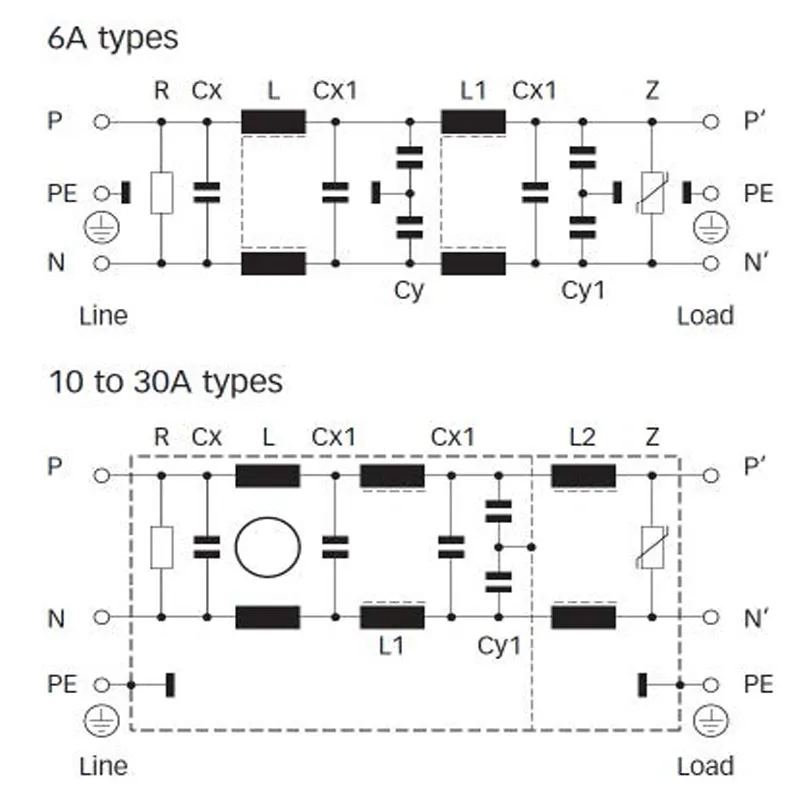
EMI (electromagnetic interference) multistage filtering is a common technique to reduce electromagnetic interference between electronic devices. It uses multiple filter stages to attenuate interference across different frequency ranges.
Benefits of multistage EMI filtering
- Attenuation across a wide band: Different filter stages can target interference in different frequency ranges, reducing EMI across a broad spectrum.
- Higher suppression performance: Multiple stages can provide greater overall attenuation, reducing the propagation and impact of interference signals.
- Flexibility and tunability: Filter stages and parameters can be adjusted to meet specific environmental and application requirements.
Limitations
- Cost and complexity: Implementing multistage filtering often requires additional components and more complex circuit design, increasing cost and design effort.
- Efficiency loss: Additional filter stages introduce insertion loss and latency, which can affect system performance and efficiency.
Practical considerations
Multistage EMI filtering can provide effective suppression of electromagnetic interference, but practical deployment requires balancing cost, complexity, and performance requirements. Evaluate the advantages and limitations within the target application and choose a filtering approach that fits the system constraints.
Role of EMI filters in audio systems
In audio systems, EMI filters reduce or eliminate electromagnetic interference from power lines or nearby electronic equipment that can affect audio signals. Interference may originate from other electronic devices, radio signals, transmission lines, or power supply noise.
EMI filters typically use inductors, capacitors, and impedance-matching networks to suppress unwanted signals. The goal is to remove interference so that the audio signal passes more cleanly, improving perceived audio quality.
Specific functions in audio systems
- Suppress high-frequency noise: EMI filters reduce high-frequency interference from radio signals, power-line noise, or other electronic sources, lowering electromagnetic emissions and audible artifacts to improve signal-to-noise ratio.
- Reduce power-supply noise: Power lines can carry noise such as switching power-supply interference. EMI filters attenuate these disturbances to provide cleaner power to audio equipment.
- Minimize mutual interference: EMI filters help prevent devices within an audio system from interfering with each other, improving overall system stability and performance.
Consequences of removing EMI filters
- Increased electromagnetic interference: Without EMI filters, audio systems are more susceptible to external EMI from power lines, radio signals, and nearby electronics, which can introduce hum, hiss, or distortion.
- Lower signal-to-noise ratio: Removing filters may increase background noise, reducing the signal-to-noise ratio and degrading clarity and accuracy of audio reproduction.
- Stability issues: EMI filters help suppress power-supply noise and transients. Removing them can allow noise and fluctuations to propagate into audio circuitry, potentially causing instability, interference, or malfunction.
- Greater mutual interference: Without filtering, devices in the same system can more easily interfere with each other, degrading overall system performance and reliability.
Conclusion
Removing EMI filters can lead to increased interference, reduced signal-to-noise ratio, stability problems, and greater mutual interference between devices. Retaining and properly designing EMI filtering is generally advisable to ensure stable operation and better audio performance within system constraints.