ALLPCB


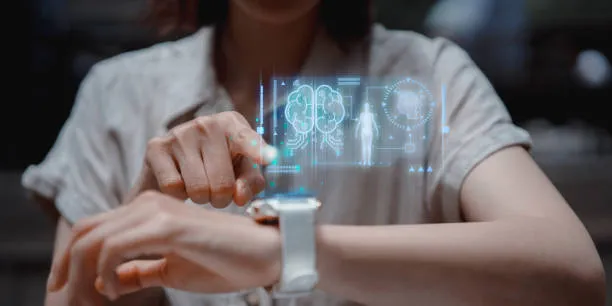
At some point, "wearable" became one of the perceived end forms of many products. Whatever the device or function, the idea is to integrate it into a strap or a ring and wear it on the wrist. Everyday tasks are expected to be solved by glancing at or interacting with a wrist-worn device.
Are we wearing just a device, or is it becoming an extension of our lives?
1. Screen
High-fashion brands have introduced bags with built-in screens, which can feel a little out of place. Some people joked about using them to display ads. Researchers in Japan have developed highly elastic skin displays that can adhere to skin and show simple characters. Complex advertising may not be feasible yet, but basic logos or simple visuals are possible.
2. Mouse
The mouse revolutionized desktop interaction, and people have continually pursued easier input methods: wired mice, then wireless and Bluetooth mice, then touchpads. The desire to reduce friction led to gesture-based devices such as Gest. It looks a bit like a rehabilitation tool. Built-in flexible motion sensors capture finger movements and analyze them to recognize hand gestures, allowing custom gestures to trigger specific actions.
3. Keyboard
If the mouse has become "airborne," the keyboard as the primary input device is not far behind. Concepts like AirType have proposed a Bluetooth-connected, motion-capture input device that you can carry like a bookmark or clip. The challenge is key recognition; projecting a keyboard image onto skin undermines the idea, and that difficulty keeps many concepts in the prototype stage. A different approach produced a keyboard integrated into jeans, which aligns with habitual typing positions and provides tangible feedback, but high price and mediocre user experience have limited adoption.
4. Light
Wearable lighting designs include garments with detachable lights. One example uses thin leather housing and embedded magnets so the lamp can clip to clothing edges or bags. Variants offer colored lighting, and chaining multiple units can produce decorative effects such as simulated rainbow tones.
5. Personal massagers
Some personal massagers have been designed with discreet aesthetics so they can be carried or worn like jewelry. Minimalist shapes, USB charging, and customizable engraving let the device be presented as an everyday accessory, making it less conspicuous when worn outside the home.
6. Power generation
Most wearable devices require power. One response is garments with integrated solar panels. Designs exist that incorporate photovoltaic cells into clothing to harvest sunlight for charging. Practical use depends on being exposed to sufficient sunlight, and trade-offs include comfort and the need to manage cables and connectors.
7. Notebooks
There are low-tech wearables as well. For example, a wristband designed for note-taking lets you write on it with almost any pen. The ink remains legible even after washing if you avoid rubbing it hard. Simple, nonpowered devices can be versatile and reliable in many scenarios.
8. Edible scents and snack-inspired accessories
Wearable snack concepts date back to novelty ring candy. Recent projects use 3D printing to create ring-shaped models of favorite snacks and fruits. Some studios have added natural aromas to jewelry or earrings using herbal, citrus, or cherry-scented materials so the wearer can smell a food-like scent without it being edible.
9. Jewelry
Jewelry naturally belongs on the body, but some designs experiment with unusual materials. One studio has produced jewelry made from concrete as an exploration of the material. The claim is that concrete jewelry can last for centuries, but traditional metals and gemstones already offer long lifespans, so the choice of concrete is primarily an aesthetic and conceptual statement.
10. Thermal comfort device
Portable fans have been around for a while, but newer wearable thermal devices aim to give localized sensations of cooling or warmth. A wrist-worn device can let the wearer shift perceived comfort by swiping on a small touch strip, providing an on-demand thermal effect that can influence whole-body comfort.
11. Projector
There are wristbands that project a smartphone-like interface onto the forearm. The device detects finger movements and interprets taps, swipes, and pinch gestures to control apps such as games, maps, or phone calls. The concept relies on sensors that track finger position and gesture to generate corresponding actions.
I may have placed high expectations on what a wrist-worn ring should do, hoping it can handle more and more tasks. Personally, I do not reject the idea. If a wrist device could cover most daily needs, it would be a meaningful development.