ALLPCB


Introduction
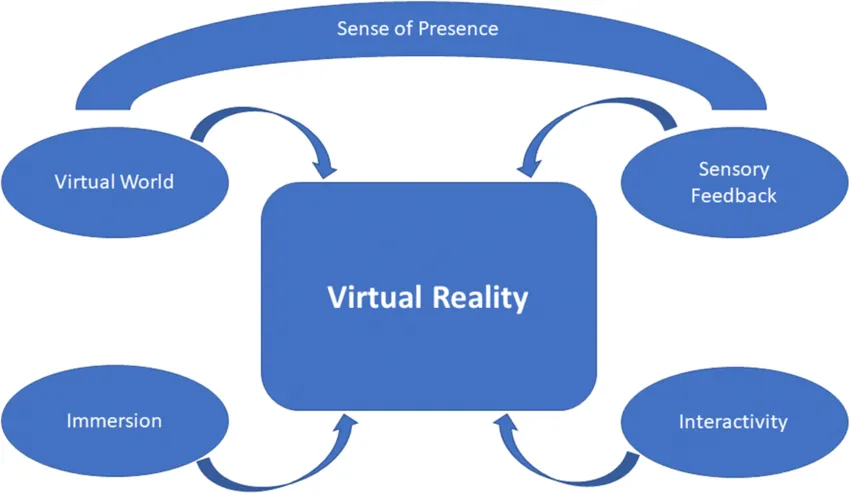
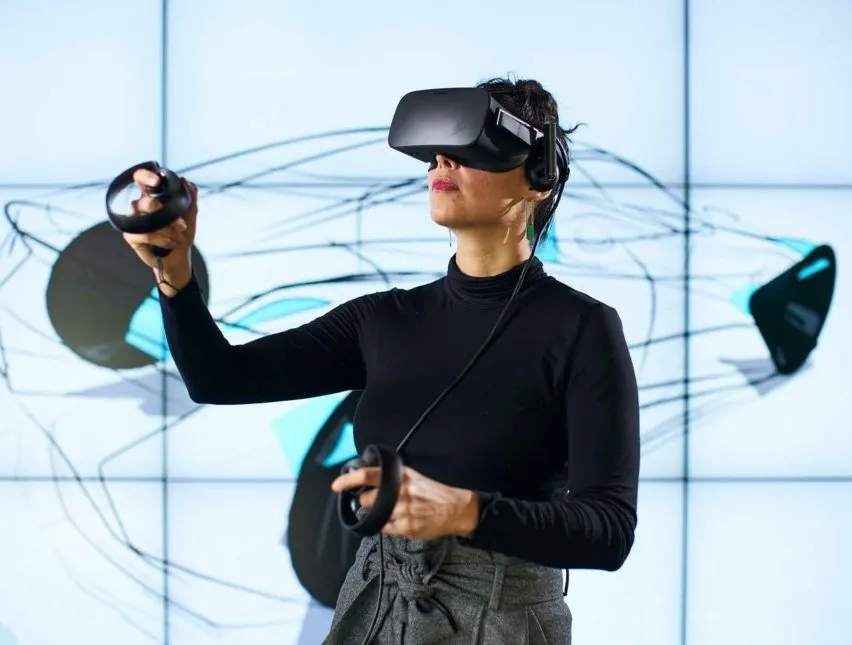
Virtual reality is an emerging information interaction technology. In recent years it has developed and matured, and has been applied across many fields, enhancing users' perceptual experience. VR combines computer simulation, intelligent sensors, and graphics display technologies to create virtual spaces that mimic human perception, providing immersive experiences. This article summarizes the basic principles and current status of VR technology and outlines four major future trends.
1. Basic Principles of VR Devices
VR is used across many industries, with common applications in areas such as real estate virtual tours. In real estate, VR can streamline approvals and reduce communication costs, improving work efficiency. Developers capture images or video segments within a virtual tour to produce marketing materials. Customers immersed in a high-fidelity virtual property can experience spaces as if physically present, which helps facilitate transactions with lower cost and higher efficiency. Studies show that virtual property tours using VR can increase visit and purchase rates by more than 30%. VR has also been showcased at major international events such as the Olympics and the World Expo, where China's VR technology received recognition both in China and internationally. Other widespread applications include virtual showrooms, vehicle driving simulations, spatial layout and design demonstrations, and film visual effects.
2. VR Technology and Its Current Status
1. Basic concept of VR
Also called virtual reality, VR first appeared in the United States. In the early 1980s Jaron Lanier from VPL first proposed VR. Virtual reality integrates computer graphics systems with various real-world interfaces and control devices to generate interactive three-dimensional environments on a computer that provide users with simulated sensory immersion across vision, hearing, smell, taste, and touch. VR is widely applied in fields such as computer graphics, networking, and distributed computing. Applications include networked video conferencing and support for new product development. VR's low cost, high efficiency, and high transmission speed have driven interest from China and many other countries.
2. Characteristics of virtual reality
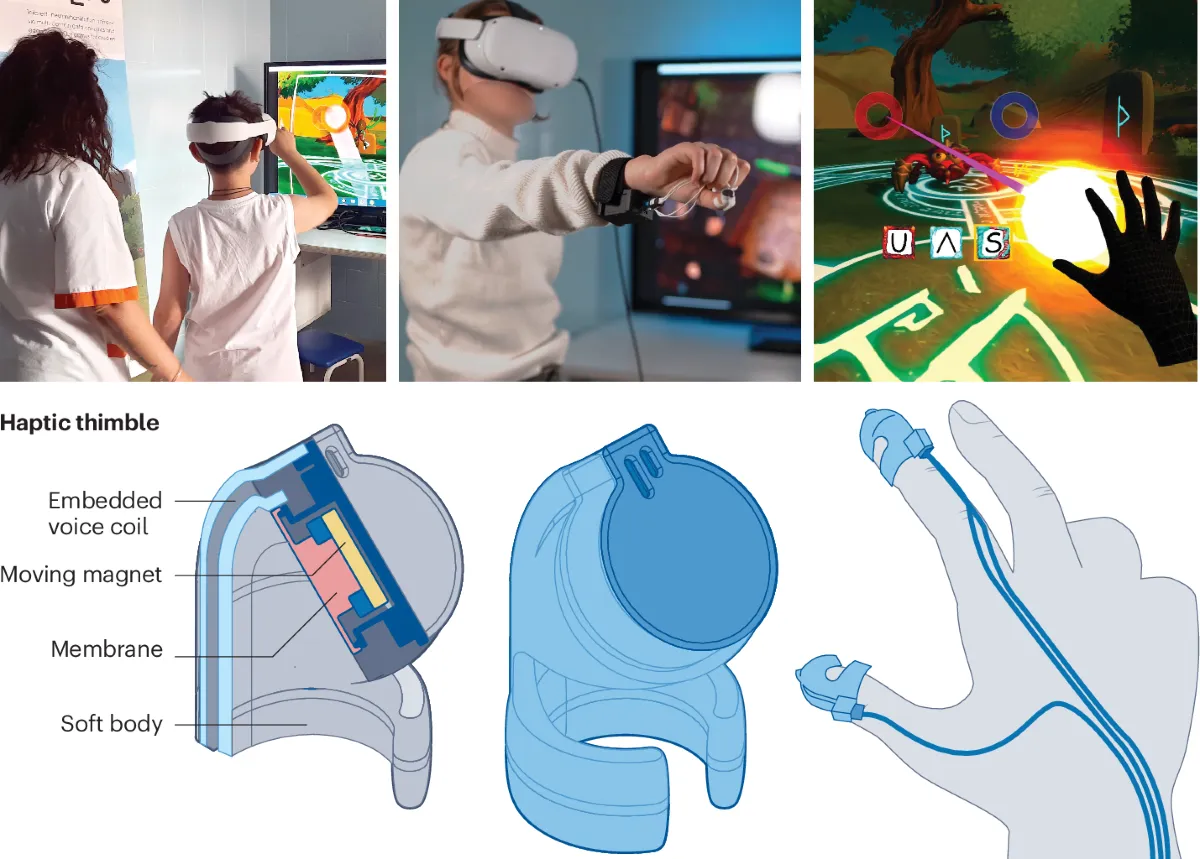
Multi-sensory: Refers to simulation of visual, force, touch, motion, taste, and smell systems. Ideally VR would fully replicate all human senses, but current technology generally simulates vision, force, touch, and motion more effectively than taste or smell.
Interactivity: When a person is in a virtual world, they can interact similarly to the real world by touching or using objects and perceiving attributes such as weight, shape, and color.
Imaginative capability: Users can realize imagined objects and scenarios within the virtual world, including situations that are impossible in the real world.
3. Current status of VR development
(1) United States
Because VR originated in the US, major VR research institutions are based there. NASA's Ames Research Center played a leading role in VR development. US labs began foundational research in spatial information in the 1980s, establishing virtual visual environment projects and virtual interface groups. Current US research includes virtual planetary exploration, using virtual technology to support studies of distant planets. Industry examples include Boeing, which used VR-based, paperless design processes in the development of the Boeing 777 to streamline manufacturing workflows.
(2) Europe
In Europe, UK companies have contributed to standardizing VR applications and designed advanced environment editing languages for VR. Different editing languages lead to different operational models, so systems like DVS enable VR to exhibit different capabilities depending on workflow. The UK has been prominent in research on VR processing and auxiliary device design.
(3) VR development in China
Compared with developed countries, China has lagged in the duration and outcomes of VR research. As computing and related technologies have advanced rapidly, interest in virtual reality across industries has deepened, and VR research in the Chinese market has expanded. Under directives from national science and defense-related agencies, VR has become a core research area and has received support from major research institutes and universities. For example, Beijing University of Aeronautics and Astronautics was an early participant in VR research, focusing on three-dimensional dynamic databases, distributed virtual environments, and object feature processing in VR systems.
4. Application domains of VR
Since its inception, VR has been applied in an increasing number of industries. In medicine, VR is used for simulated surgeries to improve real-world surgical success rates and patient safety. VR is also used in military, science and technology, commerce, architecture, entertainment, and everyday life.
3. Prospects and Four Future Trends for VR
As virtual reality content becomes richer and business models diversify, VR is expected to become more mainstream. The industry is converging around several notable trends.
1. More 360-degree panoramic content
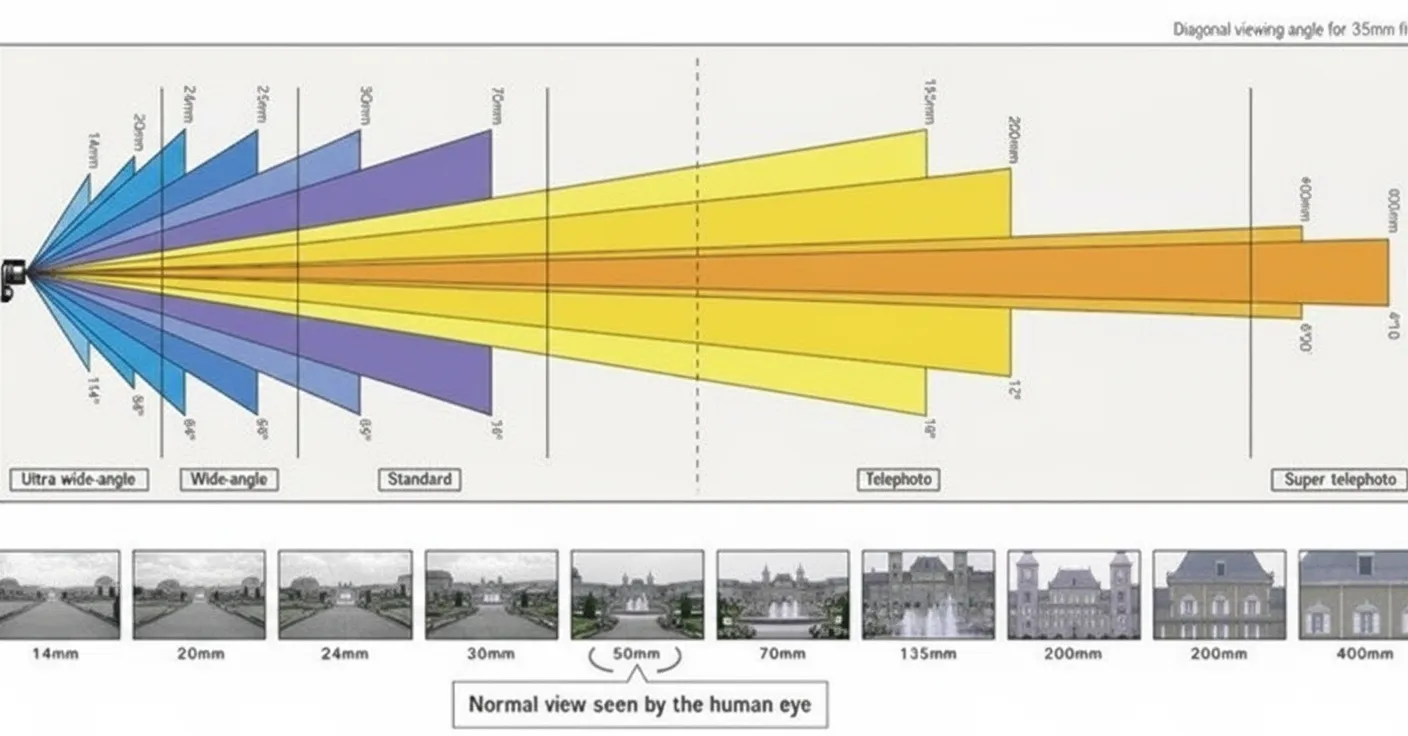
360-degree content tends to attract more attention than conventional video, based on analyses of click-through and engagement across many campaigns. VR provides immersive realism, so industries such as real estate, apparel, and interior design are using it. Many vendors already use 360-degree video for promotion, and more 360-degree VR content is likely to appear.
2. Greater use of VR in advertising
Examples have increased recently: Google produced VR ads, and automotive brands have offered 360-degree VR driving experiences. Such VR marketing initiatives are expected to become more common and to support broader VR adoption.
3. More immersive sensory experiences
Advances in audio capture, such as using omnidirectional microphones to capture full 360-degree sound, can produce more realistic audio and thus more convincing immersion. As virtual experiences become more realistic, the gap between virtual and physical experiences will narrow.
4. Improved usability and lower cost
Both software and hardware must be accessible for VR to reach mainstream users. High-end devices remain costly for many users, but trends indicate progressive price adjustments and increased product openness, which should make VR products more affordable over time.
Conclusion
The VR industry is maturing and is likely to see continued growth and broader application. Current trends point to increasing availability of panoramic content, rising use of VR in advertising, more immersive sensory technologies, and improving affordability and usability, all of which suggest ongoing development and wider adoption of VR technology.