ALLPCB


Overview
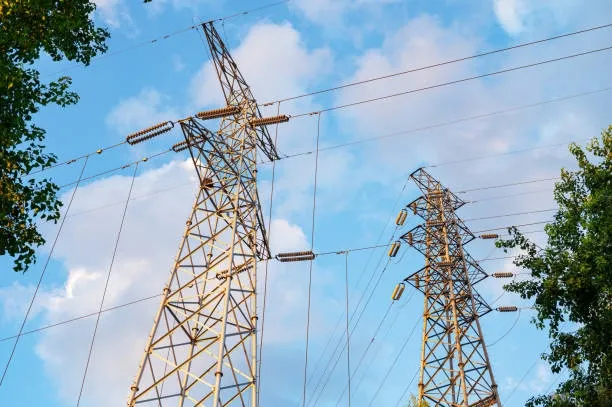
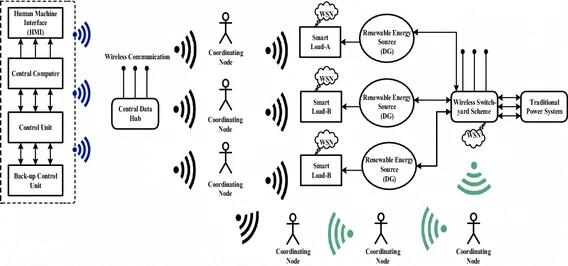
Smart grid technology refers to a power grid system that integrates renewable energy development and utilization, power monitoring and dispatch, intelligent power management, and energy Internet integration. This technology addresses the energy needs of modern cities. To make power generation, transmission, and consumption more transparent and efficient, the grid must be upgraded by introducing an IT-based operating system for intelligent control.
Key application areas
- Development and utilization of renewable energy: Smart grids can better integrate renewable energy sources such as solar, wind, and hydro, balance supply and demand across different forms of renewables, and deliver energy where it is needed.
- Monitoring and control of power systems: Smart grids enable real-time monitoring of power system operation, adjustment of supply and energy storage, and use of advanced control and coordination algorithms to ensure stable and efficient system operation.
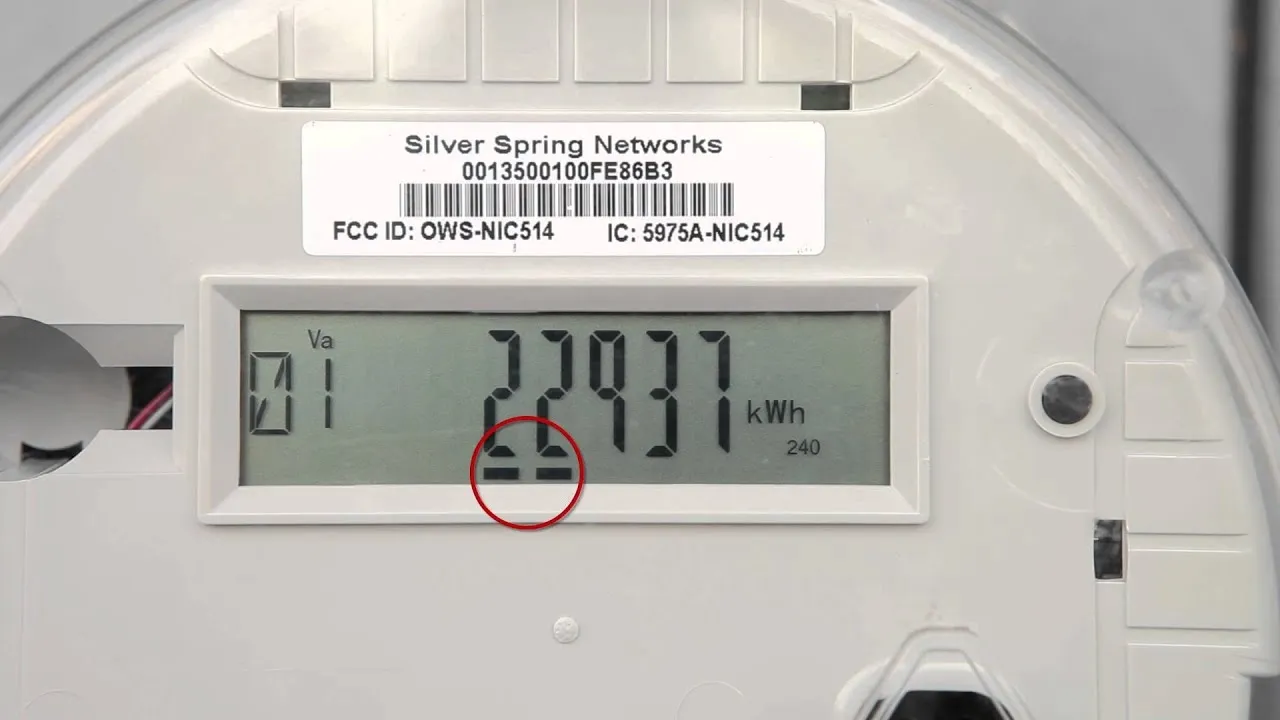
- Energy management and billing: Smart grids help users control energy consumption more effectively and support personalized billing schemes based on usage. They also optimize energy allocation and utilization through market mechanisms and supply-demand relationships.
- Building and energy system automation: Smart grids can control and automate building power systems to improve energy efficiency and conservation. Examples include smart lighting, intelligent temperature control, and smart home systems, which enable more efficient residential and industrial energy use.
- Electric vehicle charging and dynamic load balancing: Smart grids can monitor and control electric vehicle charging demand in real time and perform dynamic load balancing to achieve a more efficient and reliable power system.
Grid development context and examples
Regarding grid development, power demand in many countries is approaching saturation. After years of rapid expansion, grid architectures have become increasingly stable and mature, with relatively ample transmission and distribution capacity.
Germany launched the E-Energy program with a total investment of 140 million euros. From 2009 to 2012, pilot smart grid experiments were conducted at six sites nationwide. The program also included pilot projects for wind power and electric vehicles, and studies on Internet-managed electricity consumption. Companies such as Siemens, SAP, and Swiss ABB participated in the program. Siemens estimated a smart grid market size of 30 billion euros in 2014 and planned to capture a 20% market share, aiming for 6 billion euros in annual orders.
Conclusion
Smart grid applications are broad, covering renewable energy integration, power system regulation and control, energy management and billing, building and energy system automation, and electric vehicle charging. With ongoing technological innovation and deployment, smart grids are expected to expand into additional areas and further support energy system development.